



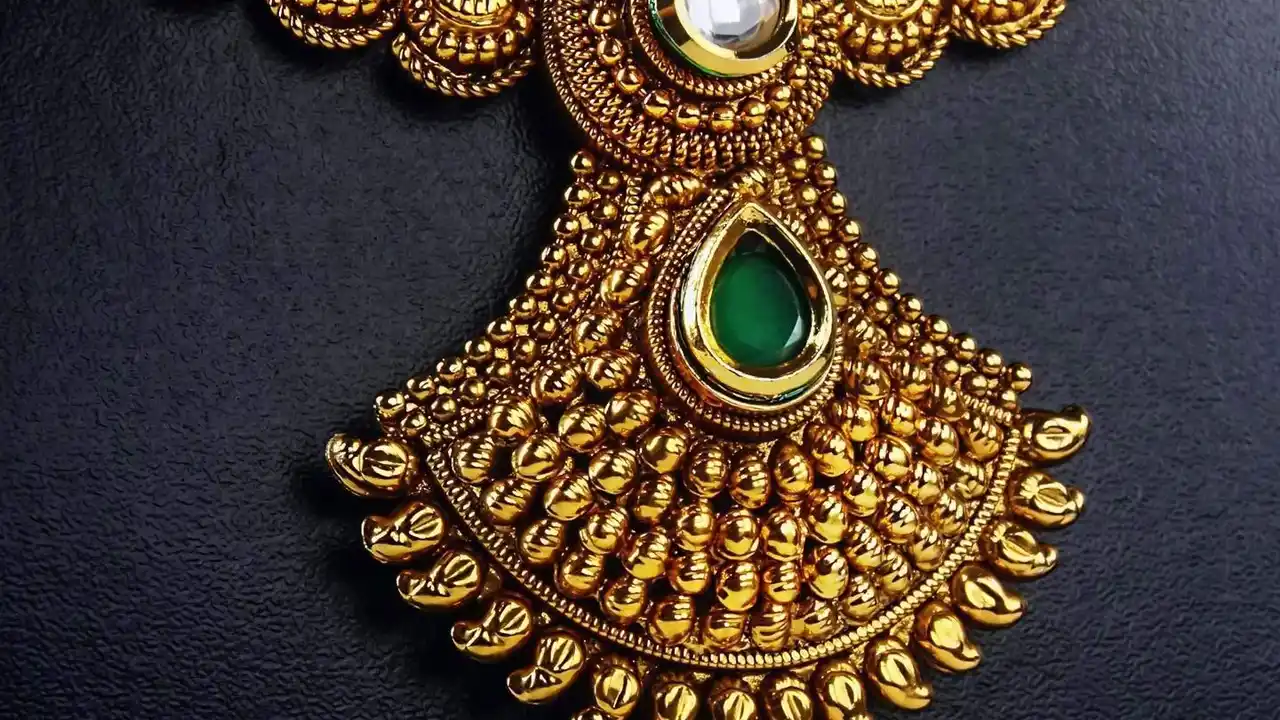


The First Step: Valuation
The gold exchange process begins the moment you present your old jewellery to a jeweller. The first and most crucial step is determining its value. A reputable jeweller will conduct this process transparently. They will first test the purity of your gold,
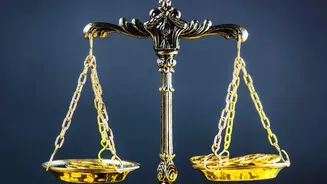
usually in your presence. This is done using a Karatmeter or an X-Ray Fluorescence (XRF) machine, which accurately assesses the gold's purity (karatage) without damaging the item. Next, the item is weighed. It's important to note that this is the net weight of the gold. Any stones, gems, enamel, or wax fillings in traditional pieces will be removed or their weight will be estimated and deducted. The final gross value is then calculated using a simple formula: the net weight of the gold multiplied by its purity, multiplied by the day's prevailing gold rate.
Understanding Common Deductions
The gross value calculated is not the final amount you receive. Jewellers apply certain deductions to arrive at the net exchange value. One common deduction is for melting or refining charges, which typically range from 1% to 3%. This cost covers the process of melting the old jewellery down and purifying it into raw gold. If your jewellery is not hallmarked, some jewellers may also apply a 'wastage' deduction, arguing that some gold is lost during the melting process. However, it's worth noting that the original making charges you paid when you first bought the piece are not refunded during an exchange. These charges covered the craftsmanship and design, which are not part of the gold's intrinsic metal value.
The Power of a Hallmark
A hallmark from the Bureau of Indian Standards (BIS) acts as a certificate of purity and significantly streamlines the exchange process. When your jewellery is hallmarked, it provides the jeweller with a clear and trusted indication of its karatage, reducing uncertainty and often leading to a faster, more transparent valuation. While a jeweller will still likely perform a verification test, hallmarked gold generally inspires more confidence and can result in a better valuation with fewer questions asked. Non-hallmarked gold can still be exchanged, but it requires more thorough testing by the buyer, which might lead to more conservative pricing. Though you can legally sell non-hallmarked gold, having the certification provides a clear advantage.
Exchanging for Jewellery vs. Selling for Cash
When you decide to part with your old gold, you generally have two options: exchange it for new jewellery at the same store or sell it for cash. Most large, organised jewellers encourage an exchange. The value of your old gold is credited against the purchase of a new item, and you pay the difference. When you buy the new piece, Goods and Services Tax (GST) is applied to the new jewellery's total value, including making charges. Selling for cash is also an option, but some jewellers may offer a slightly lower rate for cash sales compared to an exchange, as the exchange model keeps the business within their store. Policies vary, so it is always best to clarify this with the jeweller beforehand.
Tips for a Smart and Fair Exchange
To ensure you get the best possible value, a little preparation goes a long way. First, have a rough idea of your jewellery's weight and purity before you go to the store. If you have the original purchase invoice, keep it handy, as it contains these details. Don't hesitate to get quotes from two or three different reputable jewellers to compare offers. Always insist that purity testing and weighing are done in your presence. Ask for a detailed, itemised receipt that clearly shows the gross weight, net gold weight, purity assessment, the gold rate applied, and a breakdown of all deductions. Understanding these components empowers you to ask the right questions and confidently complete the transaction, knowing you’ve received a fair value for your precious metal.