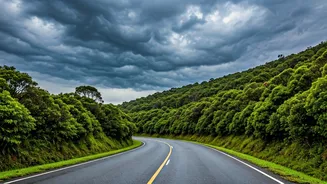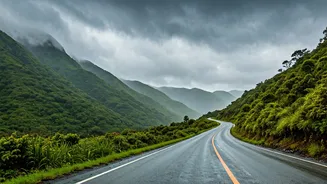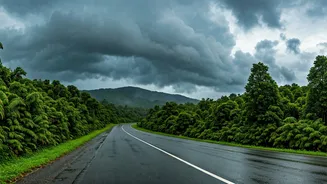






The Breaking Point on Treacherous Roads
The demand for stringent safety measures is not new, but it has reached a fever pitch following a series of recent accidents. In April, a private bus carrying tourists from Andhra Pradesh overturned on the winding Charmadi Ghat, injuring over 15 passengers.
Just this month, a vehicle carrying police officials on an investigation also met with an accident on the same treacherous stretch, highlighting that no one is immune to the dangers. These incidents are stark reminders of the risks involved in traversing the ghat sections that connect these popular hill stations to the plains. Locals and frequent travellers report that navigating these routes, especially during the monsoon season, has become a life-threatening gamble due to a combination of poor road conditions and reckless driving.
A Perfect Storm of Risks
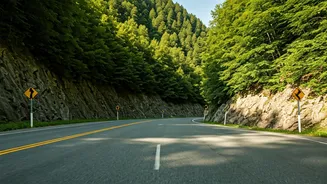
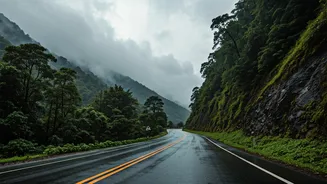
The roads leading to Coorg and Sakleshpur, particularly the Shiradi and Charmadi ghats, are a cocktail of hazards. These narrow, two-lane highways were not designed to handle the current volume of traffic, which has exploded with the tourism boom. Drivers must contend with numerous blind curves, steep gradients, and a road surface often riddled with potholes. The monsoon season, which brings heavy rainfall to the Western Ghats, exacerbates these issues, causing slippery conditions and frequent landslides that can shut down the highway for hours or even days. Authorities often issue advisories during this period, but for residents and commercial transporters, these routes are unavoidable economic lifelines. The unscientific cutting of hillsides for road-widening projects has also been blamed for increasing the vulnerability to landslips.
Overtourism and Strained Infrastructure
At the heart of the problem is the immense pressure of overtourism on infrastructure that has failed to keep pace. Coorg and Sakleshpur have transformed from quiet getaways into year-round destinations, attracting millions of visitors annually. This surge places enormous strain on local resources, from water supply to waste management, but the most visible impact is on the roads. The sheer number of tourist vehicles, coupled with heavy commercial trucks, creates constant congestion and accelerates the wear and tear of the asphalt. This issue is not unique to these locations; it's a growing crisis across India's hill stations, where the carrying capacity of the local environment and infrastructure is often ignored in the pursuit of tourism revenue.
The Demands and Official Response
In response to the growing danger, local communities, including resident associations and hospitality business owners, are demanding concrete action. Their calls are not just for patchwork repairs but for a comprehensive safety overhaul. The key demands include establishing permanent police outposts to enforce traffic discipline, conducting regular checks for drunk driving and vehicle fitness at the entrance to the ghats, and undertaking durable, high-quality road repairs instead of temporary fixes. While officials have acknowledged the problems, the response has often been limited to promises of floating new tenders for repair work or temporary increases in patrolling. This has led to widespread skepticism among the populace, who have heard similar assurances for years.