






The Second Half Forecast: A Weaker Monsoon
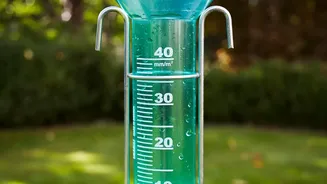
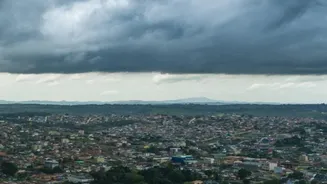
The IMD has predicted that rainfall for the August-September period is likely to be below normal, meaning less than 94% of the Long Period Average (LPA). This outlook applies to the country as a whole, though some pockets in peninsular, central, and northeast
India might still see normal to above-normal rain. The forecast for August specifically also points towards a deficit. This is significant because the second half of the monsoon is crucial for topping up water bodies that supply the nation through the long dry season. The prediction is influenced by strengthening El Niño conditions in the Pacific Ocean, a phenomenon often linked with weaker monsoon rains in India.
Why Reservoirs Are the Real Story
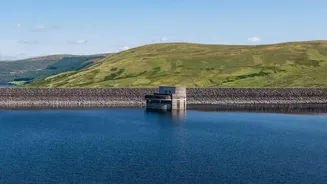
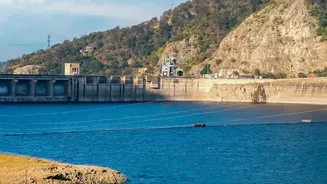
A monsoon forecast is more than just a weather report; it's a direct indicator of our future water security. India's network of reservoirs acts as the country's savings account for water. These massive dams capture rainwater, which is then used for drinking water supply, agriculture, and generating hydroelectricity. When the monsoon underperforms, especially in the latter half, these reservoirs don't get the replenishment they need. This directly impacts urban water supply schedules, the availability of water for irrigating winter crops, and even electricity production. Therefore, tracking the live storage in the reservoir closest to you provides a tangible measure of the monsoon's real-world impact.
The Current State of India's Dams
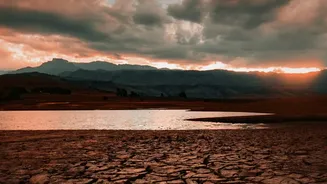
Even before this forecast, the situation in many of India's major reservoirs was concerning. According to the latest data from the Central Water Commission (CWC) released around the end of July 2026, the collective storage in 166 major reservoirs was at 44% of their total capacity. This is significantly lower than the storage level during the same period last year. The situation is particularly acute in South India, where reservoir levels were reported to be at just 34% of capacity. While July rains brought some relief after a dry June, they were not enough to erase the deficit, especially in southern and central regions. A weak performance in August and September would further strain these already depleted resources.
What Lower Levels Mean for Households
For households, the direct consequence of low reservoir levels is a strain on municipal water supplies. Urban local bodies may be forced to announce water cuts, reducing the frequency and duration of supply to conserve what's left. This can lead to an increased reliance on private water tankers, driving up monthly expenses for many families. It also puts a premium on water conservation. Simple measures like fixing leaks, using water-efficient appliances, and being mindful of daily usage become critical not just for saving money, but for ensuring the community's water supply lasts until the next monsoon. A weak monsoon can also contribute to higher food prices, as lower water availability impacts agricultural output for staples like vegetables and pulses.
A Note for Travellers
The monsoon forecast is also a key piece of information for anyone planning travel within India in the coming months. While the lush greenery of the monsoon is a major draw, water scarcity can impact the travel experience. Before booking, it's wise to check the local water situation at your intended destination, especially if you are heading to regions known for being rain-shadowed or historically water-stressed. Hotels might have restrictions on water usage, and in extreme cases, local activities could be curtailed. Always check the latest weather advisories, as a weak monsoon doesn't rule out the possibility of short, intense bursts of rain that can cause localised flooding or travel disruptions.