


Master the Thorough Drying Routine
This is the most critical step in preventing fungal growth. Damp fur, especially in a humid climate, is an open invitation for yeast and other fungi to multiply. After every single walk, even if it wasn't raining, you must dry your dog thoroughly. Use
an absorbent towel and pay special attention to areas that trap moisture: between the paw pads, under the belly, in the armpits, and around the ears. For dogs with thick or double coats, a towel often isn't enough. Use a pet-safe blow dryer on a low, cool setting to ensure the undercoat is completely dry right down to the skin. Never let your dog air-dry, as this creates the exact warm, moist environment that fungi love.
Make Daily Brushing Non-Negotiable
Brushing does more than just keep your dog's coat looking good; it's a key defence mechanism. Daily brushing removes loose fur, dirt, and debris that can trap moisture against the skin. It also helps to aerate the coat, improving airflow and preventing the formation of mats, which act like sponges for dampness. This simple act distributes natural skin oils, which help maintain a healthy skin barrier. For long-haired breeds, daily brushing during the post-monsoon season is essential, while for short-coated dogs, a few times a week can suffice. Think of it as a crucial part of your drying routine: towel dry, brush, and then dry again if needed.
Focus on Paw and Ear Care
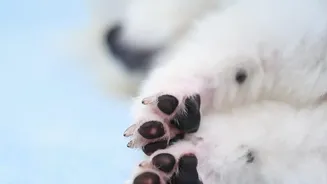
Paws and ears are ground zero for fungal infections. Paws are constantly in contact with damp surfaces, and moisture easily gets trapped between the toes. After each walk, wash your dog’s paws with lukewarm water and dry them meticulously. Trimming the hair between the paw pads can also help reduce moisture retention. Ears are another high-risk area because they are warm, dark, and can trap humidity, creating the ideal environment for yeast overgrowth. Gently wipe the visible parts of your dog’s ears with a vet-approved cleaner a couple of times a week to remove wax and debris. A musty or cheesy smell from the ears is a key warning sign of a yeast infection.
Use Medicated Products Wisely
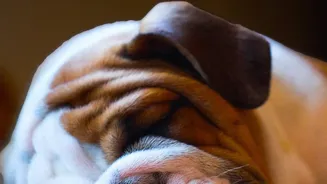
While daily bathing is not recommended as it can strip the skin of its natural protective oils, incorporating medicated products can be beneficial. Consider switching to a vet-approved antifungal shampoo for baths during the humid season. These shampoos can help manage the levels of naturally occurring yeast and fungi on the skin. However, it's crucial not to over-bathe; stick to a schedule of every few weeks unless your dog is visibly dirty. For daily protection, antifungal powders or sprays can be used sparingly on problem areas like skin folds, but always consult your veterinarian before introducing any new medicated product into your routine.
Keep Bedding and Living Spaces Dry
Your efforts on personal hygiene can be undone if your dog's environment is damp. Fungi thrive in unclean, moist environments. Wash your pet's bedding, blankets, and soft toys regularly in hot water and, if possible, dry them under direct sunlight, which acts as a natural sterilizer. Ensure their primary living and sleeping areas are well-ventilated to prevent indoor humidity buildup. Running a dehumidifier can be highly effective in maintaining a dry indoor environment. Avoid heavy blankets that trap moisture and consider switching to breathable, moisture-resistant bedding materials.
Know the Warning Signs
Proactive defence includes knowing when you need professional help. Be vigilant for the early signs of a skin infection. Common symptoms include persistent scratching, licking, or chewing at a specific area. Look for redness, inflammation, scabs, or flaky patches on the skin. You might also notice bald spots, a greasy feel to the coat, or a persistent musty odour. Fungal infections like ringworm can appear as circular, crusty lesions. If you notice any of these symptoms, especially if they persist or worsen, it's time to visit the veterinarian. Early diagnosis and treatment are key to preventing a minor issue from becoming a serious problem.