


The First Crucial Steps
Before you begin any drying process, a few immediate actions can make a huge difference. As soon as you take off your wet shoes, remove the insoles and loosen the laces completely. This opens up the shoe, allowing air to circulate more freely into every
nook and cranny. If the shoes are muddy, give them a quick clean with a damp cloth to prevent dirt from setting in as they dry. Drying the insoles separately significantly speeds up the overall process, as they often hold the most moisture.
The Classic Newspaper Method
It’s an age-old trick for a reason: it works. Newspaper is highly absorbent and is one of the safest and most effective ways to draw moisture out of footwear. Crumple up balls of newspaper and stuff them firmly into your shoes, making sure to reach all the way to the toe. You can also wrap the outside of the shoes in newspaper sheets. Depending on how saturated they are, you may need to replace the damp newspaper with fresh, dry sheets every few hours to continue the absorption. This method is not only effective but also helps the shoe maintain its shape as it dries.
Harness the Power of Airflow
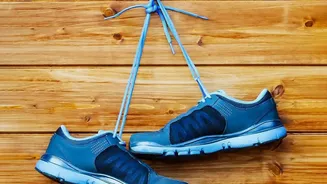
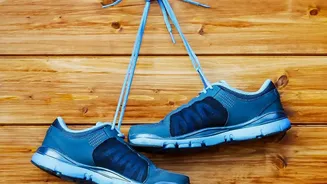
For a faster, yet still safe, result, a simple fan is your best friend. Never use direct heat, but cool air circulation is excellent for evaporating moisture. Place your prepped shoes (insoles removed and laces loosened) in front of a table or floor fan. You can prop them up or even hang them from the fan's grill using S-shaped hooks made from a wire hanger to allow the air to flow directly inside. This method can dry a pair of shoes in just a few hours without the damaging effects of heat.
Unconventional Household Absorbers
If you don't have newspaper handy, look no further than your kitchen pantry. Uncooked rice is a fantastic desiccant. You can fill a pair of old socks with rice, tie them off, and place them inside your wet shoes. The rice will absorb the moisture effectively. Another similar option is using silica gel packets—those little packets you find in new shoe boxes. They are designed specifically to absorb moisture, making them perfect for this task, especially for delicate materials like leather.
What You Must Absolutely Avoid
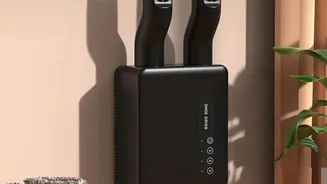
The fastest way is often the most damaging. Never place your shoes directly on a radiator, in front of a heater, in an oven, or use a hairdryer on them. High, direct heat can cause the glue holding your shoes together to melt, make leather crack and become brittle, and cause synthetic materials to warp or shrink. Similarly, while tempting, leaving shoes to bake in direct sunlight for extended periods can fade their colour and degrade the materials. Patience with a gentle method will preserve your footwear for much longer.
Banishing Lingering Odours
Dampness is a breeding ground for odour-causing bacteria. Once your shoes are completely dry, you might notice a lingering musty smell. To combat this, sprinkle a generous amount of baking soda inside each shoe and let it sit overnight. The baking soda will absorb any remaining moisture and neutralise odours. Simply tap out the excess powder in the morning before wearing them. For leather shoes, where baking soda can be too drying, consider using cedar shoe trees, which naturally absorb moisture and deodorise.