


A Glimpse of a Mysterious World
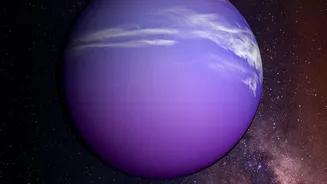
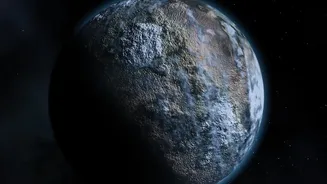
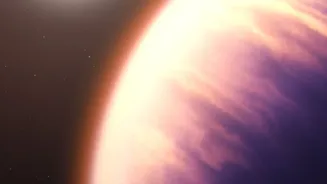
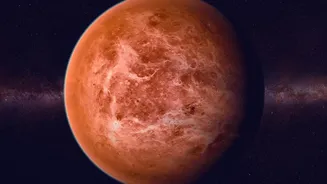
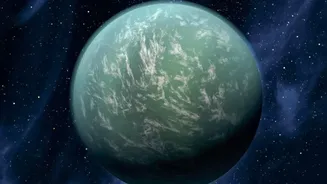
The planet in question is GJ 486 b, a rocky world about 26 light-years away. It is slightly larger than Earth but orbits extremely close to its star, completing a full year in less than 1.5 Earth days. This proximity gives it a scorching surface temperature
of around 430 degrees Celsius. For years, astronomers have been trying to study worlds like this, but their true nature has remained shrouded in mystery. The recent observations with the JWST have provided the most detailed look yet, showing tantalizing hints of water vapour. However, scientists are approaching this with caution, as the discovery comes with a significant puzzle.
How Webb Reads an Alien Atmosphere
To make such a distant detection, the JWST uses a technique called transit spectroscopy. As GJ 486 b passes in front of its host star from our perspective, a tiny fraction of the starlight filters through the planet's atmosphere. Different molecules in an atmosphere absorb specific colours, or wavelengths, of light. The telescope's incredibly sensitive Near-Infrared Spectrograph (NIRSpec) instrument can analyze this filtered starlight, looking for the unique chemical fingerprints left behind by various gases. This allows scientists to piece together the chemical makeup of an atmosphere light-years away, a feat that was impossible with this level of precision before the Webb telescope.
A Planet's Atmosphere or a Star's Sunspot?
Here's the puzzle: while the data shows a clear signature of water, researchers aren't certain if it's coming from the planet or its star. The host star is a red dwarf, a type of star known for having cool, dark patches on its surface called starspots, which are rich in water molecules. The science team has cautioned that the signal they detected could be from one of these cool starspots rather than a planetary atmosphere. If the water vapour is truly associated with the planet, it would mark the first time an atmosphere has been definitively detected around a rocky exoplanet. But if it originates from the star, it's an important lesson in how stellar activity can mimic planetary signals. Further observations are needed to solve this mystery.
Delivering on a $10 Billion Promise
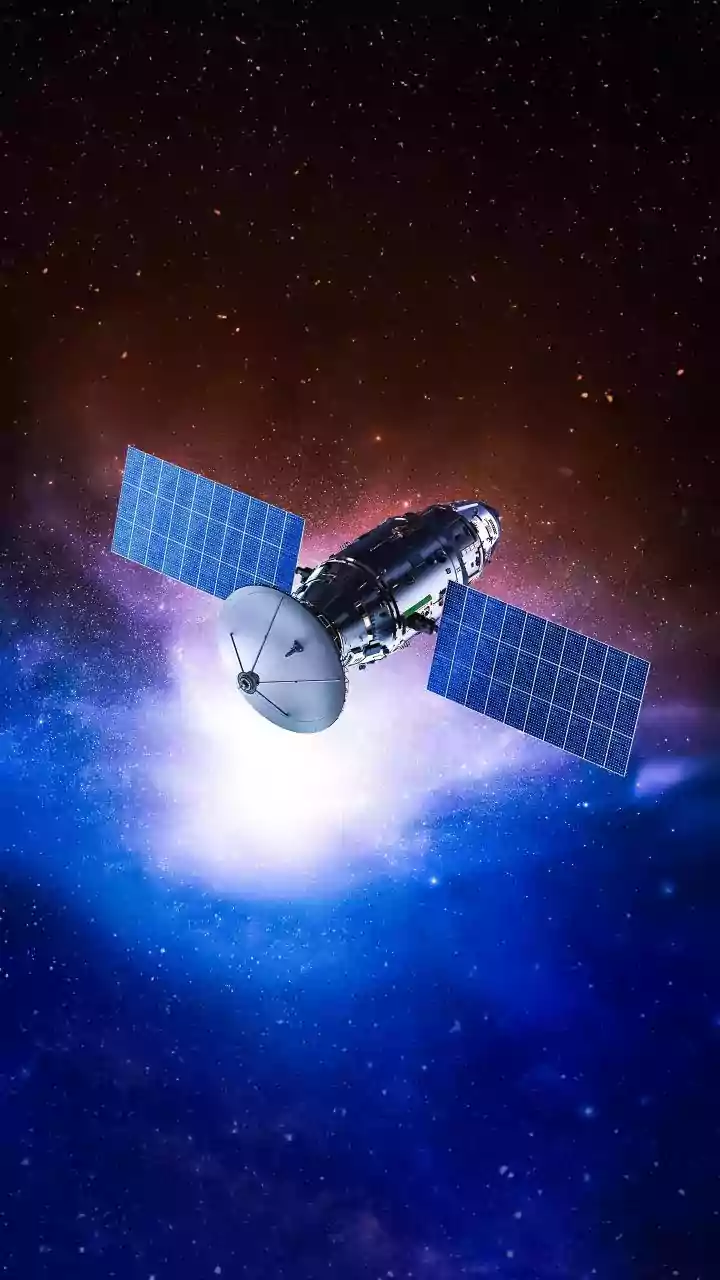
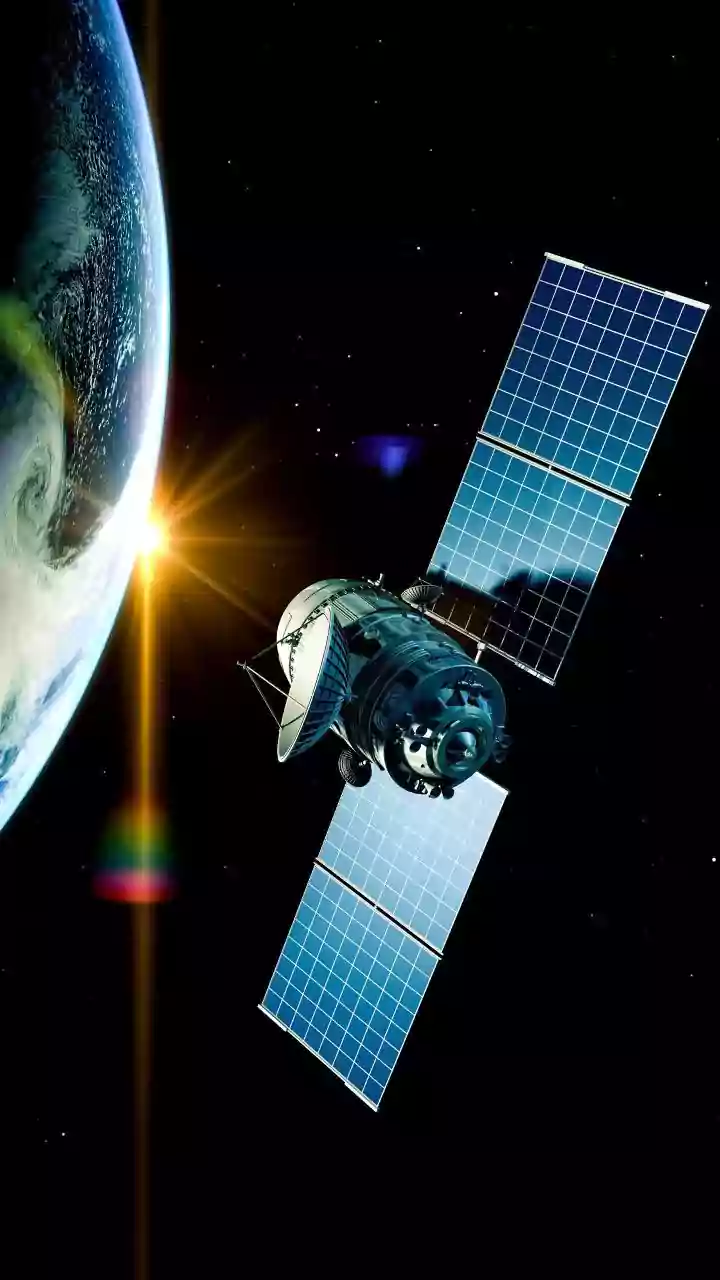
This discovery, with all its complexities, is exactly what the James Webb Space Telescope was built for. As a massive international program led by NASA with partners like the European and Canadian space agencies, the telescope was designed to tackle the biggest questions in astronomy, including whether planets beyond our solar system could support life. Finding water is a cornerstone of that mission. While GJ 486 b is far too hot to have liquid oceans or be considered habitable, detecting any kind of atmosphere around a rocky world is a huge technological and scientific achievement. It demonstrates that the JWST has the power to see the atmospheres of small, rocky planets, paving the way for future studies of worlds in more temperate, potentially life-friendly zones.
The Search for Earth's Twin Continues
The findings from GJ 486 b represent a pivotal moment. Whether the water belongs to the planet or the star, the study provides invaluable insight for astronomers. It refines their techniques and highlights the challenges in distinguishing planetary features from stellar ones. Red dwarfs are the most common type of star in the galaxy, making their planets prime targets in the search for life. Understanding these systems is crucial. This initial detection, full of nuance and questions, is not an endpoint but a starting line. It proves the capability is there, and now scientists can apply these methods to other, perhaps more promising, rocky exoplanets, bringing us one step closer to answering the ultimate question: are we alone?