

A Platter Born from Scarcity
Rajasthani cuisine was profoundly shaped by its geography. The arid desert climate, scarcity of water, and lack of fresh green vegetables forced its people to innovate. The result is a culinary tradition that relies heavily on ingredients with a long
shelf life: lentils, beans, gram flour (besan), and local grains like millet (bajra). Milk, buttermilk, and ghee became staples due to a large cattle population, adding richness and flavour. This resourcefulness is the foundation of the vegetarian thali, turning constraints into a unique and flavourful advantage. The food needed to be hearty and long-lasting, suitable for both warrior clans on the move and settled communities alike.
The Holy Trinity: Dal, Baati, Churma
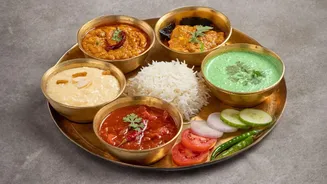
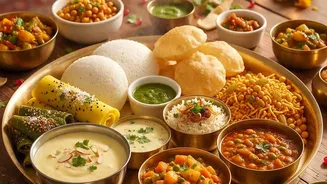
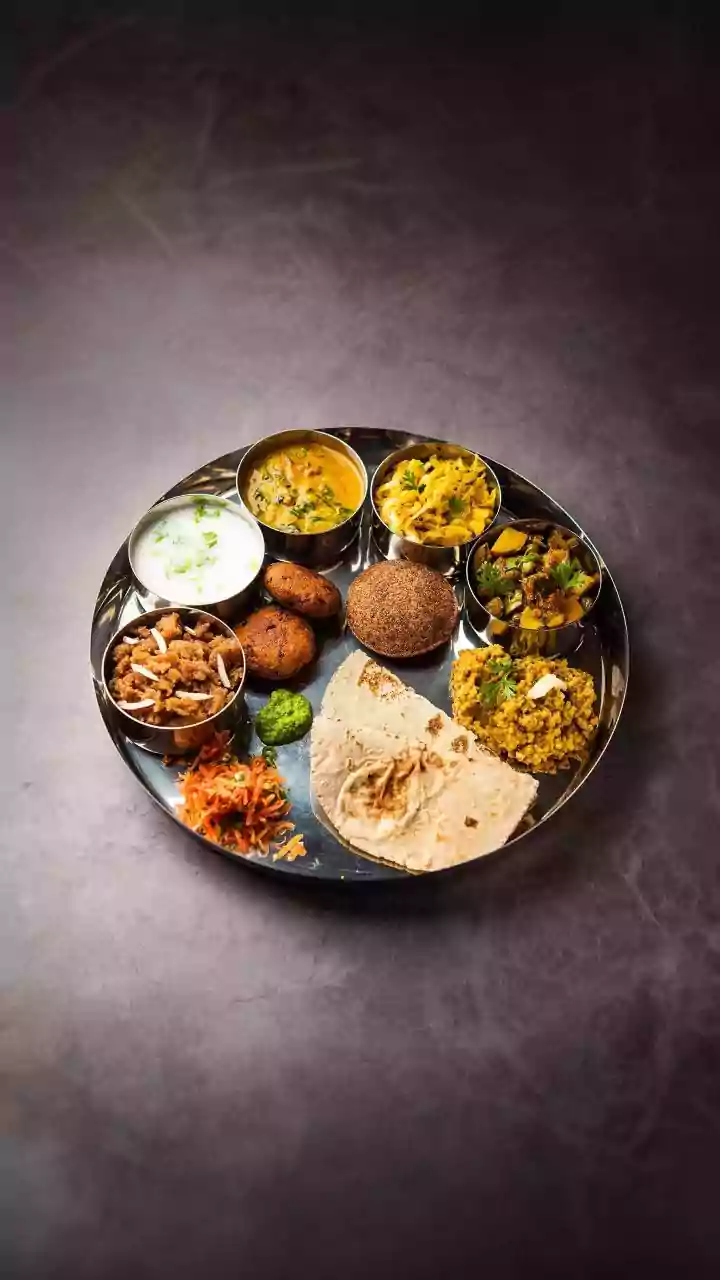
No Rajasthani thali is complete without its undisputed centrepiece: Dal, Baati, and Churma. This trio is a meal in itself, perfectly balancing savoury and sweet. Baati, hard wheat rolls, are believed to have originated as a convenient food for soldiers who would bury dough balls in the hot desert sand to bake. These dense, ghee-laden orbs are designed to be crushed and mixed with dal. The dal is often a 'Panchmel Dal', a nutritious and aromatic blend of five different lentils. The final element, Churma, was born from a happy accident when baatis were mistakenly soaked in sugarcane juice. Today, it is a sweet, crumbly dessert made from coarsely ground wheat, ghee, and jaggery or sugar, providing a perfect end to the spicy meal.
A Symphony of Curries and Vegetables
Beyond the main trio, a thali presents a vibrant collection of 'sabzis' or vegetable dishes that showcase culinary creativity. Gatte ki Sabzi is a prime example. These steamed and pan-fried gram flour (besan) dumplings are simmered in a tangy yoghurt-based curry. It is a dish born of necessity, providing a protein-rich option when fresh vegetables were unavailable and was even used as food for soldiers. Another desert speciality is Ker Sangri, a unique dish made from dried desert beans and berries, offering a tangy and peppery flavour that is quintessentially Rajasthani. These dishes are a testament to the ability of Rajasthani cooks to create complex and delicious meals from a limited pantry.
The Essential Accompaniments
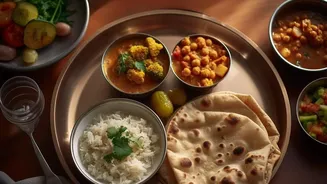
What elevates a thali from a collection of dishes to a holistic experience are the accompaniments. Breads like bajra roti (millet flatbread) or missi roti (chickpea flour bread) are common, reflecting the grains that grow in the region. A fiery Lehsun ki Chutney, a pungent garlic and red chilli paste, provides a sharp kick of flavour that cuts through the richness of the ghee. To cool the palate, a glass of 'chaas' (spiced buttermilk) is almost always present, aiding digestion and balancing the spices. Pickles and fresh salads add another layer of texture and taste, ensuring every bite is different from the last.
More Than Food, It's Hospitality
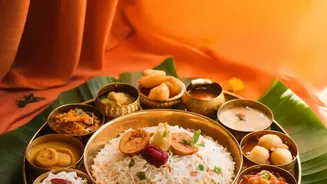
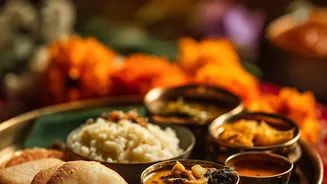
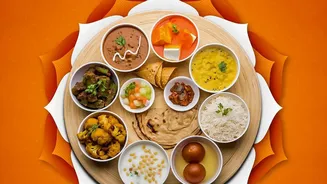
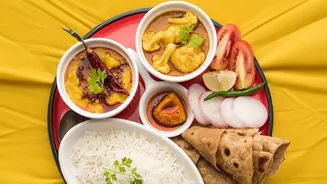
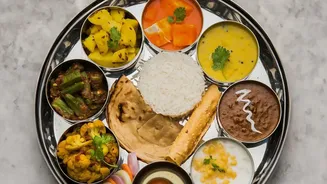
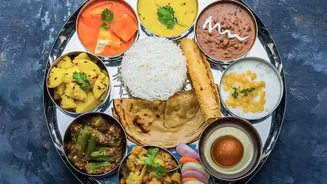
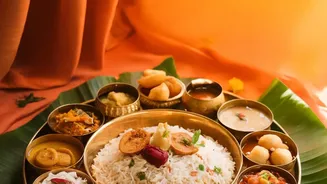
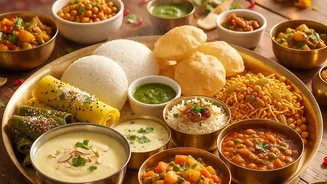
Ultimately, the Rajasthani thali is an expression of the region's famous hospitality. Traditionally, the amount of ghee served with the meal was seen as a measure of the host's affection and generosity. The thali format itself, with its many bowls offering a wide variety of tastes, is an invitation to sit, share, and savour. It represents a culture where every meal is a celebration, a coming together of community. From food developed for soldiers to dishes perfected in royal kitchens, the vegetarian thali is a living museum on a platter. It tells the story of a land and its people—their resilience, their artistry, and their deep connection to their heritage.