








Combat Dampness and Musty Odours
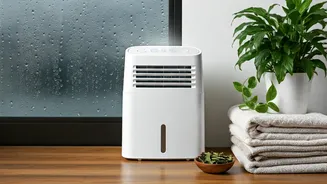
High humidity is the defining feature of the Indian monsoon, and it can make your home feel damp and smell musty. The key is to improve air circulation. Keep windows open for cross-ventilation whenever it is not raining, especially during the day to let
in sunlight, which is a natural disinfectant. Using exhaust fans in kitchens and bathrooms is crucial to expel moist air. For enclosed spaces like cupboards and wardrobes, place natural moisture absorbers. Small bowls of coarse salt or baking soda can be effective. Camphor balls and dried neem leaves are traditional solutions that not only absorb moisture but also act as natural antiseptics and fresheners.
Prevent Mould and Mildew
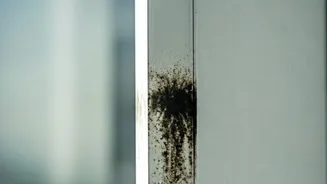
Damp surfaces are a breeding ground for mould and mildew, which are not only unsightly but can also trigger allergies and respiratory issues. Be proactive by inspecting walls and ceilings for any cracks or leaks before the heavy rains begin and sealing them with waterproof putty. If you spot mould, you can treat it with a simple solution of equal parts white vinegar and water. Spray it on the affected area, let it dry, and then wipe it clean. For a natural antifungal treatment, you can boil neem leaves in water, cool the solution, and use it to wipe down mould-prone walls and corners.
Keep Pests at Bay
The rainy season forces many pests, including cockroaches, ants, and mosquitoes, to seek shelter indoors. The first line of defence is to eliminate their entry points. Seal any cracks or gaps in walls, floors, and around pipes. Ensure there is no stagnant water in or around your home, as this is a prime breeding ground for mosquitoes; this includes emptying plant saucers, old tyres, and buckets. Inside the kitchen, store all food items like grains and snacks in airtight containers to keep them dry and prevent pests from being attracted to them. Wiping down kitchen shelves with a vinegar solution can also help erase the pheromone trails left by ants.
Care for Wooden Furniture
Wood is particularly vulnerable during the monsoon as it absorbs moisture from the air, causing it to swell, warp, or develop fungus. To protect it, try to maintain a distance of a few inches between wooden furniture and damp walls to allow for air circulation. Regular wiping with a soft, dry cloth is essential to remove surface moisture. Applying a coat of wax or polish before the season starts creates a protective barrier. For enclosed wooden furniture like wardrobes and cabinets, placing silica gel packs or camphor inside can help absorb trapped moisture and prevent that characteristic musty smell.
Ensure Electrical Safety
The combination of dampness and electricity is a serious hazard. It's crucial to conduct a pre-monsoon check of all your home's wiring. Look for any frayed or exposed wires and have them repaired by a qualified electrician immediately. Avoid touching switches or appliances with wet hands. During thunderstorms, it's wise to unplug expensive electronic devices like televisions and computers to protect them from power surges caused by lightning. Ensure that electrical outlets, especially those near windows or on balconies, are well-protected from rainwater. Installing a Residual Current Circuit Breaker (RCCB) can provide an extra layer of protection against electric shocks.
Manage Laundry and Wardrobe Care
Drying clothes can be one of the biggest challenges during the monsoon. Avoid leaving damp clothes in the laundry basket, as this quickly leads to mildew and bad odours. Wash smaller loads more frequently. When drying indoors, use a drying rack and place it in a well-ventilated area, preferably under a fan. Ensure clothes are completely dry before putting them away. Ironing clothes, even if they feel dry, helps remove any lingering moisture and kills mould spores. Placing camphor balls, silica gel packs, or dried neem leaves inside your wardrobe will help keep stored clothes fresh and protected from moisture and insects.