


The Problem with 'Plant Trends'
We've all seen them: the stunningly beautiful, picture-perfect plants that dominate social media feeds and garden centre displays. It's tempting to believe that adding one of these popular, often exotic, ornamentals is the fastest way to create a lush,
green oasis. However, this 'quick fix' approach often misses the point of true biodiversity. A plant that is not native to our local environment may look lovely, but it often acts as a silent island. Local insects and birds may not recognise it as a food source or a place to shelter, making it little more than a living decoration. Some popular non-native ornamental plants can even become invasive, escaping gardens and outcompeting local flora, which can harm the ecosystem.
Embrace a Native Plant Palette
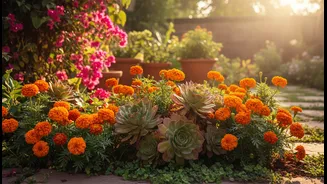
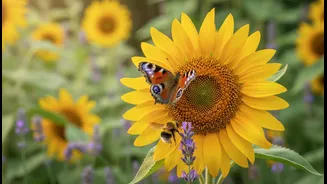
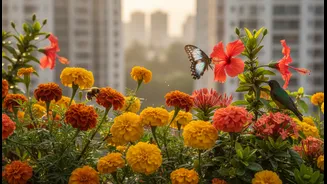
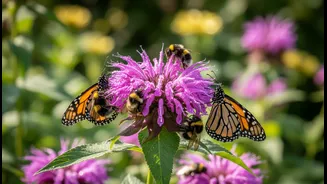
The single most impactful choice you can make is to prioritise native plants. These are the species that have evolved in your specific region for millennia. In India, this could mean plants like Tulsi (Holy Basil), Marigold, Jasmine, Neem, or Peepal trees, depending on your area. Because they are perfectly adapted to the local climate and soil, native plants require less water, fertiliser, and general fuss. More importantly, they form the foundation of the local food web. They provide the right kind of nectar for native bees and butterflies, leaves for caterpillars to munch on, and seeds and fruit for birds.
Think in Layers, Not Just Pots
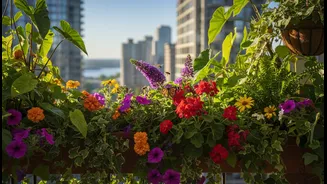
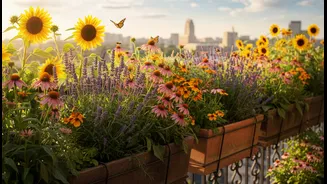
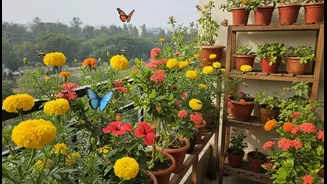
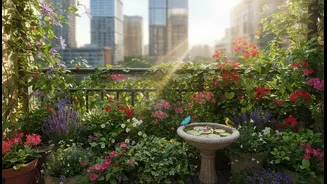
A healthy ecosystem has structure. Think of a forest with its tall canopy, mid-level shrubs, and groundcover. You can mimic this in your own small space, even on a balcony. Combine a small tree or a tall shrub in a large pot, a few medium-sized flowering bushes, and some low-growing groundcover or trailing plants. This variety of heights and densities provides different habitats, offering more options for shelter, nesting, and foraging for a wider range of creatures, from tiny insects to small birds.
Add Water and Shelter
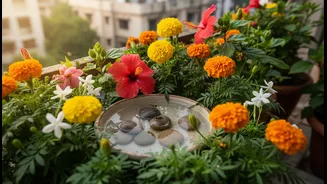
Biodiversity isn't just about plants. One of the simplest and most effective things you can do is to provide a consistent source of water. A shallow dish with a few pebbles or marbles in it can serve as a safe drinking spot for bees, butterflies, and birds. The pebbles give insects a place to land so they don't drown. You can also create shelter. A small pile of twigs and leaves in a corner can become a refuge for beneficial insects, while a small log pile can provide a home for beetles and other decomposers.
Rethink 'Tidiness'
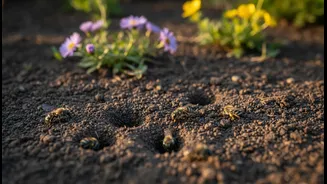
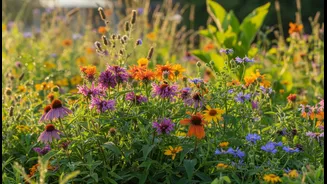
A perfectly manicured garden can sometimes be a sterile one for wildlife. Learning to embrace a little bit of 'messiness' can make a huge difference. For example, instead of deadheading all your flowers once they fade, let some go to seed. The seed heads can provide a valuable food source for birds during leaner months. Resisting the urge to immediately sweep up every fallen leaf allows them to decompose, enriching the soil and providing a habitat for overwintering insects like caterpillars and ladybugs.
Go Pesticide-Free
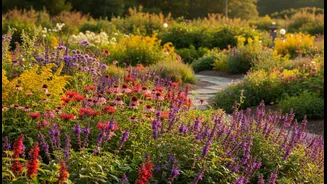
Using chemical pesticides is one of the quickest ways to undermine your biodiversity goals. These chemicals are often indiscriminate, killing beneficial insects like ladybugs and lacewings right along with the pests. A garden rich in native plants will naturally attract predatory insects that help keep pest populations in check. For persistent issues, explore natural alternatives like neem oil sprays or insecticidal soaps. A healthy, balanced ecosystem is the best form of pest control.