

Paraty & Ilha Grande: Colonial Gold and Pristine Island
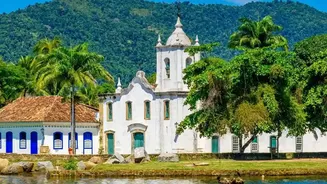
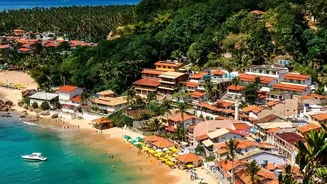
On Brazil's Costa Verde, or 'Green Coast', lies a UNESCO World Heritage site that pairs a perfectly preserved colonial town with a wild, undeveloped island. Paraty, founded in 1667, was a crucial port during Brazil's gold rush, its wealth evident in the
cobblestone streets and colourful colonial mansions. The historic centre is a car-free zone where high tides periodically wash the streets, a unique design feature from centuries ago. After exploring the town’s history and tasting its famous cachaça, a short boat trip takes you to Ilha Grande. A former prison colony, the island's isolation inadvertently preserved its lush Atlantic Rainforest. Today, it's a paradise for hikers and beach lovers, with no cars and over 100 beaches connected by jungle trails.
Chapada Diamantina: Diamond-Rush History in a Hiker's Paradise
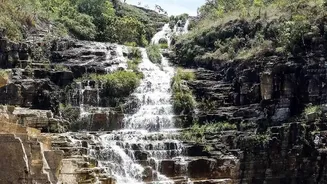
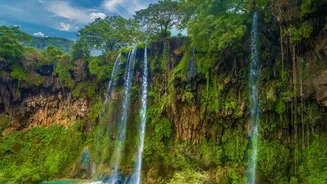
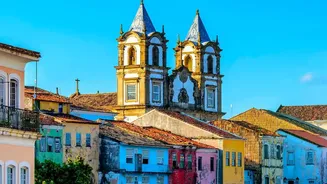
In the heart of Bahia state lies Chapada Diamantina National Park, a breathtaking landscape of flat-topped mountains, deep canyons, and powerful waterfalls. Established in 1985, the park's history is rooted in the 19th-century diamond rush that drew thousands to the region. The legacy of that era lives on in towns like Lençóis, once a boomtown of 30,000 people, which now serves as a charming gateway to the park with its colourful 19th-century architecture. The very trails used by miners, or 'garimpeiros', are now popular hiking routes leading to spectacular sights like the Fumaça Waterfall and the shimmering blue pools of Poço Azul and Poço Encantado. This destination offers a direct link between its rugged natural beauty and the stories of fortune-seekers who once navigated its challenging terrain.
Lençóis Maranhenses: Dunes, Lagoons, and Enduring Communities
Recently named a UNESCO World Heritage site, Lençóis Maranhenses National Park offers one of the most surreal landscapes on Earth. Located in the northeastern state of Maranhão, it features vast fields of towering white sand dunes. While it looks like a desert, the region receives significant rainfall, which collects in the valleys between dunes to form thousands of crystal-clear freshwater lagoons from roughly May to September. Beyond the otherworldly scenery, the park has a deep cultural story. It is home to traditional fishing communities that have lived within the dunes for generations, adapting their lives to the seasonal rhythm of the water. This blend of a unique natural phenomenon with a resilient local culture makes it a truly profound travel experience.
Ouro Preto: Baroque Masterpieces in the Mountains
Nestled in the mountains of Minas Gerais, Ouro Preto—meaning 'Black Gold'—is a journey back to the height of Brazil's 18th-century Gold Rush. As Brazil's first cultural site to be named a UNESCO World Heritage site, the city is a living museum of Baroque architecture. Its steep, winding cobblestone streets are lined with magnificent churches, ornate fountains, and colonial mansions built from the immense wealth extracted from the surrounding mines. The city was not only an economic hub but also the birthplace of a Brazilian independence movement, the Inconfidência Mineira. Today, visitors can explore the churches adorned with works by the master sculptor Aleijadinho and even tour the former gold mines, gaining a tangible sense of the history that shaped this stunning mountain town.
Jalapão: Raw Nature and Quilombola Heritage
For the truly adventurous, Jalapão State Park in the state of Tocantins is one of Brazil's last wilderness frontiers. This remote region of the Cerrado savanna is characterized by a dramatic landscape of golden sand dunes, powerful waterfalls, and unique natural springs called 'fervedouros'. In these bubbling springs, the pressure of the rising water is so strong that it's impossible to sink, creating a natural floating experience. The cultural side of Jalapão is just as compelling. The area is home to Quilombola communities, descendants of escaped enslaved Africans who formed settlements here centuries ago. These communities preserve their heritage through traditions like the crafting of 'capim dourado' (golden grass) handicrafts, offering visitors a chance to engage with a vital and enduring part of Brazilian history while immersed in an incredible natural environment.