




Pune's 2026 Real Estate Climate
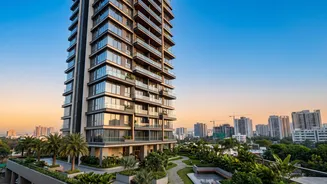
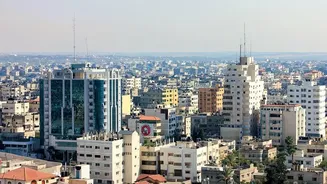
Pune's property market in 2026 is best described as mature and steady, driven by genuine end-user demand rather than speculation. The city's powerhouse IT and manufacturing sectors ensure a constant influx of professionals, keeping housing demand robust,
especially in the western and eastern corridors. While housing sales saw a modest annual recovery of around 7% by mid-2026, new project launches grew even faster at about 14%, leading to more options for buyers. Property prices have continued to appreciate, though at a more moderate pace of 5-10% annually in many key areas. This creates a complex picture: it's a buyer's market in terms of choice, but prices are not falling. The market is stable, with strong fundamentals, making both buying and renting compelling options for different reasons.
The Case for Buying a Home
The primary argument for buying is building a long-term asset. In Pune, where property values in key IT-corridor localities are projected to grow 8-12% annually, homeownership can be a significant wealth creator. Let's consider a typical 2BHK flat of about 900 sq. ft. in a mid-segment area like Wakad or Hinjewadi. With property rates around ₹9,000-₹13,000 per sq. ft., the cost could be anywhere from ₹81 lakhs to ₹1.17 crore. Assuming a price of ₹85 lakhs and a 20% down payment (₹17 lakhs), you would need a home loan of ₹68 lakhs. With home loan interest rates hovering around 8.5% in September 2026, the Equated Monthly Instalment (EMI) for a 20-year loan would be approximately ₹59,000. Beyond the EMI, buying involves other significant costs like stamp duty, registration charges, and furnishing. However, every EMI payment contributes to building equity, and after 20 years, you own a valuable asset in a prime metropolitan area.
The Reality of Renting in Pune
Renting offers flexibility and a significantly lower upfront financial commitment, a major draw for the thousands of professionals and students who move to Pune. In popular IT hubs, a semi-furnished 2BHK can be rented for ₹23,000 to ₹30,000 per month in areas like Hinjewadi, and ₹35,000 to ₹40,000 in prime locations like Kharadi. The main cost is a refundable security deposit, typically two months' rent, which is far less than the down payment required for a purchase. The downside is the lack of asset creation; rent is a pure expense. Furthermore, with annual rent escalations of 5-10%, a ₹30,000 rent today could easily surpass ₹40,000 in five years. While renting is cheaper on a monthly basis, that advantage diminishes over time.
A Head-to-Head Financial Breakdown
When comparing the monthly outflow, renting appears significantly cheaper. An EMI of ₹59,000 for buying is nearly double the average rent of ₹30,000 for a comparable property. However, this comparison is incomplete. A large portion of the initial EMI payments goes towards interest, which is effectively the 'rent' you pay the bank for its money. Financial experts use the price-to-rent ratio to get a clearer picture. In Pune's key markets like Wakad and Kharadi, this ratio is estimated to be between 18x and 25x. A ratio above 20 suggests that, from a purely financial standpoint, renting and investing the difference (the ₹29,000 saved each month) in assets like mutual funds could potentially generate more wealth over the long term. Conversely, as the ratio approaches 18x, buying becomes more financially attractive. In Pune, the decision is borderline, making personal factors even more critical.
Beyond the Numbers: Lifestyle and Goals
The buy vs. rent decision isn't just about money; it's about your life stage and long-term plans. Buying a home offers stability, a sense of belonging, and freedom from landlords. It's an emotional investment as much as a financial one. However, it also comes with responsibilities like maintenance, property taxes, and a lack of mobility. If you anticipate relocating for work in the next few years, the high transaction costs of buying and selling might outweigh the benefits. Renting, on the other hand, provides the ultimate flexibility to move, upgrade, or downsize as your needs change. It's a lifestyle choice that prioritizes mobility and minimal responsibility over asset ownership. For many young professionals in Pune's fast-paced job market, this flexibility is invaluable.