






The Spark of '66
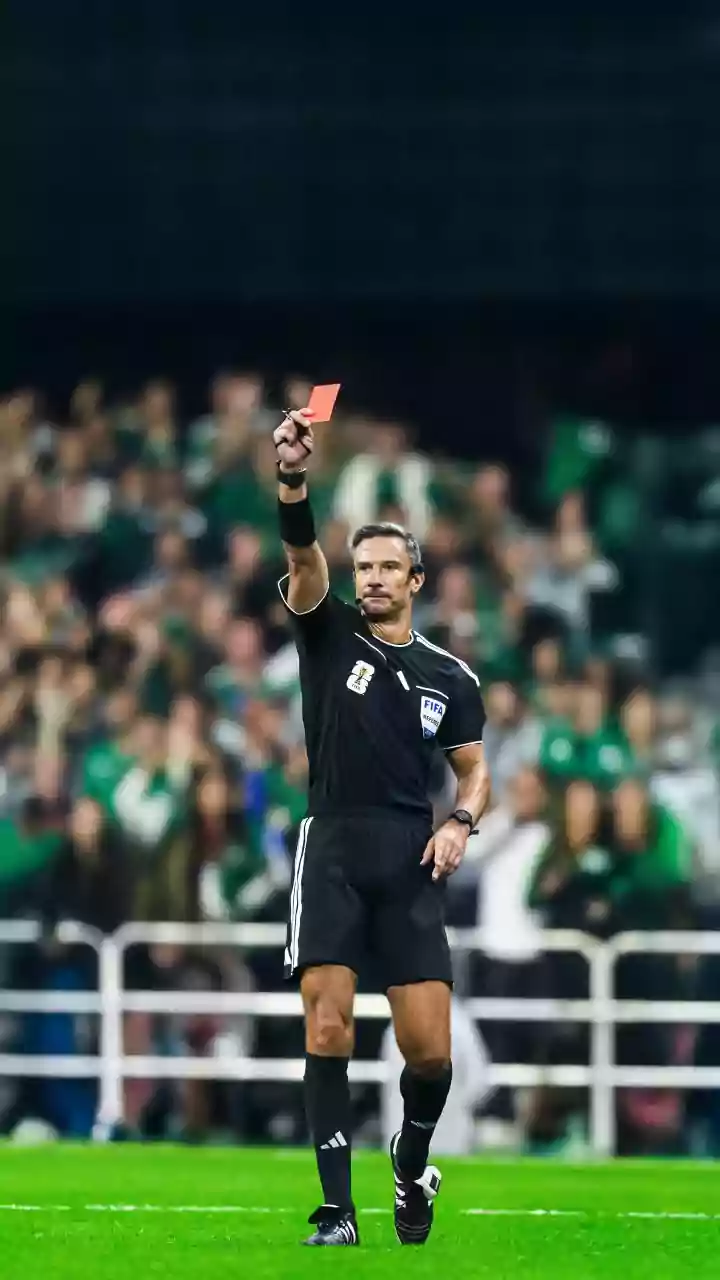
The bitterness began at the 1966 World Cup in England. In a fiery quarter-final, Argentina's captain, Antonio Rattin, was sent off. The dismissal was for "violence of the tongue", though the German referee spoke no Spanish and Rattin no German. Rattin refused
to leave the pitch for eight minutes, eventually walking off, crumpling a corner flag, and sitting on the red carpet reserved for the Queen. After England secured a 1-0 win, manager Alf Ramsey prevented his players from swapping shirts, famously calling the Argentinians "animals." The incident created a deep-seated grievance in Argentina and set the stage for decades of animosity.
From Football Pitch to Battlefield
The rivalry transcended sport and became intensely political with the 1982 Falklands War, a ten-week conflict over the South Atlantic islands known to Argentinians as the Malvinas. The war, which resulted in over 900 casualties, left deep scars on both nations. When the two countries were drawn to play each other in the World Cup just four years later, the match was seen in Argentina as a chance for revenge. The political context transformed the fixture from a mere football game into a contest loaded with nationalistic fervor and resentment.
The Hand of God and a Stroke of Genius
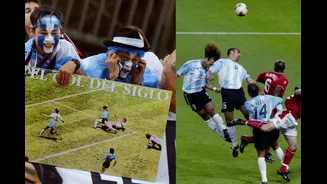
The 1986 World Cup quarter-final in Mexico is perhaps the most infamous match in football history. The game was defined by two goals from Argentina's talisman, Diego Maradona. First, he scored the notorious "Hand of God" goal, punching the ball past England's goalkeeper Peter Shilton. The referee missed the infringement and allowed the goal to stand. Minutes later, Maradona scored what was later voted the "Goal of the Century," a dazzling run that saw him dribble past five England players before scoring. Argentina won 2-1. Maradona later said the victory was revenge for the war, stating, "it was as if we had beaten a country, not just a football team."
Red Mist and Revenge in '98 and '02
The drama continued at the 1998 World Cup in France. In a pulsating round-of-16 match, a teenaged Michael Owen scored a brilliant solo goal for England. But the game's defining moment was David Beckham's red card. After being fouled by Diego Simeone, Beckham, while lying on the ground, petulantly kicked out at the Argentinian, who fell dramatically. England, down to ten men, eventually lost on penalties. Beckham was vilified by the English press and public. Redemption came four years later at the 2002 World Cup. As captain, Beckham scored the winning penalty in a 1-0 group stage victory over Argentina, a goal that helped eliminate their rivals from the tournament and exorcise the ghosts of 1998 for the player and the nation.