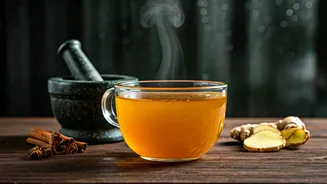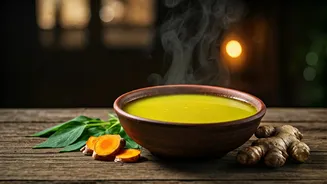



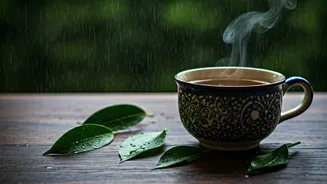


What is Kadha, Really?
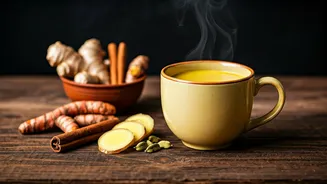
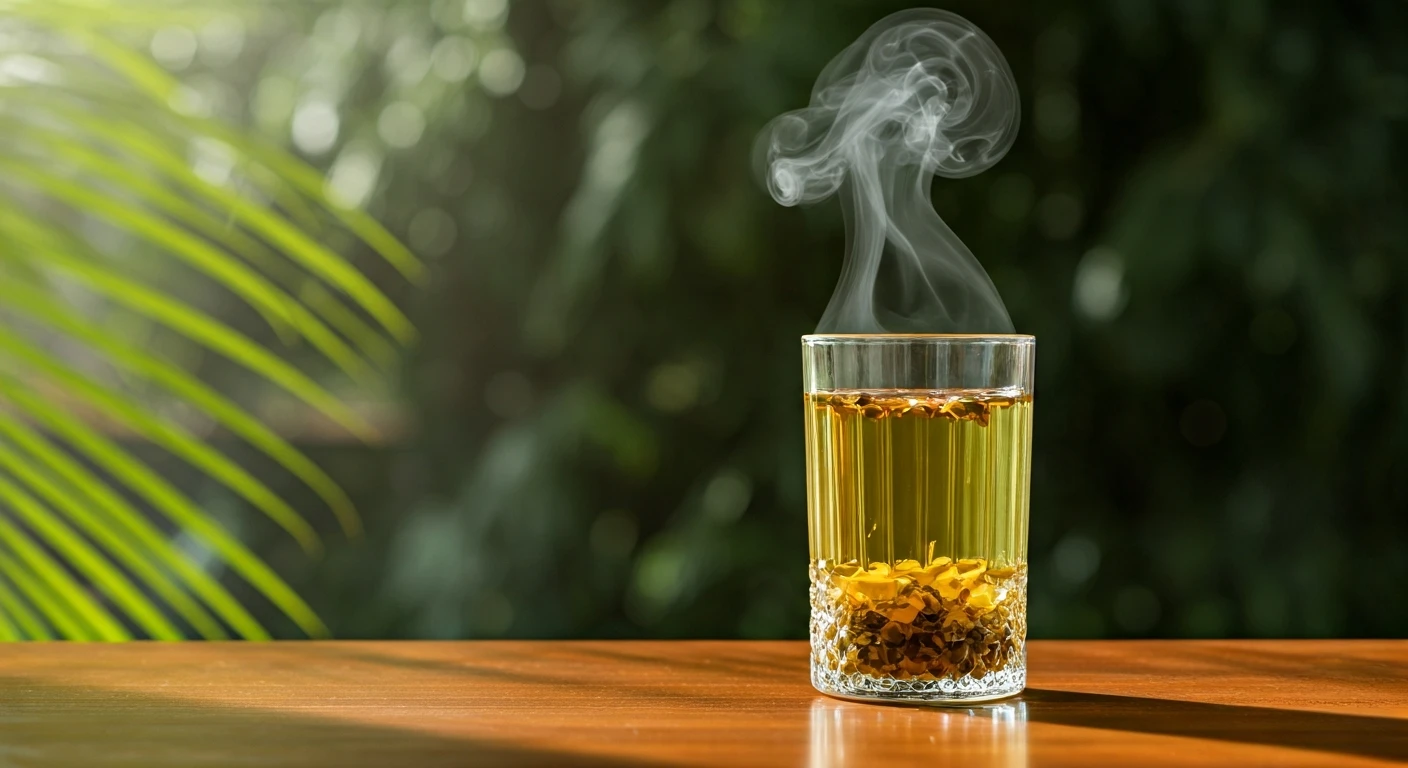
At its heart, kadha is a traditional Indian decoction, an Ayurvedic drink prepared by simmering a combination of herbs and spices in water for an extended period. This process allows the water to extract the medicinal properties and volatile oils from
the ingredients. The result is a potent, flavourful liquid that’s been a go-to home remedy for centuries, particularly for warding off common ailments like colds, coughs, and sore throats. Think of it as a comforting, all-natural cup of wellness, customised in kitchens across the country with ingredients readily available on the spice rack.
The Monsoon Immunity Challenge
Why does the monsoon, a season so many of us love, often coincide with a spike in illnesses? The combination of high humidity and fluctuating temperatures creates an ideal environment for viruses and bacteria to thrive. The dampness can weaken our digestive fire, or 'agni,' in Ayurvedic terms, which is believed to be the cornerstone of good health and strong immunity. This is where kadha steps in. It's not a magic cure, but a supportive measure. The ingredients are traditionally chosen for their warming properties, which are thought to counteract the damp coldness of the season and help bolster the body's natural defences.
Powerhouse Ingredients of a Classic Kadha
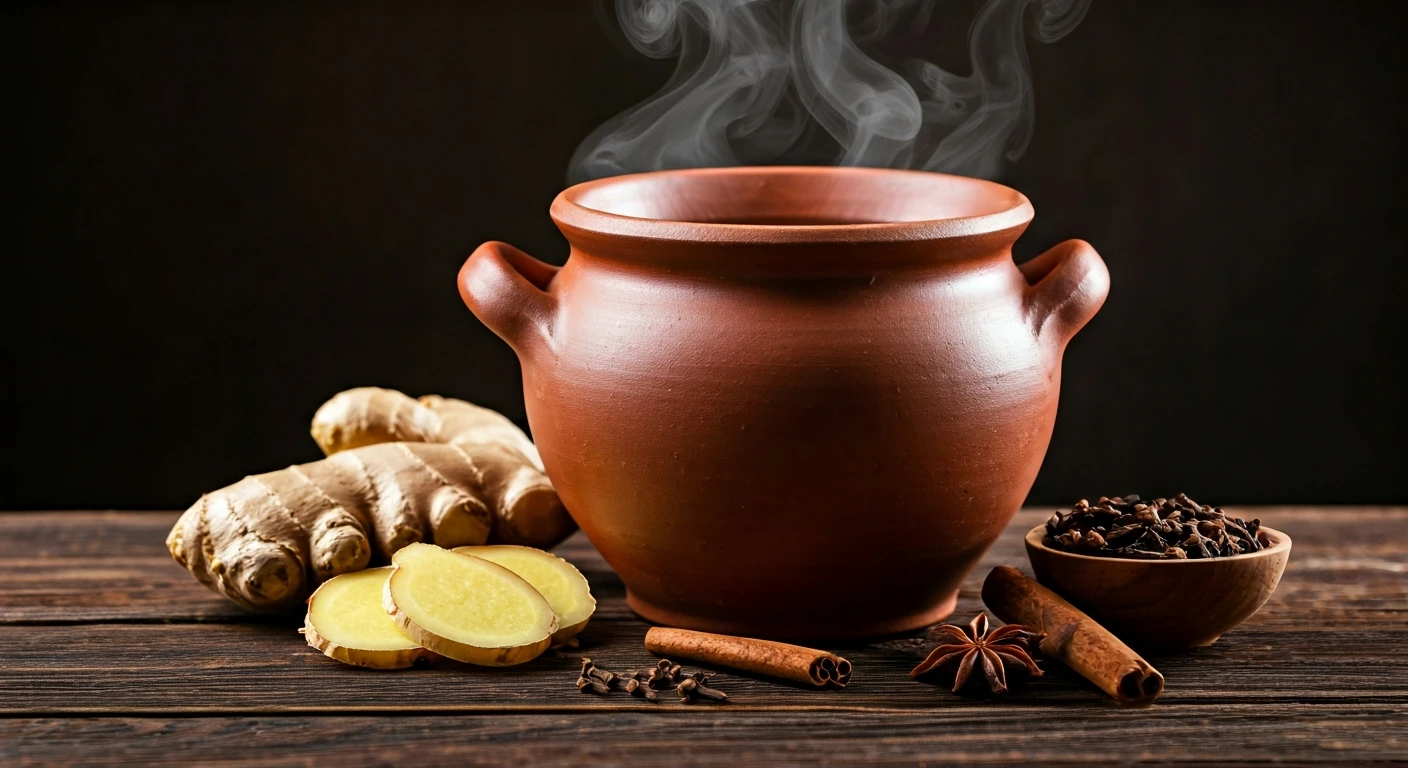
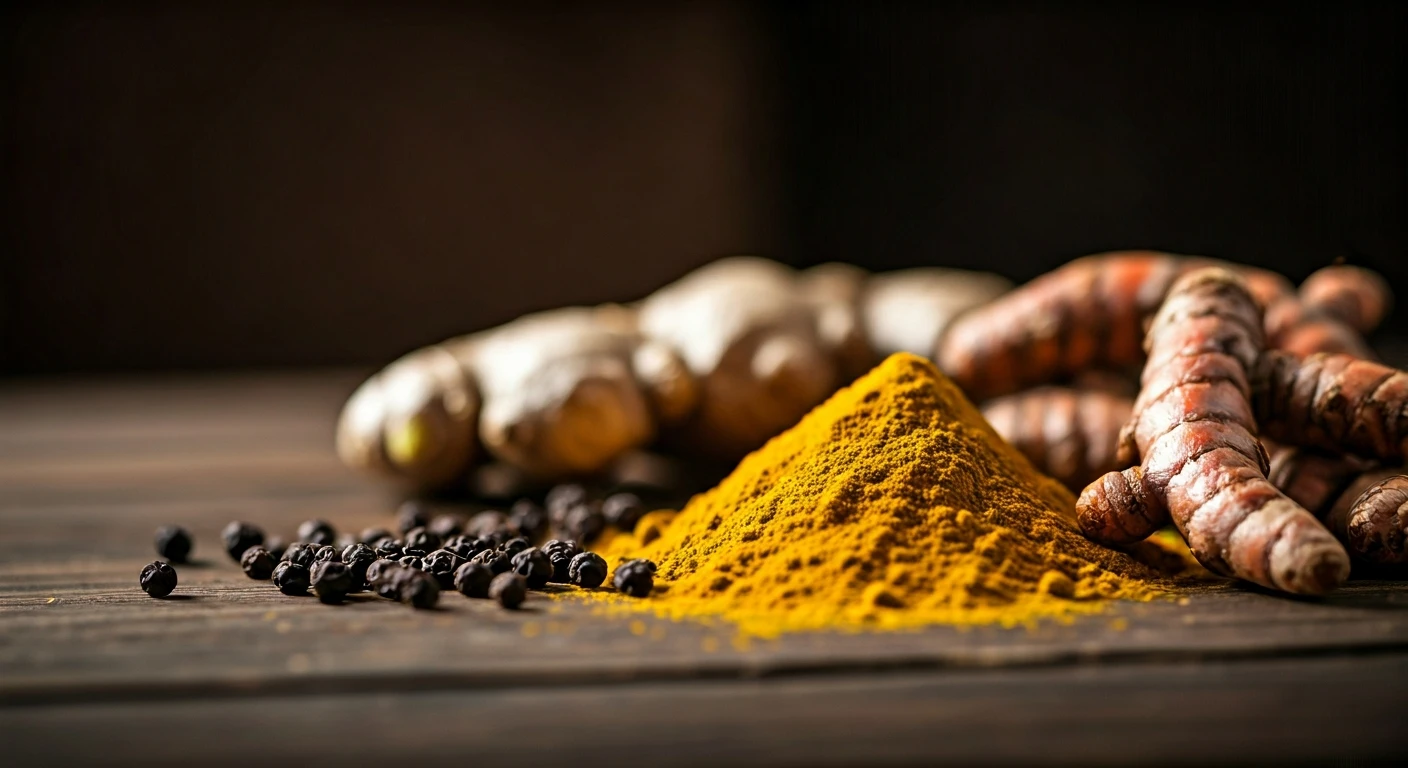
While recipes vary from family to family, a classic monsoon kadha usually features a core group of potent spices and herbs. Each brings its own traditionally recognised benefit to the brew.
- **Tulsi (Holy Basil):** Revered in Ayurveda, tulsi is an adaptogen, which means it is believed to help the body adapt to stress. It is rich in antioxidants and traditionally used for its antimicrobial properties, making it a first line of defence against respiratory issues.
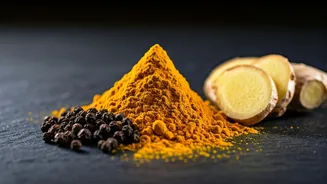
- **Ginger (Adrak):** This rhizome is prized for its anti-inflammatory and digestive properties. Fresh ginger provides a pungent warmth that helps clear congestion and soothe a sore throat.
- **Black Pepper (Kali Mirch):** More than just a seasoning, black pepper is a natural expectorant. It is believed to help loosen phlegm and relieve chest congestion. Its active compound, piperine, also enhances the bioavailability of other nutrients.
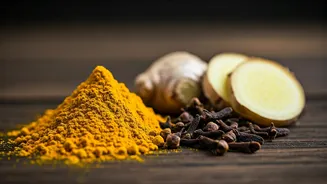
- **Cloves (Laung) & Cinnamon (Dalchini):** Both spices are warming and aromatic. Cloves are known for their antiseptic properties and ability to soothe a sore throat, while cinnamon is packed with antioxidants and traditionally used to help manage blood sugar levels and fight infections.
How to Brew Your Perfect Monsoon Kadha
Making kadha at home is incredibly simple. This basic recipe can be your starting point, and you can adjust the ingredients based on your taste and what you have on hand.
Ingredients:
- 2 cups of water
- 4-5 tulsi leaves, lightly crushed
- 1-inch piece of ginger, grated or crushed
- 3-4 black peppercorns, coarsely crushed
- 2 cloves
- ½-inch stick of cinnamon
- 1 teaspoon of honey or a small piece of jaggery (gud) to taste (add at the end)
Instructions:
1. In a saucepan, add the water, tulsi, ginger, black peppercorns, cloves, and cinnamon.
2. Bring the mixture to a boil over medium heat.
3. Once it starts boiling, reduce the heat to low and let it simmer for 10-15 minutes. The goal is to reduce the liquid to about half its original volume. This concentrates the flavours and properties of the spices.
4. Turn off the heat and strain the liquid into a cup.
5. Let it cool slightly until it's comfortably warm, then stir in the honey or jaggery until it dissolves. Adding honey to boiling hot water is traditionally avoided as it is believed to alter its properties.
A Note on Balance and Moderation
While kadha is a wonderful wellness aid, it's important to consume it in moderation. Most of the ingredients are 'heating' in nature. Overconsumption, especially for those with a 'pitta' or heat-dominant constitution, can potentially lead to issues like acidity, heartburn, or nosebleeds. A small cup once a day during the monsoon is generally considered safe and effective for most people. Always listen to your body. If you feel any discomfort, reduce the frequency or the quantity of the spices used.