



The Great Purification
Weeks before the festival begins on September 14th this year, a wave of deep cleaning sweeps through Mumbai homes. This isn't just about tidying up; it's a ritualistic purification of the space to welcome the divine guest. Every corner of the house, from
dusty lofts to kitchen shelves, is scrubbed and organised. Furniture is rearranged to create the perfect spot for the idol, an area that will become the home's spiritual epicentre for the duration of the festival. This cleansing is the foundational step, creating a pristine and sanctified environment worthy of Lord Ganesha.
Bringing Bappa Home
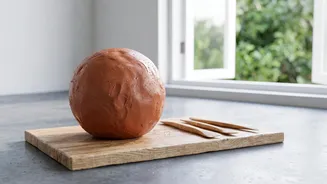
The selection of the Ganpati idol is a deeply personal and exciting part of the preparations. Families visit local artisans and workshops, searching for the perfect murti that resonates with them. In recent years, there has been a significant and welcome shift towards eco-friendly idols. While traditional Plaster of Paris (POP) idols were once common, many Mumbaikars now consciously choose idols made from natural materials like Shadu clay (shadu mati), paper pulp, or even red soil that contains plant seeds. These idols are not only lighter and easier to handle but dissolve harmlessly in water, allowing for an environmentally responsible visarjan (immersion) at home in a bucket or tub.
Crafting a Divine Seat
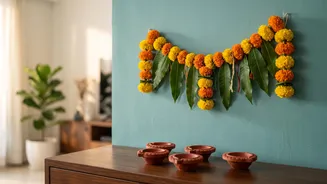
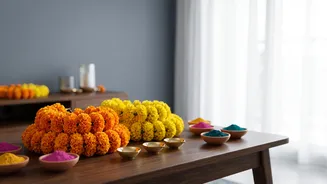
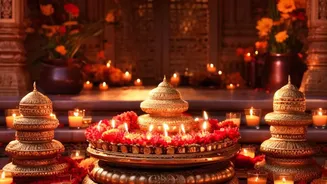
Once the idol is chosen, the focus shifts to creating a beautiful throne, or 'makhar'. This can range from a simple, elegant platform draped in a red or yellow cloth to an elaborate, thematic backdrop. Many families get creative, using fresh flowers like marigolds and hibiscus, mango leaves, colourful drapes, and strings of lightsto build a stunning mandap. The key is to create a space that feels special and reverent, giving the idol a place of honour. Traditional brass oil lamps (diyas) are often preferred over electric lights to create a warm, divine glow.
The Fragrance of Festive Food
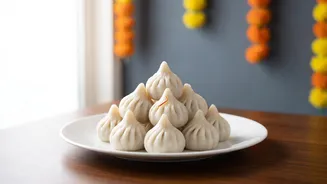
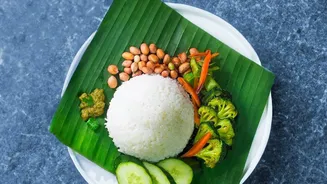
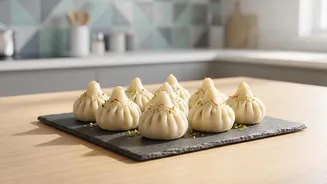
No festival in India is complete without its signature foods, and for Ganesh Chaturthi, that is unequivocally the modak. These sweet dumplings, with an outer shell of steamed rice flour and a filling of fresh grated coconut and jaggery, are considered Lord Ganesha's favourite. Kitchens become bustling hubs of activity as family members gather to prepare batches of 'Ukadiche Modak'. Alongside modaks, other festive savouries and sweets like ladoos, karanji, and a simple but essential dish of varan bhaat (dal and rice) are prepared as 'naivedyam' or offerings. All food offered to the deity is prepared without onion or garlic.
Daily Rituals and Joyful Gatherings
With the 'sthapana' (installation) of the idol on the first day, the household settles into a festive routine. For the next one-and-a-half, five, seven, or ten days, life revolves around Bappa. The mornings and evenings are marked by the 'aarti', a ceremony of worship involving devotional songs, the ringing of bells, and the offering of light from a camphor flame. It's a time for family to come together, sing in unison, and share in the spiritual energy. Homes are filled with the sounds of prayer and the chatter of visiting friends and relatives who come for 'darshan' and to share the 'prasad' (blessed food offerings).