


The Convenience Conundrum
Let's be honest: packaged foods are a lifesaver. From pre-cut vegetables to ready-to-eat dals, they save precious time and effort in the kitchen. For many in India, where life moves at a breakneck pace, these products aren't a luxury but a daily reality.
The common narrative, however, paints all packaged goods with the same unhealthy brush. This creates a confusing dilemma for consumers who are trying to balance convenience with health. The good news is that experts agree we need a more nuanced approach. Ascribing a moral value of 'good' or 'bad' to food can lead to guilt and confusion. The key isn't to eliminate all packaged items, but to understand the spectrum of processing and make informed choices.
Beyond the Box: Understanding Processing
The most effective way to evaluate packaged food is by understanding its level of processing. The NOVA classification system, developed by researchers in Brazil, is a widely used framework that categorizes food into four groups based on how much it has been altered from its natural state. Simply put, any food changed from its original form is 'processed'. This can be as simple as washing and bagging spinach or freezing peas. The crucial distinction lies between minimally processed foods, processed foods, and the category that raises the most health concerns: ultra-processed foods (UPFs). Learning to spot the difference is the most powerful tool a shopper can have.
Green Light: Minimally Processed Foods
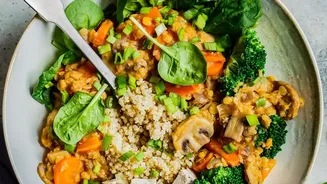
This group includes foods that are altered for preservation but have no added salt, sugar, or fats. Think of items like bagged salads, frozen vegetables, pasteurised milk, plain yogurt, whole grains like oats, and canned beans or chickpeas packed in water. These foods are nutritional powerhouses. Frozen fruits and vegetables, for example, are often picked at peak ripeness and flash-frozen, locking in nutrients that might otherwise be lost during transport and storage of fresh produce. Canned legumes are an excellent, affordable source of protein and fibre. When buying canned goods, you can simply rinse them to reduce sodium. These items are your allies in a healthy, convenient diet.
Yellow Light: Processed Foods
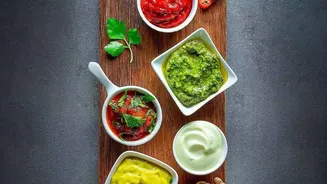
These are foods made by adding ingredients like salt, sugar, or oil to minimally processed foods. Examples include jarred pasta sauces, fruit canned in syrup, some cheeses, and freshly baked bread made from flour, water, salt, and yeast. These foods aren't necessarily 'bad,' but they require a closer look. The purpose of the processing is often to increase shelf life or enhance flavour. When choosing these items, it's wise to check the labels for excessive sodium or added sugars. For instance, choose fruit canned in its own juice instead of heavy syrup. These foods can have a place in a balanced diet but call for mindful consumption.
Red Light: The Ultra-Processed Trap
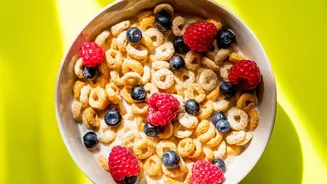
Ultra-processed foods (UPFs) are the category to watch out for. These are not modified foods but industrial formulations made from substances extracted from foods or created in labs. Think instant noodles, packaged cookies and cakes, sugary breakfast cereals, processed meats like sausages, and sweetened carbonated drinks. They are designed to be hyper-palatable, convenient, and have a long shelf life, which encourages overconsumption. High intake of UPFs is consistently linked with adverse health outcomes, including obesity, heart disease, and type 2 diabetes. These products often contain very little intact whole food and a long list of additives like colourings, flavourings, and emulsifiers.
Become a Savvy Shopper
Navigating the grocery aisles is easier than you think. Ignore the splashy claims on the front of the package like 'natural' or 'high-protein', which can be misleading. Instead, flip the packet over and focus on the ingredients list. This is where the truth lies. A practical way to identify a UPF is to look for ingredients you wouldn't use in your own kitchen—things like high-fructose corn syrup, hydrogenated oils, hydrolysed proteins, or emulsifiers like soy lecithin and xanthan gum. If the ingredient list is long and full of unpronounceable chemical names, it's likely ultra-processed. A shorter list with recognizable ingredients is almost always a better choice.