

Beyond the Factory Finish
There’s a tangible change in how people are curating their personal spaces. The focus is moving away from generic, mass-produced items and towards unique, handcrafted pieces that tell a story. This trend isn’t just about aesthetics; it represents a deeper
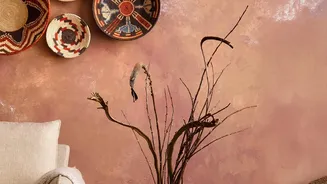
desire for authenticity and individuality in an increasingly uniform world. Homeowners are now actively seeking out decor that carries the mark of its maker—a slightly uneven ceramic bowl, a block-printed textile with minor variations, or a piece of furniture made from reclaimed wood. These items bring a sense of soul and history into a home, creating an environment that feels collected and personal rather than catalogue-perfect.
The Search for Authenticity and Connection
Several factors are driving this embrace of the imperfect. For many, it's a reaction against the flawless, often sterile, imagery that dominates social media. There is a growing appreciation for things that feel real and lived-in. This movement also aligns with a rising consciousness around sustainability and ethical consumption. Choosing a handmade item often means supporting local artisans and preserving generations-old craft traditions, from the woodworkers of Saharanpur to the potters of Jaipur. This ethical dimension adds an emotional weight to the purchase, fostering a connection between the buyer and the maker and ensuring traditional skills continue to thrive in rural economies.
Wabi-Sabi with an Indian Soul
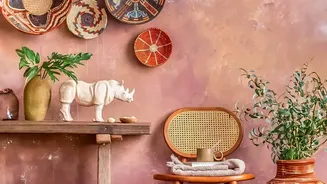
This trend shares its spirit with 'Wabi-Sabi', the Japanese philosophy that finds beauty in imperfection and transience. In India, this concept is being interpreted with a distinct local flavour. It’s not about creating a minimalist Japanese interior, but about blending this philosophy with India’s rich material and colour palette. Think of a modern apartment where clean lines are softened by the rustic texture of a terracotta vase, or a sleek modular kitchen that features hand-painted ceramic tiles. This fusion creates spaces that are both contemporary and deeply rooted in cultural heritage, valuing materials like wood, stone, and metal that age gracefully.
The Stars of the Handcrafted Movement
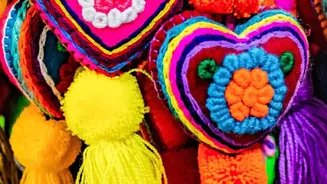
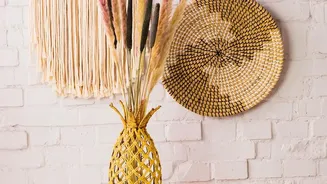
The demand for certain handcrafted items is surging. Textiles are at the forefront, with hand-block printed fabrics from Rajasthan, Kalamkari from Andhra Pradesh, and Kantha embroidery from West Bengal adding texture and colour to homes. In ceramics, the rustic charm of terracotta and the distinctiveness of Jaipur's blue pottery are finding their way into modern kitchens and living rooms. Furniture made from sustainable materials like cane, bamboo, and reclaimed wood is also gaining popularity, prized for its durability and unique character. Even small accents like hand-beaten brass decor and wooden carvings are being used to add a layer of artisanal luxury.
A Mindful Approach to Decor
This trend signifies more than just a fleeting design preference; it points to a more mindful and intentional way of living. It encourages a slower, more considered approach to consumption, where quality and story triumph over quantity and fleeting trends. By choosing items that are made to last and carry personal or cultural significance, people are creating homes that are not just beautiful, but also meaningful. This shift is empowering a new generation of designers and artisans who are finding innovative ways to make traditional crafts relevant for contemporary lifestyles, ensuring their survival for years to come.