


Why Monsoon Demands Extra Caution
The rainy season, or 'Varsha Ritu', significantly impacts our health and digestion. According to Ayurveda, the body's digestive fire, or 'Agni', weakens during this time due to the damp and cool atmosphere. This makes us more susceptible to infections.
The high humidity and moisture in the air allow harmful bacteria, viruses, and fungi like E. coli and Salmonella to multiply rapidly on food surfaces. This increases the risk of food spoilage and common monsoon illnesses such as food poisoning, gastroenteritis, typhoid, and cholera. Contaminated water is another major concern, as heavy rains can cause sewage to mix with water supplies, making it essential to be vigilant about what you eat and drink.
Smart Cooking: Light, Warm, and Fresh
The key to a healthy monsoon diet is to eat meals that are light, warm, and freshly prepared. Heavy, oily, and fried foods can burden a weakened digestive system. Instead, opt for cooking methods like steaming, boiling, and grilling. Ayurveda recommends simple, easy-to-digest meals. A classic and highly recommended dish is Khichdi, made from rice and moong dal. It's nourishing, easy on the stomach, and can be flavoured with digestive spices like turmeric, cumin, and ginger. Warm vegetable soups are another excellent choice. A simple soup made with bottle gourd (lauki) or lentils, seasoned with a pinch of black pepper, can be both comforting and healthy. When cooking vegetables, ensure they are washed thoroughly, preferably in warm water with a bit of salt, to remove germs. It is also advisable to avoid raw salads during this season; if you do have them, steaming the vegetables lightly is a safer bet.
Easy and Safe Monsoon Dishes
Enjoying the rain doesn't mean giving up on delicious food. Moong Dal Cheela or Ragi Chilla are light, protein-rich pancakes perfect for breakfast or a snack. For a comforting lunch, a simple vegetable pulao or steamed momos with a ginger-garlic stuffing can be both safe and satisfying. Pav bhaji, a popular street food, can be made safely at home by ensuring the vegetables are well-cooked and the bread is fresh. Another great option is Poha, which is light and can be prepared quickly. Spices play a crucial role; incorporating ginger, garlic, turmeric, and asafoetida (hing) not only adds flavour but also aids digestion and boosts immunity.
The Golden Rules of Cooling and Storing
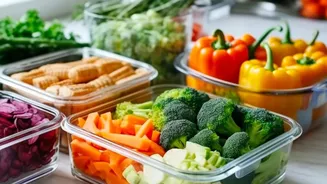
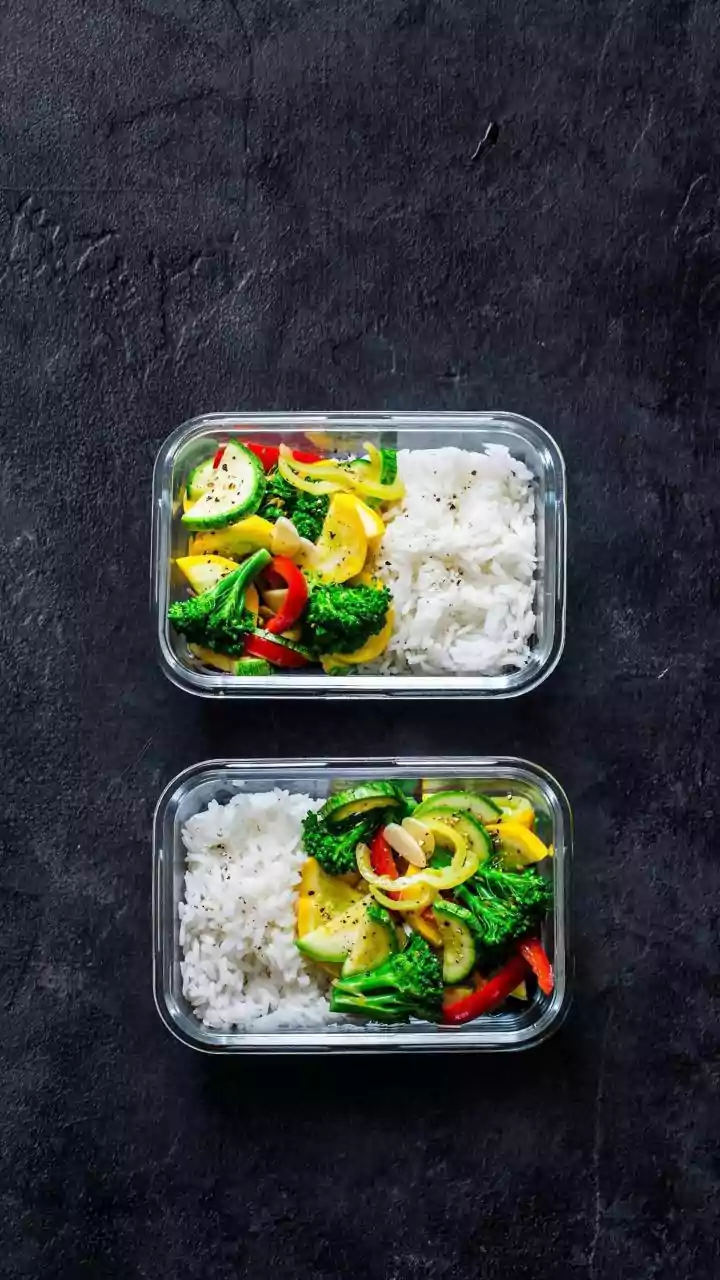
How you cool and store your food is just as important as how you cook it. Allowing freshly cooked food to sit at room temperature for extended periods creates an ideal environment for bacterial growth. To cool food safely, transfer it from the hot cooking pot to a shallow container to increase the surface area and allow it to cool faster. Once it stops steaming and is closer to room temperature, it should be refrigerated promptly, ideally within two hours of cooking. For storage, always use airtight containers. This prevents exposure to moisture and airborne pathogens, keeping food fresh and safe. In the refrigerator, store cooked food and raw ingredients separately to avoid cross-contamination. It’s best to avoid leftovers, but if you do store them, ensure they are refrigerated correctly and reheated thoroughly until steaming hot before consumption.
General Safety and Hygiene Tips
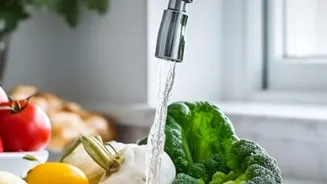
Beyond cooking and storing, maintaining impeccable hygiene is paramount. Always wash your hands thoroughly with soap and water before handling food and before eating. Use clean utensils and keep kitchen surfaces sanitised. When it comes to produce, wash all fruits and vegetables thoroughly under running water. It's wise to avoid pre-cut fruits and vegetables from vendors. Drink only boiled, filtered, or purified water to avoid waterborne diseases. While street food is tempting, it carries a higher risk during the monsoon; if you indulge, choose vendors with high hygiene standards and opt for food that is prepared fresh and served hot.