




Waterproof Your World
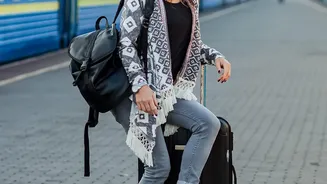
The number one rule for monsoon travel is to protect your belongings from water. Start with your main luggage. While hard-shell suitcases offer good protection, a sturdy backpack or soft-shell bag with a dedicated rain cover is also effective. Inside
your bag, create another layer of defence. Use plastic bags or reusable dry bags to separate clothes. This not only protects them from external water but also isolates any wet clothes you accumulate during your trip. For electronics and important documents like tickets and IDs, dedicated waterproof pouches or even simple zip-lock bags are non-negotiable. A little preparation can save your valuables from irreversible water damage.
Choose the Right Attire
What you wear can significantly impact your comfort. Opt for lightweight, synthetic, and quick-drying fabrics like polyester blends. These materials won't leave you feeling damp for hours if you get caught in a downpour. Avoid heavy fabrics like denim, which take a very long time to dry and can become uncomfortable. Your choice of footwear is crucial for safety. Station platforms and train floors can become extremely slippery. Wear shoes with a strong, anti-skid grip. Waterproof sandals or rubber floaters are excellent choices, but avoid simple flip-flops that can easily slip off. It's also wise to pack an extra pair of socks to change into if your feet get wet.
Pack a Monsoon Health Kit
The rainy season can increase the risk of waterborne and vector-borne diseases. A small, well-stocked health kit is essential. Include basic medicines for fever, cold, cough, and an upset stomach. Antiseptic wipes, hand sanitiser, and mosquito repellent are also must-haves. Given the humidity and potential for wetness, carrying a small microfibre towel is a great idea; they are super absorbent and dry quickly. Staying hydrated is important, so carry a refillable water bottle and consider bringing a water-purifying tablet or a portable filter for emergencies.
Plan for Delays and Power Cuts
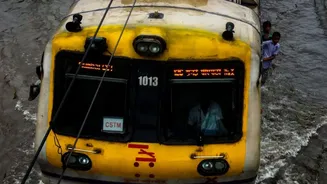
Monsoon rains often lead to waterlogging on tracks and reduced visibility, which can cause significant train delays or even cancellations. Before you leave for the station, always check your train's live running status. Be prepared for the journey to take longer than scheduled. Pack non-perishable snacks like nuts, energy bars, and biscuits to keep hunger at bay. Power cuts can also occur, so a fully charged power bank is a lifesaver for keeping your phone and other devices running. A small torch or a headlamp can also be incredibly useful.
Onboard Comfort and Safety
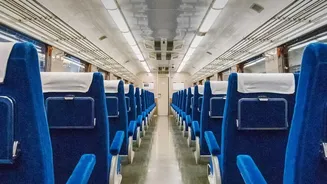
Inside the train, especially in non-AC coaches, constant rain can lead to high humidity and a feeling of dampness. A shawl or light jacket can be useful, even in AC coaches where the air conditioning can feel extra chilly. For hygiene, carrying your own toilet paper and soap is advisable. When it comes to food, be cautious about what you eat. If you are wary of pantry car food during this season, consider ordering from reliable FSSAI-approved vendors that deliver to your seat or packing your own light meals. Finally, always be cautious when standing near the train doors; the floor can be slippery, and sudden jerks are common.