




Your Monsoon Packing Checklist
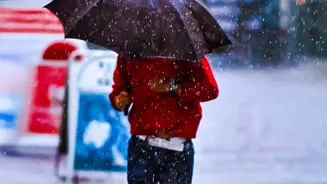
Packing smart is the first step to a successful monsoon trip. Prioritise function over fashion. Opt for lightweight, synthetic, and quick-drying clothes that won't stay damp for days. A reliable, lightweight raincoat is often more practical than an umbrella,
which can be useless against strong winds. Footwear is critical; choose waterproof sandals or boots with a strong grip to navigate slippery surfaces. To protect your valuables, carry a waterproof bag or at least a durable rain cover for your backpack. Ziplock bags or waterproof pouches are inexpensive lifesavers for electronics, documents, and medications. Finally, pack a small first-aid kit with essentials like antiseptic wipes, bandages, pain relievers, and any personal medications.
Strategic Destination Planning
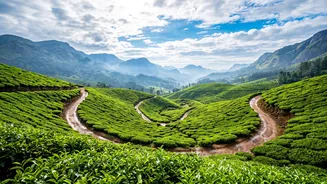
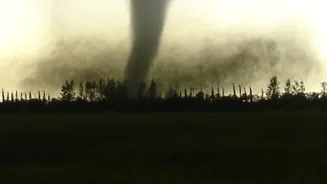
Not all destinations are created equal during the monsoon. While some areas become magical, others pose significant risks. Regions prone to landslides, like parts of the Himalayas, and low-lying areas susceptible to flooding should be approached with extreme caution, especially during heavy rainfall alerts. As of late August 2026, active monsoon conditions are causing disruptions in several regions. Safer bets include well-managed hill stations in the Western Ghats and Nilgiris like Coorg, Munnar, and Ooty, or low-rainfall destinations in Rajasthan such as Udaipur. Rain-shadow regions like Ladakh and Spiti Valley remain almost entirely dry and are ideal for adventure travel during these months. Always check the local weather forecast and road advisories from the India Meteorological Department (IMD) before and during your trip.
Health and Safety Precautions
The monsoon increases the risk of certain health issues. Mosquito-borne diseases like dengue and malaria become more prevalent, so carrying and using a good insect repellent is non-negotiable. Wearing long-sleeved clothing, especially during dawn and dusk, offers an extra layer of protection. Waterborne illnesses are also a concern. Stick to bottled, boiled, or purified water and be wary of street food, particularly uncooked items, that may be prepared with contaminated water. It’s also wise to avoid walking through stagnant water or puddles, which can harbour bacteria and lead to infections like leptospirosis. Keep your hands clean and consider boosting your immunity with a healthy diet rich in Vitamin C.
Navigating Transport Challenges
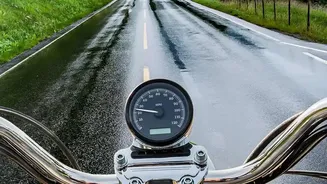
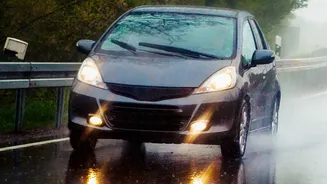
Travel during the monsoon requires patience and flexibility, as delays and disruptions are common. Heavy rains can lead to waterlogged streets, traffic jams, and road closures. If you're driving, ensure your vehicle is in top condition, with functional wipers, brakes, and tyres. Reduce your speed on wet roads, maintain a safe distance from other vehicles, and never attempt to drive through flooded streets where the depth is unknown. For train and air travel, check for schedule changes frequently. It’s a good practice to book flexible tickets and build buffer days into your itinerary to accommodate potential delays without stress. Always have a backup plan in case your primary route becomes impassable.
Embracing the On-Ground Reality
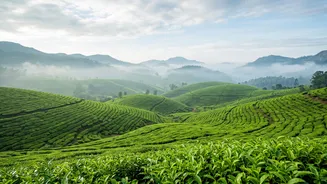
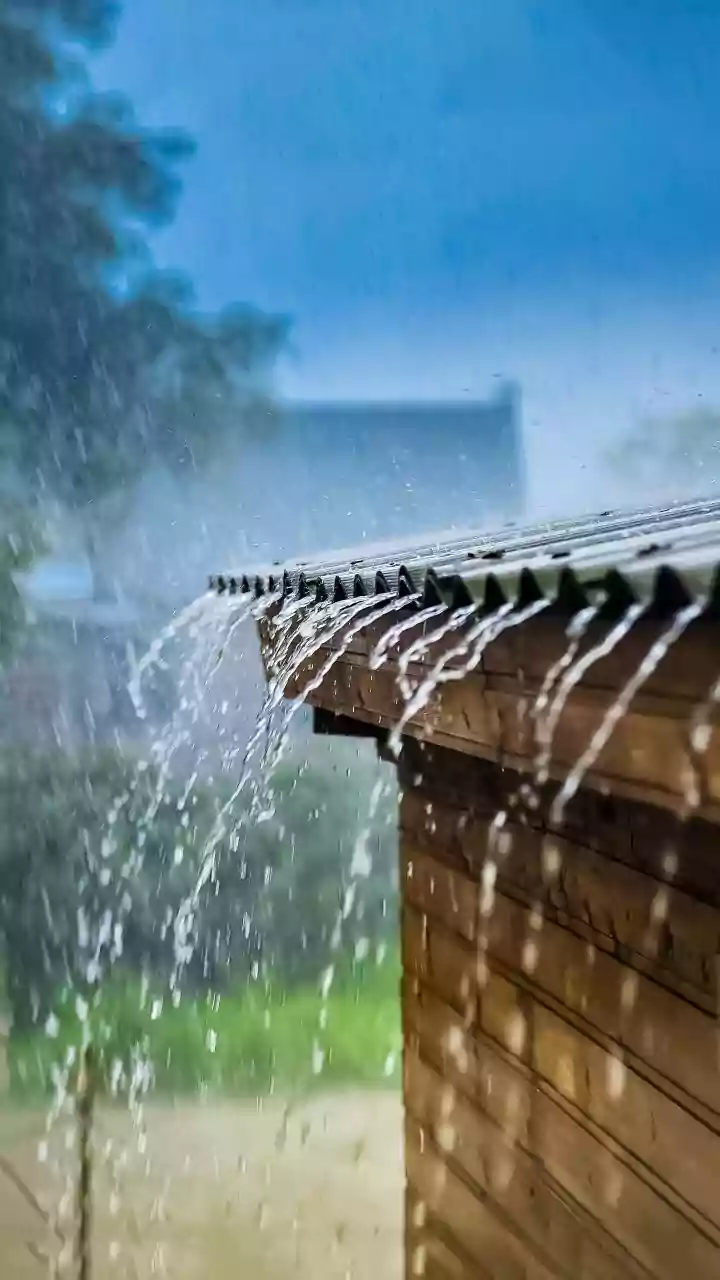
Once you're at your destination, a few practical habits can make a big difference. Humidity can make clothes feel damp even when it’s not raining; a microfibre towel that dries quickly is a great asset. Power cuts can be more frequent, so keeping a flashlight and a fully charged power bank handy is essential. Most importantly, embrace the slower pace that the monsoon dictates. The season is not about rushing between sights but about enjoying the misty mornings, the smell of wet earth, and the lush, green landscapes. A warm cup of chai while watching the rain fall can be one of the most memorable parts of your journey.