


An Antidote to the Impersonal
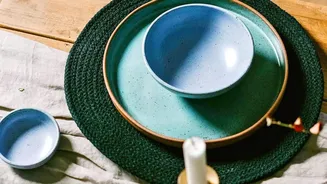
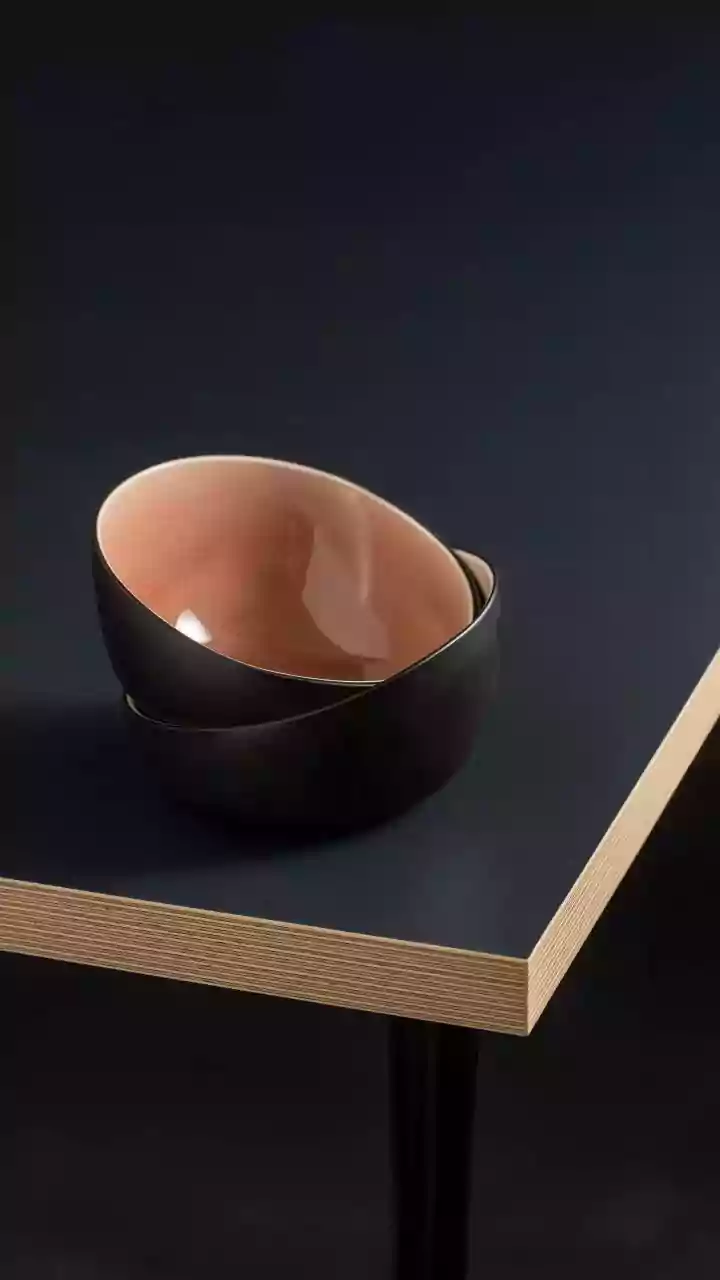
One of the biggest drivers behind the pottery trend is the desire for uniqueness. Unlike items that roll off a factory line by the thousand, each handmade pot, vase, or bowl carries the distinct touch of its creator. These are not just decorative objects;
they are conversation starters, imbued with a story and a sense of human connection. The subtle variations in glaze, the slight asymmetry of a rim, or the feel of the artist's hands on the clay are celebrated as marks of authenticity, not dismissed as imperfections. This uniqueness allows homeowners to curate a space that feels personal and thoughtfully assembled, a direct reflection of their taste rather than a page from a catalogue.
The Rise of Earthy, Natural Aesthetics
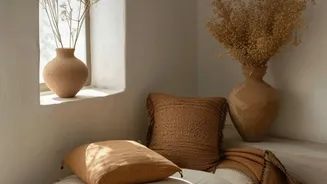
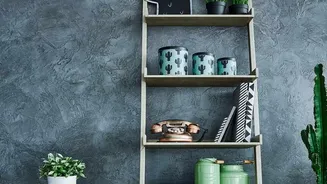
Interior design in recent years has seen a significant shift toward natural materials and earthy colour palettes. Trends like biophilic design, which aims to connect our living spaces with nature, are gaining momentum. Clay, as a fundamental natural material, is central to this movement. Terracotta, stoneware, and earthenware pieces in shades of ochre, sand, and moss green ground a room, providing a sense of calm and stability. They add a much-needed layer of texture and warmth that can soften minimalist spaces and complement more eclectic, bohemian styles. This connection to the natural world is not just aesthetic; it can also promote well-being and reduce stress.
Embracing the Beauty of Imperfection
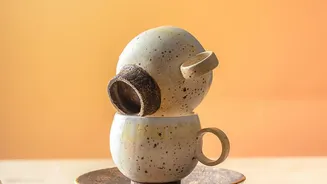
The Japanese philosophy of Wabi-Sabi, which finds beauty in things that are imperfect, impermanent, and incomplete, has found a strong footing in modern Indian homes. Handcrafted pottery is the perfect embodiment of this idea. It encourages an appreciation for items that show signs of life and the human hand. A vase with a crackled glaze or a bowl with an uneven shape tells a story of its creation, making it more interesting and soulful than a flawless, machine-made equivalent. This aesthetic pushes back against the pressure for sterile perfection, creating spaces that feel more relaxed, authentic, and deeply human.
A Conscious and Sustainable Choice
As consumers become more environmentally aware, their purchasing decisions are increasingly influenced by sustainability. Handcrafted pottery is an eco-friendly choice for several reasons. It is made from natural, biodegradable clay. The small-batch production process has a much lower carbon footprint than industrial manufacturing. Furthermore, handmade pieces are built to last, often becoming heirloom items passed down through generations. This durability reduces waste and counters the culture of disposable decor. By choosing to buy from local artisans or small studios, consumers also support traditional craft skills and contribute to a more ethical, mindful economy.
Versatility in Form and Function
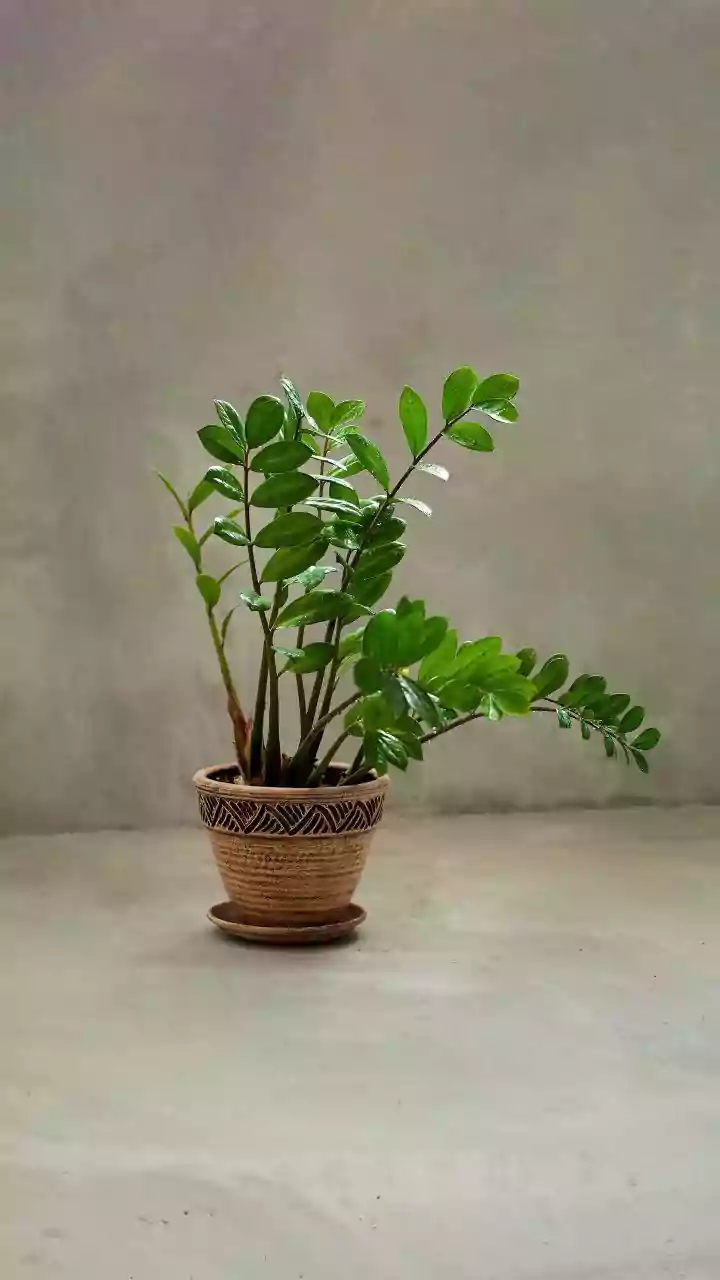
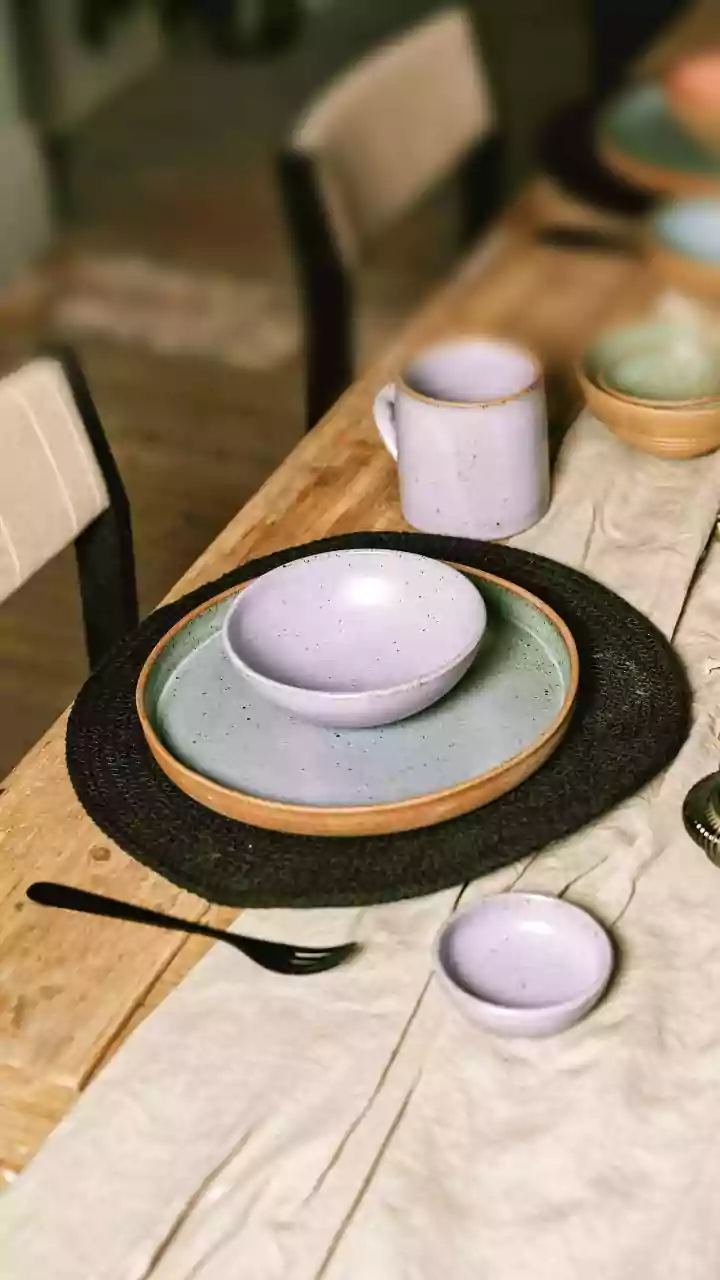
Beyond its beauty, clay pottery is incredibly versatile. It is both artistic and practical, seamlessly blending form and function. A large, sculptural vessel can act as a standalone statement piece in a living room, while a collection of smaller pots can bring life to a windowsill. In the kitchen, handmade mugs, plates, and serving bowls can elevate the simple daily ritual of a meal or a cup of tea into a more special experience. The same piece can serve multiple purposes over time—a planter can become a utensil holder, and a decorative bowl can be used for serving. This multifunctionality adds to its sustainable appeal, allowing people to own fewer, more meaningful items.