



Choose Your Arena: North vs. South
The first rule of Kolkata pandal hopping is to not crisscross the city. Instead, dedicate each outing to a specific zone. The city's Puja landscape is broadly divided into two distinct styles: North and South Kolkata. North Kolkata offers a journey into tradition.
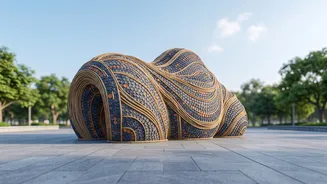
Here, you'll find the 'Bonedi Bari' (ancestral family) pujas and some of the oldest community pandals like Bagbazar Sarbojanin. The lanes are narrower, and the atmosphere is steeped in devotional charm and nostalgia. South Kolkata, on the other hand, is the battleground for extravagant, theme-based pandals. Pujas like Ekdalia Evergreen, Suruchi Sangha, and Tridhara Sammilani are known for their massive scale, artistic innovation, and pop-culture-inspired themes. Decide if you're in the mood for heritage or spectacle, and plan your day accordingly. Trying to do both in one evening will only lead to traffic-induced frustration.
Master the Metro: Your Best Bet for Transport
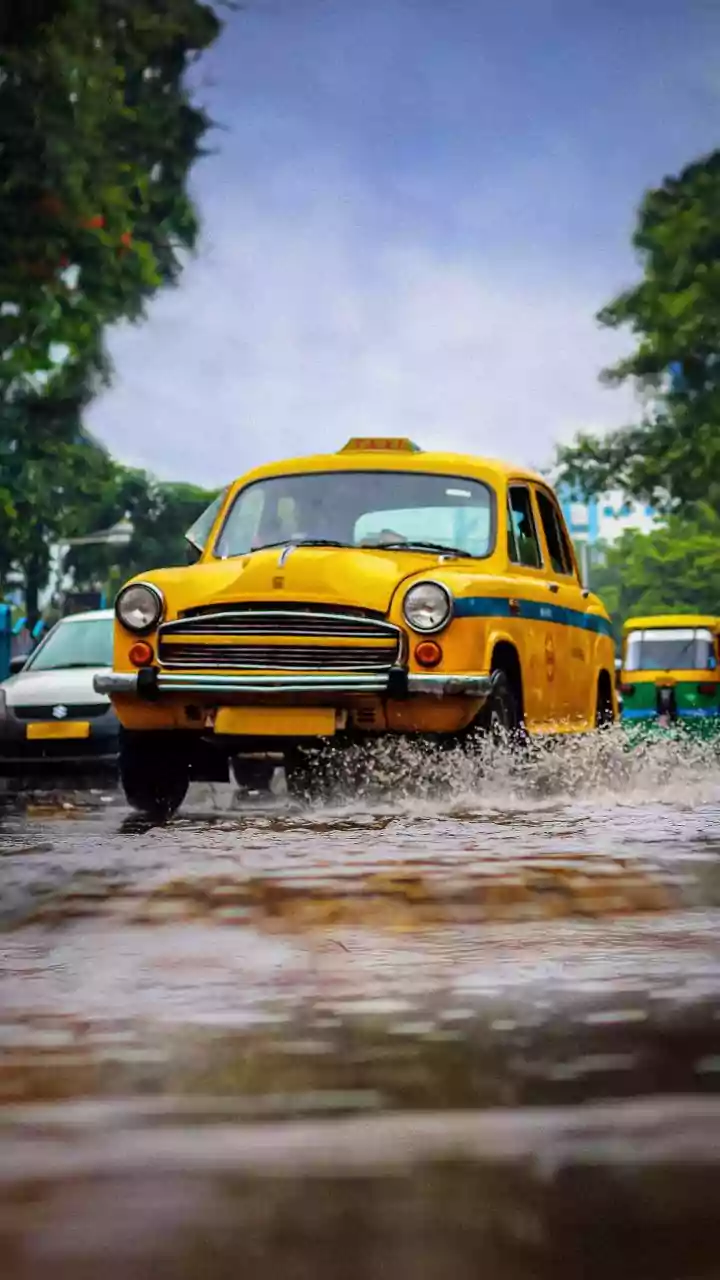
During the Puja days, from around Panchami (October 15, 2026) onwards, many roads around major pandals become pedestrian-only in the evenings. Driving or relying solely on cabs is a recipe for disaster. Your undisputed champion for navigating the city is the Kolkata Metro. It's the fastest way to cover long distances between North, South, and Central zones. Ahead of the 2026 Puja, Metro Railway has already announced additional weekend services on October 3, 4, 10, and 11 to manage the pre-festival shopping rush. Special all-night services are typically run on the main Puja days (Saptami through Navami), making late-night pandal hopping feasible. Plan your route by identifying the nearest Metro station to a cluster of pandals. For example, Shyambazar station is the gateway to North Kolkata's giants like Bagbazar, while Kalighat and Rabindra Sarobar stations serve many South Kolkata highlights.
Group Pandals by Geography
Once you've chosen your zone and transport, group pandals into walkable clusters. For a South Kolkata tour, you could start at Kalighat Metro and visit Suruchi Sangha, then move towards the Gariahat area for Ekdalia Evergreen, Singhi Park, and Ballygunge Cultural Association. Similarly, a North Kolkata route could begin from Sovabazar Sutanuti Metro station, covering Kumartuli Park, Sovabazar Rajbari, and the iconic Bagbazar Sarbojanin. Many online guides and apps now provide pandal maps organised by Metro stops. Use these resources to create a logical sequence. The idea is to exit a Metro station and cover three to four major pandals on foot before taking another train to your next cluster. This minimises your time spent on the road and maximises your pandal count.
Time Your Visit to Avoid Peak Crowds
The secret to a pleasant pandal hopping experience lies in timing. The crowds are most predictable: they build from the afternoon and peak between 8 PM and midnight, especially on Maha Ashtami (October 19, 2026). The quietest times to visit are early in the morning (around 8 AM to 11 AM) or very late at night (after 1 AM). Many of the largest pandals are open 24/7 during the main festival days, and seeing them illuminated with minimal crowds in the wee hours is a magical experience. If you can, try to visit the most famous pandals on weekdays like Shashthi (October 16, 2026) or Saptami (October 17, 2026), as the weekend brings an exponential surge in visitors.
Final Preparations Before You Leave
Before you step out, a few final checks can make all the difference. Wear extremely comfortable footwear, as you will be walking for several kilometres. Carry a water bottle to stay hydrated and a power bank for your phone, which will be your navigator and camera. Kolkata Police often releases traffic advisories and crowd management plans just before the festival, including maps with one-way routes and designated entry/exit points for major pandals. It's wise to check their official social media channels for the latest updates. Finally, don't forget to indulge in the street food that springs up around every pandal—it's an essential part of the Puja experience. From phuchka to kathi rolls, grazing between stops is a tradition in itself.