






The Golden Spice: Turmeric
Turmeric, or haldi, is a cornerstone of Indian cooking for a reason, especially during the monsoon. Its power lies in curcumin, a compound with potent anti-inflammatory and antioxidant properties. This makes it invaluable for fighting off the common infections
that thrive in the damp weather. Ayurveda has long valued turmeric as a natural immunity booster. A daily dose can help trigger your immune cells to combat harmful pathogens, making it a simple yet effective shield against seasonal illnesses like colds and flu. Incorporating it is easy: add a pinch to your daily dal and vegetable curries, or drink a warm glass of turmeric milk before bed for a soothing, protective ritual.
A Zesty Shield: Ginger
Ginger is another kitchen staple that truly shines during the rainy season. Known for its sharp, aromatic flavour, it is a powerful aid for digestion, which can often become sluggish during this time. According to Ayurvedic principles, ginger helps kindle the digestive fire, or 'Agni', preventing issues like bloating and indigestion. It is also famously effective against coughs and sore throats, making it a first line of defense when you feel a cold coming on. The best way to enjoy its benefits is through a freshly brewed cup of ginger tea, sweetened with a drop of honey. You can also grate it into soups, stews, and curries to add warmth and a wealth of health benefits to your meals.
The Comfort Lentil: Moong Dal
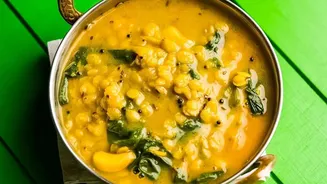
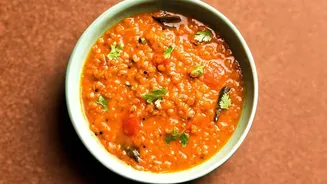
When it comes to monsoon comfort food, nothing beats the simplicity and wholesomeness of moong dal. This humble lentil is celebrated in Ayurveda for being incredibly light and easy to digest, which is crucial when the digestive system is naturally weaker. Unlike heavier dals, moong doesn't tax the gut, making it an ideal choice for a nourishing meal. It provides a good source of protein and essential nutrients without feeling heavy. The most classic monsoon preparation is khichdi, a one-pot meal of rice and moong dal, often seasoned with turmeric and ginger. A simple moong dal soup is another excellent option for a light, warm dinner on a rainy evening.
Go Green with Gourds
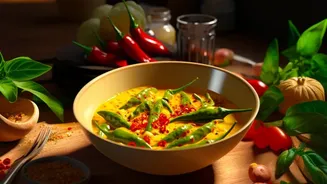
While leafy green vegetables are often avoided during the monsoon due to the risk of contamination, gourds become a kitchen hero. Vegetables like bottle gourd (lauki), ridge gourd (turai), and snake gourd are highly recommended. These vegetables have high water content and are rich in dietary fibre, which helps in maintaining a healthy digestive tract. They are also light on the stomach and easy to cook. Their subtle flavours make them versatile for various dishes, from simple stir-fried subzis to comforting soups and even additions to dal. They provide essential nutrients without overburdening the digestive system, making them a safe and healthy choice for daily meals.
Immunity-Boosting Seasonal Fruits
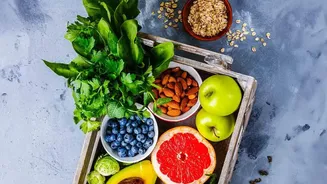
While it's wise to be cautious with raw foods, certain seasonal fruits are perfect for boosting immunity during the monsoon. Jamun (black plum), plums, and pomegranates are excellent choices. Jamun, in particular, is a monsoon superfruit known for its rich vitamin C and antioxidant content, which helps fight infections. Pomegranates are also packed with nutrients that help increase the body's production of red blood cells. Fruits like apples and pears are also good, as their fibre content aids digestion. The key is to ensure they are washed thoroughly with clean water before consumption. Eating them fresh provides a burst of vitamins that can keep your body's defenses strong throughout the season.