


A Taste of Tradition and Health
The return to earthen cookware is driven by a collective nostalgia for simpler times and a growing consciousness around health and wellness. For generations, Indian families trusted clay pots for their ability to cook food that was both nutritious and flavourful.
The science behind it is simple yet effective. Clay is naturally porous, allowing heat and moisture to circulate evenly throughout the pot. This slow, gentle cooking process helps retain the vitamins and minerals in the food, which can be lost with high-heat metal cookware. Furthermore, clay is alkaline in nature, which helps to neutralise the pH balance of acidic ingredients like tomatoes, making food easier to digest and imparting a subtle, natural sweetness. Cooking in clay also requires less oil, as the pot's ability to retain steam keeps food moist and tender, a significant advantage for health-conscious urbanites.
Not Your Grandmother’s Handi
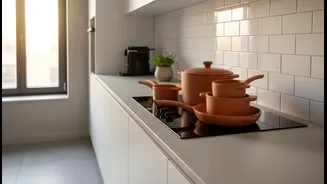
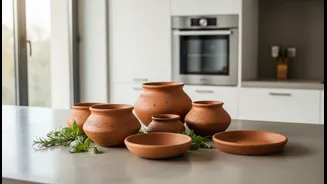
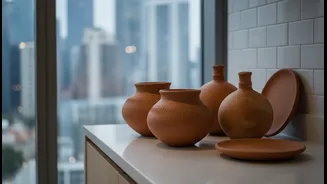
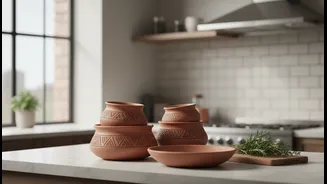
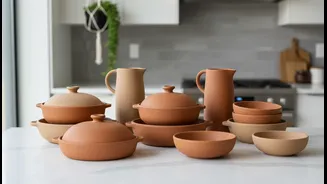
What makes this trend new is the design intervention by artisan collectives and design teams, particularly from Rajasthan. While traditional terracotta is often rustic and bulky, the modernised versions are reimagined for contemporary aesthetics and functionality. These are not just simple pots but thoughtfully designed cookware collections. Many now feature lead-free, non-toxic glazes on the inside for easier cleaning, while leaving the exterior unglazed to retain its earthy charm and health benefits. Shapes are evolving too. Beyond the classic handi, designers are creating terracotta pans, tagines, biryani pots, and even kettles suited for a variety of modern Indian dishes. The forms are sleeker, with ergonomic handles and lids that fit snugly, blending the rustic appeal of clay with the clean lines of modern design.
Designed for the Compact Metro Kitchen
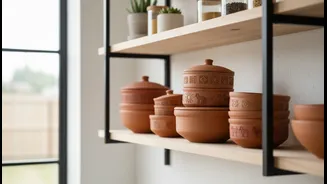
Perhaps the most crucial innovation is the focus on space efficiency. Life in a metropolitan apartment often means dealing with a compact kitchen where every inch of cabinet space is precious. Traditional earthenware, with its often irregular shapes and sizes, is a storage nightmare. Recognising this, Rajasthan's design teams are creating cookware that is stackable. Sets of kadais or serving bowls are designed to nest within each other, drastically reducing their storage footprint. This focus on multi-functionality and modularity is a direct response to the needs of the urban consumer, who seeks products that are both beautiful and practical. This clever design allows city dwellers to enjoy the benefits of traditional cooking without sacrificing convenience or cluttering their minimalist kitchens.
A Renaissance for Rajasthani Craft
This trend is more than just a kitchen fad; it's part of a larger cultural and economic revival for artisan communities. Rajasthan has several hubs of terracotta craft, such as Molela and Pokaran, each with a unique heritage. For years, many of these skilled artisans struggled as mass-produced metal and plastic cookware dominated the market. The rising demand for modernised terracotta is creating a sustainable livelihood and renewed pride in their ancestral craft. Design-led initiatives are connecting these artisans directly with the urban market, ensuring they receive fair value for their skill. By adapting their timeless techniques for a new generation, these craftspeople are not just selling a product; they are preserving a vital piece of India's cultural heritage.