

A Return to Regional Roots
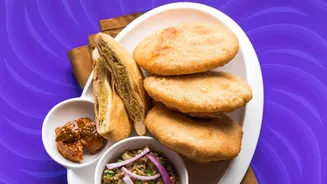
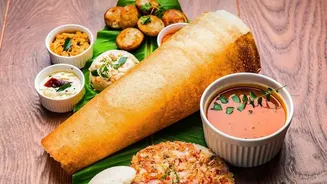
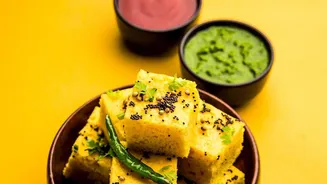
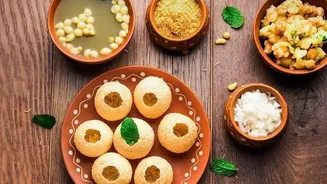
For years, the perception of Indian food, both at home and abroad, was limited to a handful of North Indian staples like butter chicken and naan. That era is decisively over. A powerful movement is underway to rediscover and celebrate the vast diversity
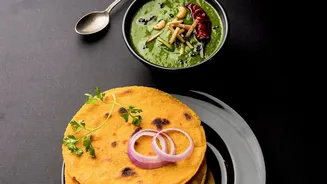
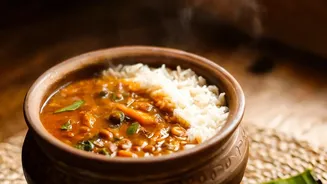
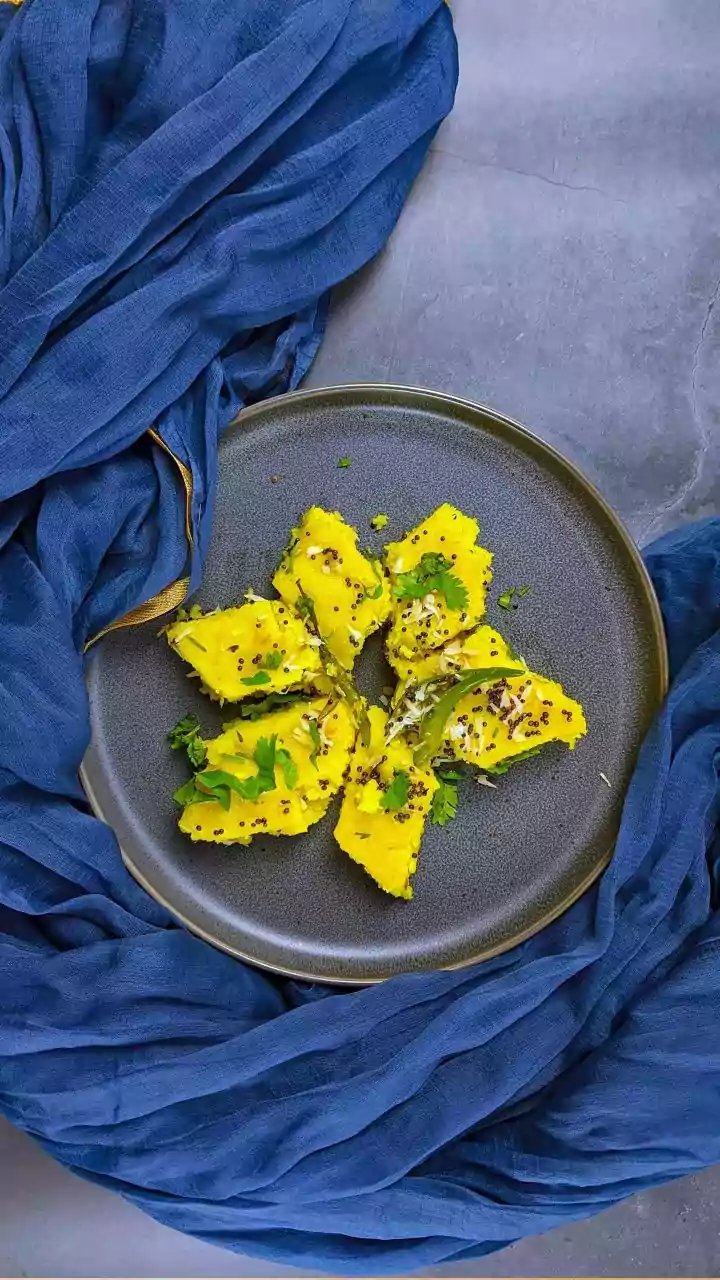
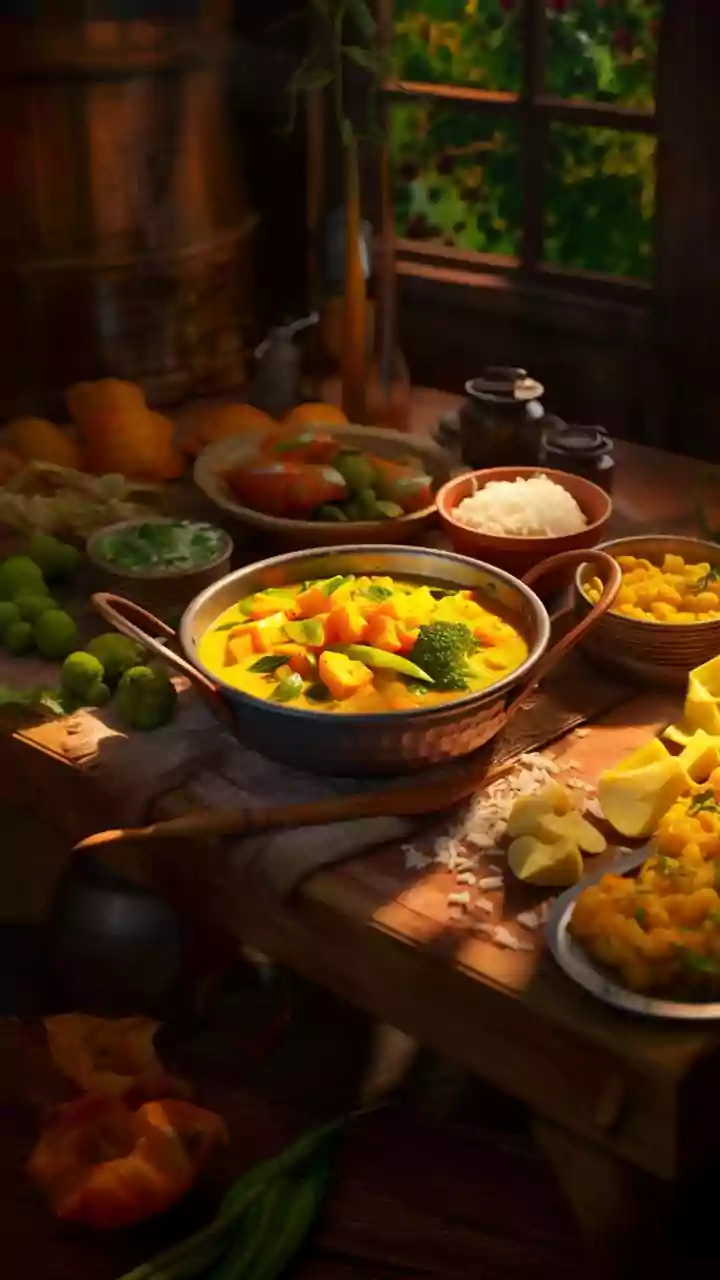
of India's regional cuisines. Diners and chefs are now championing dishes and ingredients from previously overlooked parts of the country. Cuisines from Nagaland, with its smoked meats and fermented soybeans, and Kerala, with its coconut-based curries, are moving from home kitchens into the spotlight of fine dining. This is more than just a trend; it's a movement to preserve culinary heritage, with chefs and food writers archiving dying recipes and highlighting hyperlocal ingredients that define a community's identity.
The Hyperlocal Ingredient Takes Centre Stage
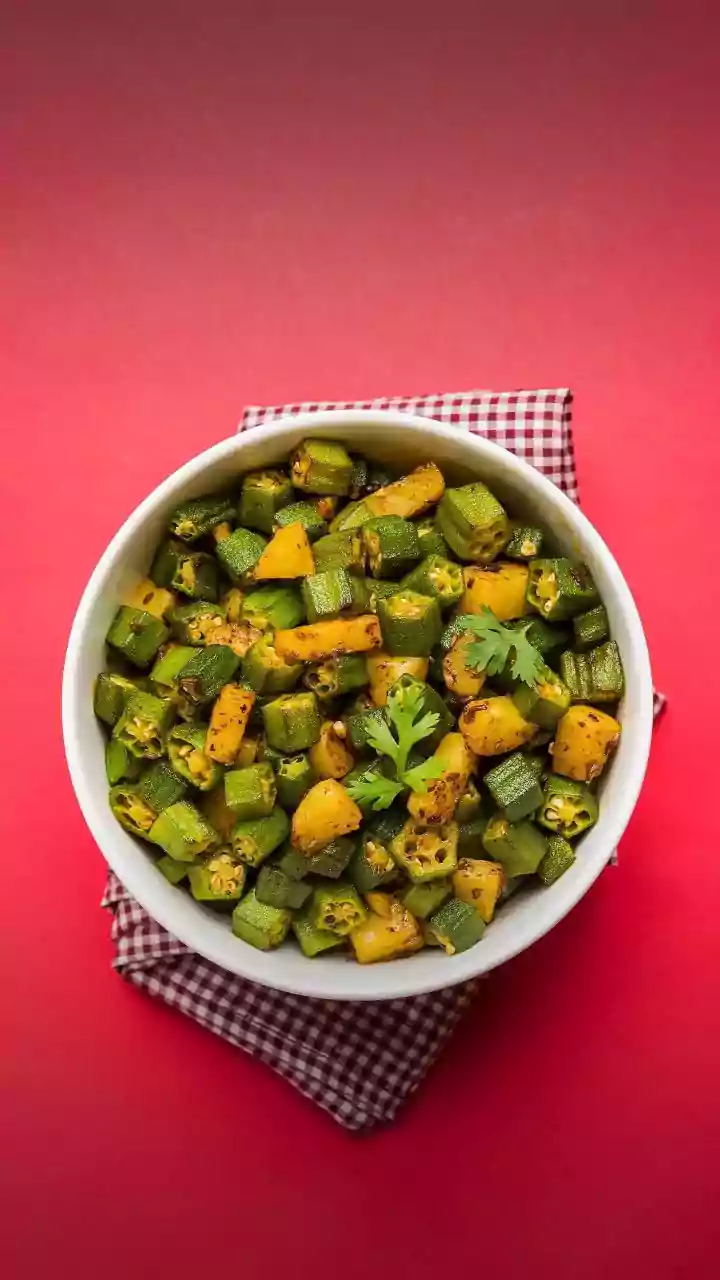
Driving this regional revival is a focus on 'hyperlocal' sourcing. A new generation of chefs is building menus around ingredients that are unique to a specific micro-region, from foraged vegetables and ancient grains to indigenous chillies and artisanal cheeses. Restaurants like Masque in Mumbai and Hosa in Goa are crafting innovative dishes that are deeply rooted in their local terroir. This ingredient-led approach means menus change seasonally, reflecting the natural bounty of the region and fostering direct relationships with local farmers and producers. The result is a dining experience that tells a story of a place and its people, moving beyond generic labels to offer a true taste of India's biodiversity.
Embracing the World on a Plate
Simultaneously, Indian palates are becoming more adventurous and global. While Indo-Chinese food has long been a beloved staple, the current wave of interest goes far beyond. Driven by cultural exposure through K-dramas and pop music, Korean cuisine has seen a massive surge in popularity, especially among Gen Z and millennials. Restaurants offering authentic Korean BBQ, ramen, and kimchi are flourishing in metro and even Tier-2 cities. Alongside Korean food, Japanese, Vietnamese, and Mexican cuisines are also finding a growing and appreciative audience, with diners seeking out everything from authentic sushi to spicy tacos.
The Forces Driving This Dual Trend
What explains this simultaneous dive into both regional identity and global flavours? A major catalyst is social media. Platforms like Instagram have become powerful tools for food discovery, allowing users to find new restaurants, learn about lesser-known regional dishes from food bloggers, and get exposed to global trends. Food influencers have been instrumental in reviving interest in traditional recipes and creating buzz around international cuisines. This digital exposure, combined with a growing middle class with more disposable income and a curiosity fueled by global travel and entertainment, has created a generation of diners eager for new and authentic experiences.
Chefs as Curators and Storytellers
At the heart of this evolution are India's chefs, who are acting as both culinary historians and modern innovators. Many are travelling to remote villages to learn from home cooks and document fading traditions, ensuring these flavours are not lost. Others are applying global techniques to Indian ingredients, creating exciting fusion dishes that bridge cultures. For instance, a chef might use a classic French technique to prepare a regional vegetable or blend GI-tagged Indian ingredients into a globally inspired format. They are moving beyond simply cooking to become storytellers, crafting menus that celebrate heritage while pushing the boundaries of what Indian food can be.