




A Predictable Surge
The festive season in India, particularly from Dussehra through Diwali, triggers one of the largest short-term human migrations on the planet. Millions leave their cities of work to reconnect with family in their hometowns. This annual exodus is a cornerstone
of cultural life, but it presents a monumental logistical challenge. The demand for train tickets and space on buses and highways skyrockets, creating a predictable yet intense strain on the entire transport ecosystem. For authorities, preparing for this period is a year-round activity that culminates in a massive, coordinated effort across multiple agencies to ensure that millions of people can travel safely and, ideally, without significant hassle. The planning begins months in advance, with railway and transport departments anticipating choke points and high-demand routes.
Indian Railways: The Festival Lifeline
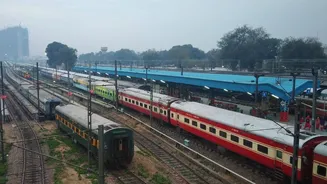
Indian Railways remains the backbone of festive travel, and its main strategy revolves around increasing capacity. For the 2026 Diwali season, which falls on November 8, bookings opened as early as September 6, following the 60-day advance reservation period. To manage the immense demand, the railways announce hundreds of 'Festival Special' trains. For instance, Northern Railway has already announced numerous special services for 2026, including dozens of trips on high-demand routes like Varanasi-Delhi, Ayodhya-Anand Vihar, and Chandigarh-Patna, running through October and November. These special trains are often deployed on the busiest corridors connecting major metros to states like Uttar Pradesh, Bihar, and Punjab. Beyond just adding trains, railways also focus on crowd management at major stations by creating holding areas for unreserved passengers, deploying additional security personnel, and setting up extra ticket counters to prevent chaos.
On the Roads: Managing Highway Traffic
While trains handle a huge chunk of the traffic, India's national highways see an equally dramatic surge in cars and buses. The National Highways Authority of India (NHAI) and state public works departments coordinate to ensure smoother transit. This includes deploying additional patrol vehicles and recovery vans to quickly clear any breakdowns or accidents. On chronically congested routes like the Mumbai-Goa highway, authorities undertake special preparations, such as repairing alternative routes and planning for temporary facility centres with water and medical aid. A major focus is reducing bottlenecks at toll plazas, a common source of frustration during peak travel times. The increasing adoption of FASTag and trials of barrier-free tolling systems using Automatic Number Plate Recognition (ANPR) are aimed at allowing vehicles to pass through without stopping, a measure that could significantly cut down on travel time during the festive rush.
State Buses and City-Level Coordination
State Road Transport Corporations are crucial in providing last-mile connectivity and catering to passengers who couldn't secure train tickets. Ahead of festivals like Ganesh Chaturthi, Raksha Bandhan, and Diwali, states announce thousands of extra bus services. For Ganeshotsav 2026, the Maharashtra State Road Transport Corporation (MSRTC) planned to run over 5,000 additional buses to the Konkan region. Similarly, Uttar Pradesh's transport corporation regularly deploys extra buses on high-demand routes from Delhi and Lucknow towards the eastern parts of the state. Within cities, the preparations are just as vital. Local traffic police work to manage congestion around major railway stations and inter-state bus terminals (ISBTs). Metro services in cities like Pune often increase their frequency during festivals to handle the local travel surge. This coordination between national railways, highway authorities, state transport, and local city administration is the invisible machinery that keeps India moving during its most festive times.