


Sattu: The Desi Superfood
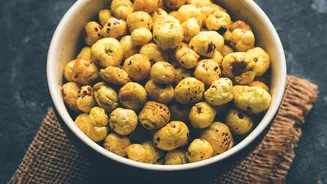
For generations, sattu has been a staple in Indian households, especially in regions like Bihar, Jharkhand, and Punjab. Made from roasted Bengal gram (chana), it’s a powerhouse of nutrients. Sattu is celebrated for its high content of plant-based protein,
typically offering 20-25 grams of protein per 100-gram serving. Beyond protein, it's loaded with dietary fibre, complex carbohydrates, and essential minerals like iron, magnesium, and calcium. Its low glycemic index ensures a slow and steady release of energy, preventing the sugar crashes associated with many post-workout snacks. This nutritional profile makes it an excellent, affordable, and natural alternative to commercial protein powders.
Why Protein is Crucial for Recovery
Every time you engage in strenuous exercise, your muscle fibres experience tiny micro-tears. This is a natural part of building stronger muscles, but your body needs the right tools to heal them effectively. Protein provides these tools in the form of amino acids, which are the fundamental building blocks for muscle repair and growth. Consuming an adequate amount of protein after a workout helps to kickstart muscle protein synthesis—the process of repairing those tears and building new muscle tissue. This not only helps you get stronger but also reduces the duration and severity of delayed onset muscle soreness (DOMS), allowing you to get back to your training regimen faster.
The Perfect Sattu Smoothie Bowl Base
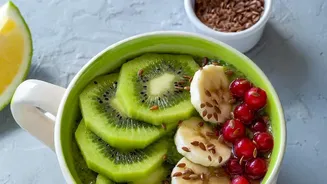
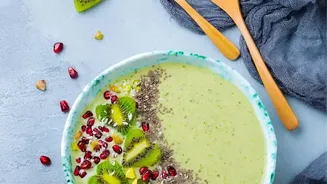
Creating a delicious and effective sattu smoothie bowl is simple. The key is to get the right balance of protein, carbohydrates, and healthy fats. The sattu provides the protein, while fruits add natural sugars (carbohydrates) to replenish your depleted glycogen stores. Here’s a basic formula to get you started: - Sattu: 3-4 tablespoons (provides a solid protein base). - Liquid: 1 cup of milk, almond milk, oat milk, or even just cold water. - Frozen Fruit: 1 cup of frozen banana, berries, or mango for thickness and natural sweetness. - Natural Sweetener (Optional): 1-2 dates or a teaspoon of honey or jaggery, if needed. Simply combine all ingredients in a blender and blend until smooth and thick. The frozen fruit is essential for achieving that spoonable, ice-cream-like consistency that defines a great smoothie bowl.
Recipe 1: The Classic Energiser Bowl
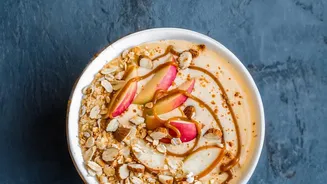
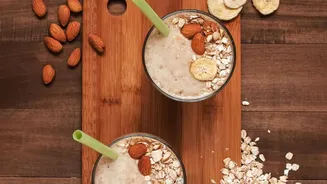
This recipe is perfect for a quick energy boost and sustained fullness. The combination of banana and dates provides quick-burning carbohydrates to replenish energy stores, while the nuts add healthy fats and extra texture. Ingredients: - 3 tablespoons Sattu powder - 1 frozen banana, chopped - 2 soft dates, pitted - 1 cup cold milk (dairy or plant-based) - A handful of almonds or walnuts - A pinch of cardamom powder Method: Blend the sattu, frozen banana, dates, and milk until completely smooth. Pour into a bowl and top with chopped almonds or walnuts. The cardamom adds a traditional, aromatic touch that pairs beautifully with the earthy flavour of sattu.
Recipe 2: The Berry Antioxidant Blast
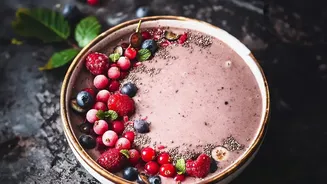
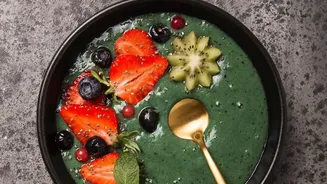
Berries are packed with antioxidants, which help fight inflammation in the body—a common side effect of intense exercise. This bowl is both refreshing and incredibly beneficial for recovery. Ingredients: - 3 tablespoons Sattu powder - 1 cup frozen mixed berries (strawberries, blueberries, raspberries) - 1/2 frozen banana (for creaminess) - 1 cup curd or Greek yogurt for an extra protein kick - 1 tablespoon chia seeds Method: Blend the sattu, frozen berries, half banana, and yogurt until thick and creamy. You may need to stop and scrape down the sides of the blender. Pour into a bowl and stir in the chia seeds, letting them sit for a couple of minutes to thicken slightly. Top with a few extra berries before serving.
Customise Your Creation
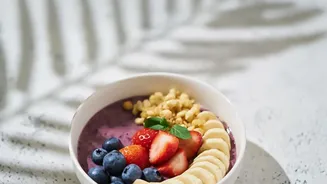
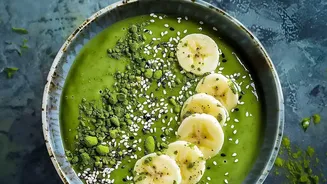
The beauty of smoothie bowls lies in their versatility. Don’t be afraid to experiment with different ingredients and toppings. For extra protein and healthy fats, consider adding a spoonful of peanut or almond butter. Toppings like pumpkin seeds, sunflower seeds, granola, and fresh fruit not only add nutritional value but also provide a satisfying crunch. You can also add a handful of spinach for extra micronutrients without significantly altering the taste. Adjust the amount of liquid to achieve your desired consistency—less for a thick, scoopable bowl and more for a drinkable smoothie.