


Why Monsoon Is a Danger Zone for Food
The combination of warmth and moisture in the air during the rainy season dramatically accelerates the growth of microorganisms like bacteria and fungi. Food that might last for days in drier weather can spoil in a matter of hours. Bacteria such as E.
coli and Salmonella thrive in these humid conditions, increasing the risk of food poisoning, gastroenteritis, and other stomach infections. This is why you cannot rely on your usual food storage habits; the monsoon demands extra caution.
The Clock Is Ticking: Revised Timelines
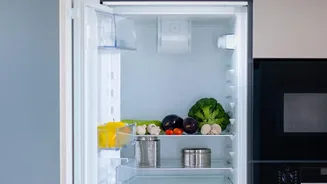
A standard food safety guideline is the 'two-hour rule': don't leave perishable food at room temperature for more than two hours. However, during the humid monsoon, this window shrinks considerably. Experts advise that cooked food should be refrigerated within one hour. Frequent power cuts, a common issue during this season, can further compromise the temperature inside your fridge, making prompt storage even more critical. An ideal fridge temperature should be at or below 4°C.
How Long Specific Indian Foods Last
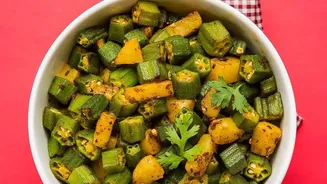
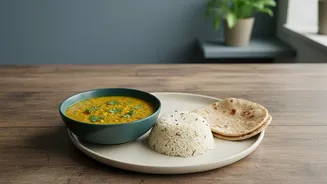
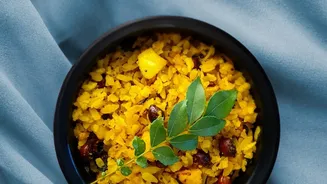
Not all leftovers are created equal. Here are some monsoon-specific storage estimates for common Indian dishes, assuming proper refrigeration at 4°C: Cooked Rice and Khichdi: These are particularly high-risk. Due to the potential for Bacillus cereus bacteria to multiply, they should be consumed within 18 to 24 hours at most. Never leave cooked rice out for more than an hour in humid weather. Dal and Lentil Curries: These can typically be stored for 18 to 24 hours. If your fridge runs warmer, this time shortens, so aim to finish them sooner. Vegetable Sabzis and Curries: Cooked vegetables generally last a bit longer, around 24 to 36 hours. Rotis and Chapatis: Plain rotis can last for about 12 to 18 hours in the fridge before they become dry or start to spoil.
Beyond the Sniff Test: Spotting Spoilage
Relying on a bad smell to detect spoilage is a common mistake, as many harmful bacteria don't produce a noticeable odour until their population is dangerously high. Instead, look for other warning signs. A change in texture, such as cooked rice feeling sticky or vegetables developing a slimy film, is a major red flag. Also, watch for any unusual discolouration, the appearance of white patches, or any cloudiness in the liquid around the food. For dals and curries, if you see any bubbling or taste a slight sourness, discard the food immediately.
Smart Storage for a Safer Monsoon
Proper storage is your best defence. Always use clean, dry, airtight containers to store leftovers. This prevents moisture and airborne contaminants from getting in. Glass containers are often better than plastic as they are less porous. For large quantities of food like a pot of stew or dal, divide it into smaller, shallow containers before refrigerating. This helps the food cool down much faster, moving it quickly out of the temperature 'danger zone' where bacteria multiply rapidly. Finally, make it a habit to label your containers with the date to keep track of how old the food is.