




The End of an Era for the ISS
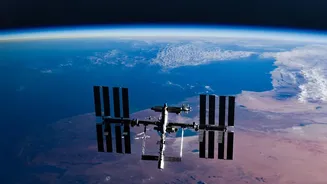
The International Space Station is one of modern history's greatest engineering marvels, a symbol of global cooperation that has hosted astronauts from 26 countries since 2000. However, the orbiting laboratory is aging. After decades of continuous operation,
structural fatigue, rising maintenance costs, and the harsh environment of space have taken their toll. NASA and its international partners have committed to operating the station until 2030, after which it will be carefully deorbited to crash into a remote part of the Pacific Ocean. The retirement isn't a failure but a planned transition. The question is no longer if the ISS will retire, but what comes next and who will build it. The answer represents a fundamental shift in how humanity operates in space.
A Strategic Shift: From Landlord to Tenant
Instead of building a new government-owned station, NASA is changing its business model. Through its Commercial Low-Earth Orbit Destinations (CLD) program, the agency is fostering the development of private space stations. The strategy is simple: NASA will transition from being the owner and operator of a home in orbit to becoming one of many customers renting services from commercial providers. This public-private partnership model was successfully pioneered with the Commercial Crew and Cargo programs, which use private companies like SpaceX to transport astronauts and supplies to the ISS at a lower cost. By becoming a customer, NASA aims to save taxpayer money, spur a competitive commercial market in low-Earth orbit, and free up its own resources for more ambitious goals.
The Rise of Commercial Space Destinations
Several private companies are now in a race to build the successors to the ISS. Axiom Space, which has already flown private astronaut missions to the station, is building modules that will first attach to the ISS before detaching to form a free-flying commercial outpost. Other major players include Vast, which aims to launch its Haven-1 station as early as 2027; Starlab, a joint venture between Voyager Space and Airbus; and Blue Origin's Orbital Reef concept, envisioned as a "mixed-use business park" in space. NASA has provided initial funding through its CLD program to help these companies mature their designs, with the goal of having at least one commercial station operational before the ISS is decommissioned to avoid a gap in U.S. human presence in orbit.
The Benefits of a New Space Economy
This new model promises numerous advantages. For NASA, purchasing services is expected to be significantly cheaper than the billions spent annually to maintain the ISS. This financial freedom allows the agency to concentrate its expertise and budget on deep-space exploration, namely the Artemis program to return humans to the Moon and eventually go to Mars. For the private sector, it opens a new market for activities beyond what the ISS could support, including space tourism, in-space manufacturing of pharmaceuticals and advanced materials, and media production. By serving as a reliable anchor tenant, NASA gives these commercial stations the financial stability needed to attract other customers, from foreign space agencies to private research firms, creating a vibrant and self-sustaining economy in low-Earth orbit.
Navigating the Inevitable Risks
The transition is not without challenges. A primary concern is ensuring there is no gap between the ISS retiring and a commercial replacement being ready. Any delay could mean a temporary loss of U.S. access to a crewed platform in low-Earth orbit. There are also financial risks; the business case for commercial stations is still developing, and they will need to attract a diverse customer base beyond just NASA to be profitable. The technical challenge of building and operating a space station remains immense, requiring flawless execution and robust life-support systems. Despite some course corrections and debate over the best path forward, NASA and industry partners are pushing ahead, betting that the long-term rewards of a commercialized LEO will outweigh the near-term risks.