









The Ache After the Gain
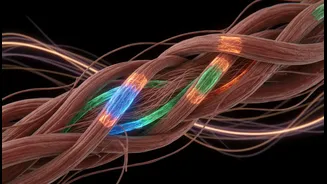
That satisfying-yet-painful stiffness you feel after intense exercise is known as Delayed Onset Muscle Soreness, or DOMS. It's a sign that you've pushed your body to create tiny micro-tears in your muscle fibres. This is a normal part of getting stronger,
as your body repairs these tears and rebuilds the muscles to be more resilient. However, this repair phase often comes with inflammation, stiffness, and reduced mobility. While a day on the sofa might seem tempting, research increasingly shows that active recovery—gentle movement that doesn't strain the body—can be far more effective at managing these symptoms. This is where swimming truly shines, offering a unique environment for your body to heal.
The Power of Buoyancy
The secret to swimming's success as a recovery tool starts with its low-impact nature. When you're in the water, buoyancy supports a significant portion of your body weight—up to 90% when you're submerged to your neck. This near-weightlessness gives your joints, tendons, and ligaments a much-needed break from the constant stress of gravity and high-impact exercises like running or weightlifting. For muscles that are already sore and inflamed, this supportive environment allows for movement without the jarring impact that could cause further strain, making it an ideal setting for gentle, restorative exercise.
A Fluid Path to Flexibility
Joint stiffness is a common complaint during muscle repair. Swimming directly counters this by encouraging a full range of motion in a supportive environment. The water's gentle resistance, combined with its buoyancy, allows you to move your limbs more freely and extensively than you might be able to on land. Strokes like the freestyle and backstroke take your shoulders, hips, and spine through fluid, elongating movements. This dynamic stretching helps maintain and even improve joint flexibility, easing the stiffness associated with DOMS and promoting better overall mobility. Over time, this can lead to a significant increase in your functional range of motion.
Boosting Recovery with Water Pressure
One of the most powerful, yet invisible, benefits of swimming is hydrostatic pressure. This is the pressure the water exerts on your body. It acts like a full-body compression garment, gently squeezing your limbs. This pressure helps reduce swelling and inflammation by pushing fluid away from the affected tissues and back into circulation. Simultaneously, this process enhances blood flow, which is crucial for recovery. Improved circulation means more oxygen and nutrient-rich blood can get to your tired muscles, helping to repair them more efficiently and flush out metabolic waste products that contribute to soreness. Studies have even shown that a recovery swim can lower levels of inflammation markers.
Your Active Recovery Swim Plan
To get the most out of a recovery swim, the goal isn't to set a new personal best. The focus should be on gentle, continuous movement. Aim for a 20 to 30-minute session at a low, relaxed intensity. Focus on long, smooth strokes. Freestyle and backstroke are often recommended as they promote good spinal alignment and stretch the body. The breaststroke can be excellent for hip and knee mobility, but be mindful if you have issues in those areas. Listen to your body; the objective is to leave the pool feeling refreshed and looser, not more exhausted. Even simply treading water or doing gentle leg kicks with a kickboard can provide the benefits of hydrostatic pressure and active recovery.