








What Are Nature-Based Solutions?
At its heart, nature-based farming is about working with natural ecosystems to address challenges like food production, climate change, and biodiversity loss. Instead of relying solely on industrial inputs, this approach uses and enhances natural processes.
Think of practices that have been part of traditional Indian agriculture for centuries, now being validated by scientific study. These methods include restoring soil health, managing water sustainably, and using natural cycles to control pests. The goal is to create farming systems that are not only productive but also resilient and regenerative, capable of meeting today's needs without compromising the resources of future generations. Research increasingly shows these solutions can deliver a 'triple benefit': supporting agricultural production, mitigating climate change, and enhancing biodiversity.
The Power of Healthy Soil: Regenerative Agriculture
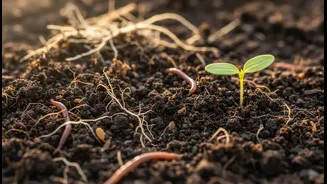
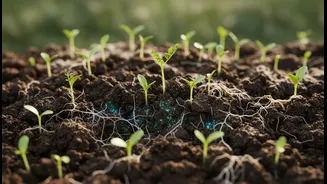
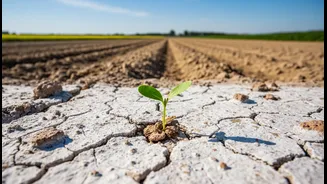
One of the core pillars of nature-based farming is regenerative agriculture, which focuses on rebuilding soil health. Decades of intensive farming have, in some areas, depleted soil organic carbon and essential nutrients. Regenerative practices aim to reverse this by using techniques like cover cropping, reduced tillage, and applying natural inputs such as compost and fermented microbial solutions like Jeevamruth. Research highlights that these methods can increase soil's capacity to hold water, improve nutrient cycling, and sequester carbon from the atmosphere, turning farms into climate solutions. A study in Nature Sustainability found that regenerative practices can improve crop yields and increase farmer incomes, especially when adapted to local conditions.
Farming with Trees: The Agroforestry Advantage
Agroforestry, the practice of integrating trees and shrubs with crops or livestock, is another scientifically-backed solution gaining prominence. Research shows that this approach delivers a host of benefits. Trees on farmland help prevent soil erosion, improve water retention, and enhance biodiversity by creating habitats for pollinators and other beneficial insects. A key study noted that agroforestry can reduce soil erosion by up to 77% compared to maize monocropping. For farmers, it also means diversified income. By planting fruit, timber, or medicinal trees alongside their primary crops, they create new, long-term revenue streams, making their livelihoods more resilient to market fluctuations and climate shocks.
Beyond Chemicals: Integrated Pest Management
The overuse of chemical pesticides is a major concern, leading to pest resistance, environmental pollution, and health risks. Integrated Pest Management (IPM) offers a smarter, nature-based alternative that India has been developing for decades. IPM combines various strategies, including conserving natural pest enemies, using pest-resistant crop varieties, and monitoring pest levels to apply targeted interventions only when necessary. This reduces the blanket use of harmful chemicals. Studies have shown IPM can reduce pesticide sprays significantly—by 50-100% in rice and up to 50% in cotton—while increasing yields by an average of 20% and lowering production costs.
The Economic Case for Going Green
A crucial finding from recent research is that nature-based solutions are not just ecologically sound, but also economically viable. By reducing the need for expensive synthetic fertilisers and pesticides, farmers can lower their input costs significantly. The Indian Council of Agricultural Research (ICAR) found that organic farming can decrease input costs by up to 25%. While there can be transitional challenges, studies show that in the long run, these practices lead to higher net returns due to lower costs, premium prices for organic produce, and improved soil productivity. As both domestic and international markets for sustainably produced food grow, these farming methods represent a pathway to greater profitability and long-term security for India's farmers.