
The Allure of the Off-Season
While many travellers flock to Kerala between September and March, the monsoon season from June to September offers a unique charm. This is the official 'off-season', a time when the state transforms into a lush, green paradise. The rains breathe life
into the landscapes, waterfalls roar, and the backwaters swell with a quiet grace. Beyond the scenery, the practical benefits are compelling: fewer tourists mean more privacy and a peaceful atmosphere. Accommodation and travel costs can drop significantly, with some resorts offering discounts of up to 40-60%. Furthermore, Ayurvedic practitioners believe the monsoon is the ideal time for rejuvenation treatments, as the moist, cool air helps the body respond better to therapies.
Bekal: Historical Grandeur Meets Coastal Calm
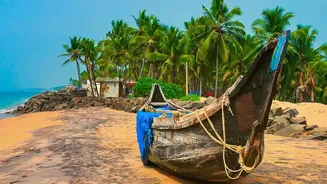
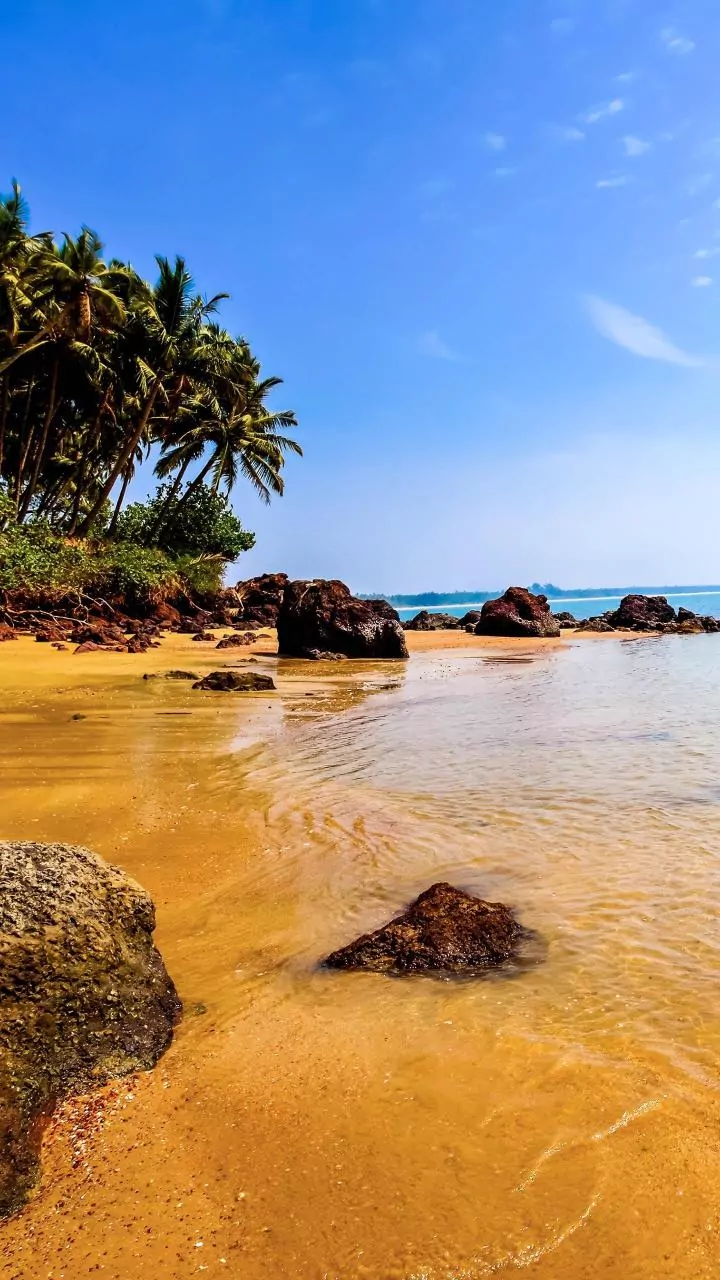
Located in the northern Kasaragod district, Bekal is for the traveller seeking history, nature, and profound tranquillity. Its crown jewel is the magnificent Bekal Fort, the largest and most well-preserved fort in Kerala. The 17th-century structure offers breathtaking panoramic views of the Arabian Sea from its observation towers. Unlike more commercialized beach towns, Bekal's beaches, such as Kappil Beach and the main Bekal Beach, are clean, serene, and uncrowded. Here, the pace is slow. Days can be spent exploring the fort's historic walls, taking a quiet houseboat cruise on the Valiyaparamba backwaters, or simply watching the sunset over the ocean. It’s an escape suited for history buffs, families, and anyone looking to disconnect and immerse themselves in a quiet coastal landscape.
Varkala: Bohemian Cliffs and Spiritual Vibes
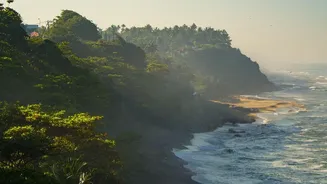
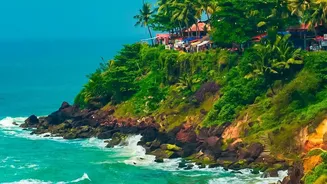
Further south, near Thiruvananthapuram, Varkala offers a completely different, more bohemian energy. Its most defining feature is the stunning series of red laterite cliffs that run adjacent to the Arabian Sea—a unique geological formation in Kerala. The main Papanasam Beach, believed to wash away sins, sits at the bottom of these cliffs. The North Cliff is a bustling hub of activity, lined with yoga studios, surf schools, handicraft shops, and an eclectic mix of cafes offering global cuisine with stunning sea views. Varkala attracts a younger, more social crowd, including backpackers and wellness seekers. The town is also a significant pilgrimage site, home to the 2,000-year-old Janardanaswamy Temple and the Sivagiri Mutt, adding a spiritual dimension to its laid-back beach vibe.
Choosing Your Eco-Conscious Stay
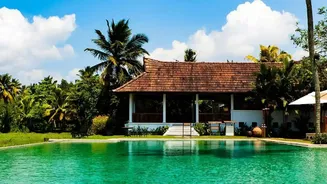
Both Bekal and Varkala are seeing a rise in eco-resorts that prioritize sustainability without sacrificing comfort. These establishments often focus on blending with their natural surroundings, using local materials for construction, practicing rainwater harvesting, and cultivating organic gardens for their kitchens. In Bekal, luxury properties like the Taj Bekal and Gateway Bekal are spread across lush acres, offering experiences that integrate the local culture and serene backwaters. In Varkala, you'll find a range of boutique resorts and wellness-focused stays like The Eco Resort and Sandra Eco, which offer tranquil gardens, yoga classes, and easy access to the beach, often with a commitment to minimizing their environmental footprint. These resorts provide a way to enjoy Kerala's beauty responsibly.
Making the Choice: Bekal or Varkala?
Your decision ultimately comes down to the kind of escape you're looking for. If your ideal vacation involves exploring historic forts, enjoying quiet family time, and experiencing the serenity of expansive, untouched nature, Bekal is your destination. Its atmosphere is one of peaceful retreat and historical reflection. However, if you prefer a more vibrant, social scene with a spiritual and wellness-oriented undertone, Varkala is the better fit. Its dramatic cliffside setting, lively cafes, and opportunities for yoga and surfing offer a more dynamic, but still relaxed, beach experience. Whichever you choose, travelling during the off-season ensures you experience it at its most authentic and budget-friendly.