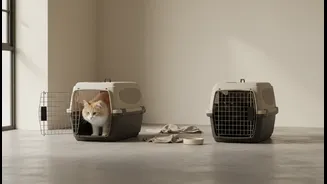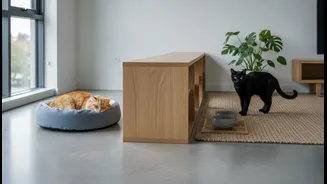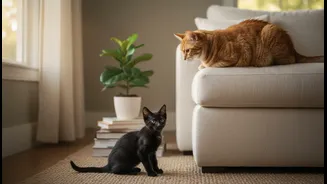




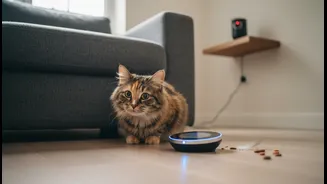


Step 1: Create a Separate 'Base Camp'
Before your new cat even meets your resident cat, they need their own secure space. This 'base camp' should be a separate room with a closed door. Equip it with everything the new cat needs: a litter box, food and water bowls, a comfortable bed, and toys.
This isolation serves two purposes. First, it gives the new arrival, who may be stressed from their past experiences and the move, a quiet place to decompress and acclimate to the new sounds and smells of your home. Second, it allows your resident cat to get used to the idea of another cat's presence from a safe distance, preventing initial face-to-face confrontations that can lead to lasting fear and aggression.
Step 2: Start with Scent Swapping
A cat's world is built on scent. Their sense of smell provides vital information about their environment and who is in it. The first 'meeting' between your cats should therefore be through scent, not sight. Take a soft cloth or sock and gently rub it on your new cat’s cheeks and head to collect their pheromones, then do the same for your resident cat with a different cloth. Place the scented cloths in each other's territory for them to investigate on their own terms. You can also swap their bedding or toys. At first, you might see some hissing or avoidance, which is normal. The goal is to continue swapping until the scents no longer provoke a negative reaction and become a familiar part of the background. This makes the other cat’s presence predictable and less threatening.
Step 3: Build Positive Associations Through Food
Once the cats are calm about each other's scents, it's time to create positive associations. The easiest way to do this is by using food. Start feeding both cats near the closed door of the new cat's room. Place their bowls far enough apart that they are aware of the other cat but not stressed. They should be able to eat comfortably. Over several days, gradually move the bowls closer to the door. The goal is for each cat to associate the delicious reward of a meal with the scent of the other cat. This behavioral technique, known as counter-conditioning, helps rewire their response from 'threat' to 'pleasure'. Patience is crucial here; don't rush the process.
Step 4: The First Glimpse
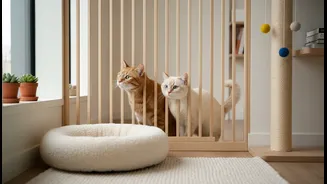
After successful scent and feeding exercises, your cats are ready for their first visual introduction. This must be brief, supervised, and controlled. Use two stacked baby gates, a screen door, or crack the door just enough for them to see each other without being able to make physical contact. Keep these first sessions very short—just a few seconds to start—and fill them with positive reinforcement. Offer high-value treats or engage them in play on their respective sides of the barrier. The aim is for their first sight of each other to be a positive and rewarding experience. Watch their body language closely. If there is any hissing, growling, or flattened ears, calmly end the session and try again later, perhaps taking a step back to scent swapping for a day or two.
Step 5: Supervised Time in a Neutral Space
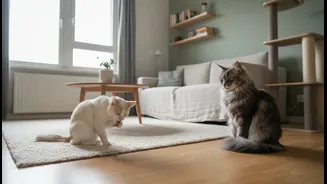
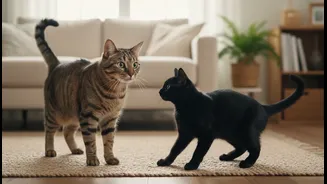
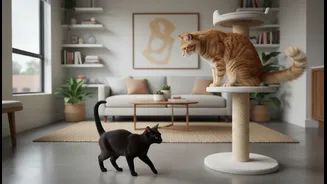
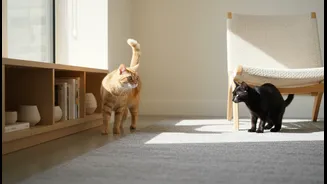
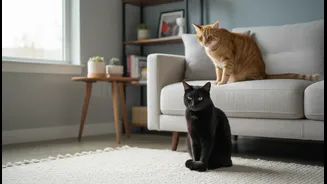
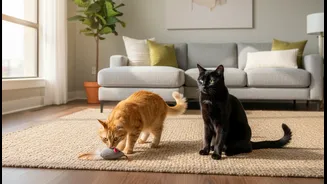
When visual introductions through a barrier are consistently calm, you can allow the cats to share the same space. The first few times should be in a neutral area of the house where neither cat has a strong territorial claim. Keep the sessions short and always supervised. Arm yourself with engaging toys and delicious treats to keep the mood light and positive. Try to initiate a parallel play session, where you play with each cat separately but in the same room. This encourages them to be near each other while focused on a fun activity. Do not force interaction. If tension rises, create a calm distraction to redirect their attention before separating them. Gradually increase the duration of these shared sessions as they become more comfortable and tolerant of each other.
Step 6: Troubleshooting and Supplemental Aids
Setbacks are a normal part of the process. If a fight occurs, never punish the cats. Calmly make a loud noise to distract them, separate them, and give them time to cool down. You will likely need to go back a few steps in the introduction process to rebuild positive feelings. For extra support, consider using a feline pheromone diffuser, such as Feliway. These products release synthetic versions of cat appeasing pheromones, which can help create a calmer environment and reduce stress for both cats, making them feel more secure and less likely to view each other as a threat. If aggression persists or is severe, it is always best to consult a professional, such as a veterinarian or a certified cat behaviorist, for tailored advice.