





What Exactly is 'Fibre Mode'?
This isn't just another fleeting wellness fad. 'Fibre Mode' represents a conscious shift in the Indian way of eating. It's about moving away from an over-reliance on refined grains and towards a diet rich in complex carbohydrates and dietary fibre. The
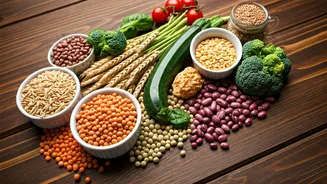
modern Indian plate, increasingly, is making space for ingredients that were either forgotten or seen as secondary. We're talking about the hearty, nutrient-dense foods that keep you full longer and support overall health. This means less polished rice and maida, and more whole wheat, vegetables, legumes, and ancient grains. At its heart, it’s a rebalancing act—prioritising what has always been a part of traditional Indian food wisdom but was recently overshadowed.
The Grand Return of Millets
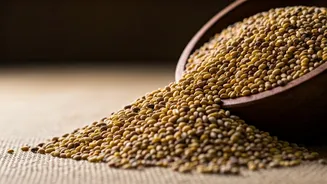
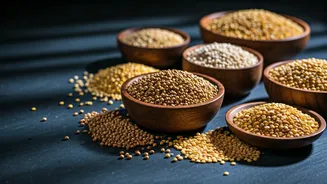
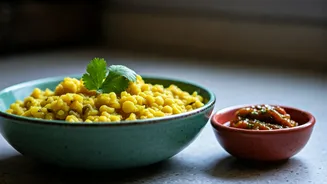
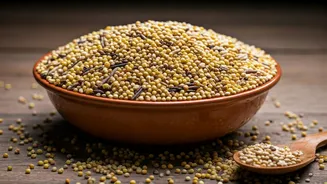
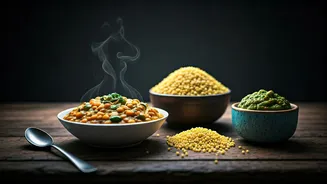
Leading this fibre revolution is the humble millet family—jowar, bajra, and ragi. Once staples across the country, their consumption saw a steep decline over the past few decades. Now, they are making a powerful comeback. Thanks to government initiatives like the National Year of Millets and a push for their inclusion in public distribution systems, awareness is at an all-time high. These 'nutri-cereals' are not only resilient crops perfect for India's climate but are also packed with fibre, protein, and essential minerals. From ragi dosas in the south to bajra rotis in the west, kitchens are re-embracing these grains, not as a compromise, but as a superior nutritional choice.
More Than Just Millets
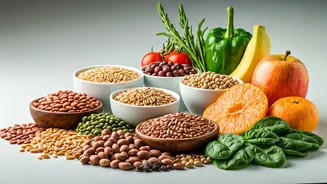
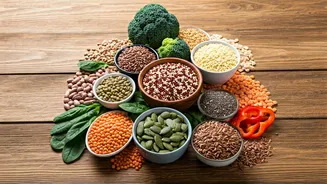
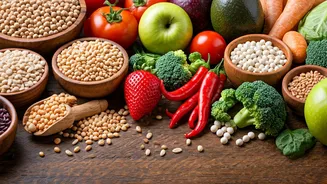
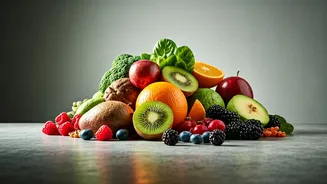
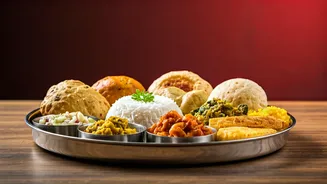
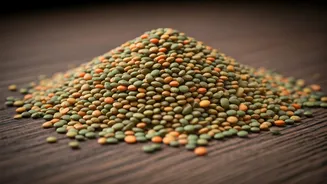
While millets are the stars, the fibre focus extends much further. The supporting cast includes dals and legumes like rajma and chana, which are natural fibre powerhouses. Vegetables, especially fibrous ones like okra, beans, and leafy greens, are no longer just a side dish but a substantial part of the meal. Even global superfoods have found a comfortable spot in the Indian pantry; oats are now a breakfast staple in many homes, often prepared as savoury upma or masala oats. The trend is clear: whether it’s a traditional ingredient or a modern import, if it’s high in fibre, it’s finding its way onto the Indian thali.
The Health Awakening
What's driving this shift? A major factor is a growing health consciousness across the country. With rising rates of lifestyle diseases like diabetes and heart conditions, people are actively looking for dietary solutions. Experts have long highlighted that high-fibre diets help regulate blood sugar, manage weight, and improve digestive health. This message, amplified by nutritionists and health influencers on social media, has found a receptive audience. The pandemic also played a role, accelerating a preference for home-cooked, nutritious meals over processed and fast foods.
Making the Switch, Simply
Jumping into 'Fibre Mode' doesn't require a complete kitchen overhaul. Nutritionists advise a gradual approach to let your body adapt. Start with simple swaps: exchange white rice for brown rice or millets a few times a week, or use whole wheat atta instead of refined flour for your rotis. Aim to fill half your plate with vegetables at every main meal. Snacking on whole fruits like guava and apples (with the skin on) or a handful of roasted chana can also significantly boost your daily fibre intake. The key is to focus on whole, unprocessed foods and to stay hydrated, as fibre needs water to work its magic effectively.