






The Rise of Mindful Indulgence
For years, the foundation of a perfect brownie was refined all-purpose flour, or maida. Prized for its fine texture, it helped create countless batches of gooey, fudgy treats. However, a growing awareness of health and nutrition has led both professional
chefs and home bakers to question this staple. Refined flour is known for its low nutritional value, having been stripped of its fibre and essential nutrients during processing. This can lead to rapid spikes in blood sugar, offering little more than empty calories. In response, a quiet revolution is happening in professional and home kitchens across India, where ancient grains are being rediscovered not as a compromise, but as an upgrade.
Meet the Millet Powerhouses: Jowar and Ragi
Enter sorghum (jowar) and finger millet (ragi). These indigenous grains are nutritional powerhouses compared to their refined counterpart. Both are naturally gluten-free and packed with dietary fibre, which aids digestion and promotes a feeling of fullness. Ragi is celebrated for being a rich source of calcium and iron, while jowar is loaded with protein and antioxidants. By incorporating these flours, chefs are transforming the brownie from a simple sweet treat into a snack that offers sustained energy release and genuine nourishment, all without sacrificing its decadent identity.
More Than Just Healthy: A Flavour and Texture Upgrade
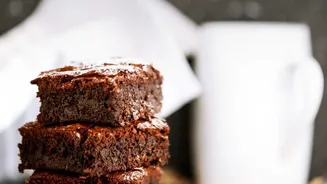
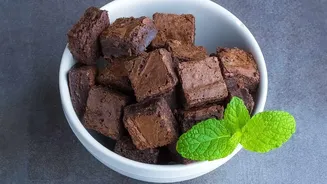
The switch to millet flours is not just a nutritional decision; it is a culinary one. These flours introduce complex flavours and textures that refined flour cannot match. Ragi, with its deep, earthy notes, naturally complements the richness of dark chocolate, creating a brownie with an incredibly satisfying and complex flavour profile. Sorghum flour is milder and has a subtly sweet, nutty taste that adds depth without overpowering the chocolate. Because these flours are gluten-free, they create a denser, fudgier brownie. The final product is often moister and richer, a texture that many brownie lovers actively seek. The slightly coarse grind of millet flours can also add a delightful, rustic crumb.
The Chef’s Secrets to a Perfect Millet Brownie
Baking with millet flours requires a few adjustments, as they behave differently than wheat-based flours. Since they are gluten-free, they lack the protein that provides structure. To compensate, chefs often increase the moisture content in their recipes. This can be achieved by adding an extra egg, a splash of milk or yogurt, or using fruit purees like applesauce or mashed bananas. These additions also help bind the batter together. Many chefs recommend starting with a blend, substituting 25-30% of the refined flour with millet flour and gradually increasing the ratio as you get comfortable. It's also important not to overmix the batter once the dry ingredients are added; a gentle fold is all that is needed to ensure a tender result.
Your First Foray into Millet Baking
For home bakers inspired to try this trend, the key is to start simple. A combination of ragi and jowar flour often yields a balanced result. You can find many recipes that use a 1:1 blend of the two or combine them with a neutral flour like oat or almond flour for a lighter texture. Many modern recipes also swap refined sugar for natural sweeteners like jaggery or dates, which complement the earthy flavours of the millets beautifully. Whether you are making them in a conventional oven or a pressure cooker, remember that millet brownies continue to set as they cool, so resist the urge to slice into them while they are still warm for the cleanest cuts and best texture.