





Botanical Cousins, Kitchen Rivals
It might surprise you to learn that fiery chillies and sweet capsicums (or bell peppers) are, botanically speaking, very closely related. Both belong to the plant genus Capsicum. Think of them as cousins from the same family who developed entirely different
personalities. While they share a common ancestry, centuries of cultivation have pushed them down two distinct culinary paths. One was bred for pungent heat, used as a spice to awaken dishes, while the other was selected for its large, fleshy, and sweet form, treated more like a vegetable. This shared heritage is why you see such a wide variety of shapes and sizes in both categories.
The Science of Sensation: Heat vs. Sweet
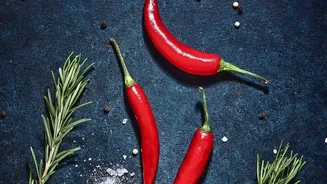
The defining difference between a chilli and a capsicum comes down to a single chemical compound: capsaicin. This powerful substance is what gives chillies their characteristic burning sensation. It primarily concentrates in the white, pithy membrane that holds the seeds, which is why removing the seeds and pith can significantly reduce a chilli's heat. Capsicums, on the other hand, are essentially chilli varieties that have been specifically bred to have little to no capsaicin. This absence allows their natural sweetness and fruitier notes to come to the forefront, giving us the crunchy, mild vegetable we know as Shimla Mirch.
A Guide to Popular Indian Chillies
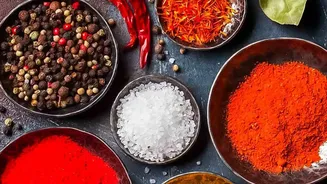
The world of chillies is vast, but a few key players are essential in the Indian vegetarian pantry. Kashmiri chillies are prized not for heat, but for the brilliant red colour they impart to dishes like rogan josh or dum aloo. For a more assertive, all-purpose heat, the Guntur chilli from Andhra Pradesh is a staple across South India, perfect for curries and spice blends. Byadagi chillies from Karnataka offer a deep, wrinkly red appearance and a moderate heat that's more about aroma, making them ideal for sambar and chutneys. For those brave enough, the Bhut Jolokia (Ghost Pepper) from Northeast India offers an intense, smoky heat that must be used with extreme caution.
Decoding the Capsicum Rainbow
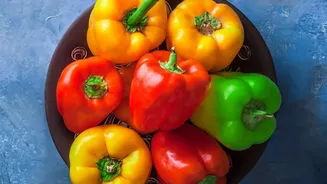
Capsicums, or bell peppers, offer more than just a splash of colour; each shade has a distinct flavour profile. Green capsicums are harvested earliest and have a more bitter, grassy taste, which provides a pleasant bite in stir-fries and sabzis like aloo capsicum. As the capsicum ripens on the vine, it develops more sugars, making yellow, orange, and red varieties progressively sweeter. Yellow and orange capsicums are fruity and mild, excellent raw in salads or gently sautéed. Red capsicums are the sweetest and most mature, with a robust flavour that shines when roasted, grilled, or blended into rich sauces and gravies.
Best Uses in the Vegetarian Kitchen
In practice, these two peppers serve very different functions. Chillies are the soul of a tadka, infusing hot oil with their pungent flavour to be poured over dals and kadhis. They are ground into powders for masalas, pounded into fiery chutneys, and pickled for a spicy condiment. Capsicums, with their satisfying crunch and mild sweetness, are perfect for adding bulk and texture. They are a classic partner for paneer in dishes like paneer tikka and kadai paneer. They are diced for fried rice, stuffed with spiced potato filling for Bharwa Shimla Mirch, and sliced into colourful strips for pizzas and pastas.
Choosing and Storing for Freshness
To get the best out of your peppers, a little care goes a long way. When buying either chillies or capsicums, look for firm, glossy skin without any wrinkles, soft spots, or blemishes. They should feel heavy for their size, which indicates thick, juicy walls. For storage, the refrigerator is your best bet. Keep them in a paper bag or a perforated plastic bag in the vegetable crisper. This will help them stay fresh for about a week or slightly longer. If you have a large batch, both can be chopped and frozen for use in cooked dishes down the line, preserving their flavour for months.