




Bottle Gourd (Lauki/Doodhi): The Hydrating Hero
Often considered a humble vegetable, bottle gourd is a star during the monsoon. With its high water content, it's incredibly hydrating, light on the stomach, and easy to digest, making it perfect for the humid season. Since many households avoid onion
and garlic during Shravan, lauki's ability to absorb flavours from simple spices like cumin, green chillies, and ginger makes it a versatile choice. A simple lauki sabzi, cooked with rock salt (sendha namak) and a dollop of ghee, is a classic comfort food. You can also grate it to make a simple and delicious lauki kheer for a light dessert or turn it into a comforting soup for a light evening meal.
Gourds Galore: Ridge Gourd and Ivy Gourd
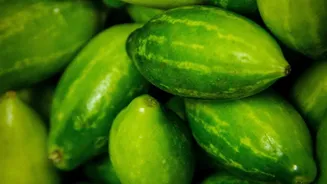
The gourd family truly shines during the rains. Ridge gourd (turai) and ivy gourd (tondali or tendli) are other monsoon essentials. Tondali, a classic in Maharashtrian Shravan cooking, is rich in Vitamin C and iron and cooks beautifully with just a simple tempering of mustard seeds and curry leaves. Ridge gourd is equally versatile and can be turned into a simple sabzi or even a flavorful chutney. Both vegetables are known for being easy on the digestive system, a key consideration in Ayurveda during the monsoon when digestion is believed to be weaker.
Root Vegetables: Potatoes and Sweet Potatoes
Potatoes (aloo) and sweet potatoes (ratalu/shakarkandi) are the backbone of many fasting menus for a reason. They are filling, energy-boosting, and incredibly versatile. A simple jeera aloo made with boiled potatoes, cumin seeds, and green chillies is a quick and satisfying meal that pairs well with vrat-friendly flours like buckwheat (kuttu) or amaranth (rajgira). Sweet potatoes can be boiled and made into a chaat with rock salt and lemon juice, or pan-fried in ghee to make crisp, sweet slices known as 'ratalyache kaap'. They can also be mashed and shaped into tikkis for a delightful snack.
Amaranth Leaves (Rajgira Bhaji): The Iron Powerhouse
While some traditions advise caution with leafy greens during monsoon due to pests, amaranth leaves are a noteworthy exception and are considered a Shravan staple. Known as 'rajgira bhaji', these greens are an excellent source of iron, calcium, and Vitamin C. This is particularly important when a vegetarian diet is followed. A quick stir-fry with a sprinkle of fresh coconut is a popular preparation that takes just a few minutes. The flour from amaranth seeds (rajgira atta) is also widely used to make parathas and puris.
Pumpkin (Kaddu): Sweet and Savoury Star
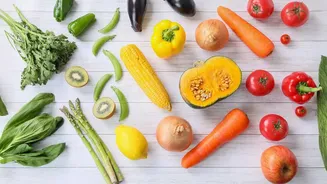
Pumpkin, with its subtle sweetness and creamy texture, is another vegetable that shines in Shravan cooking. It's a permitted vegetable for fasting and can be adapted for both sweet and savoury dishes. A simple pumpkin sabzi, cooked with cumin, green chillies, and a hint of rock salt, is a quick and delicious option. For a different take, you can combine its natural sweetness with the creaminess of coconut milk or grated coconut. Given its nutrient profile, it's a great addition to maintain energy levels during the holy month.
Corn (Bhutta): The Monsoon Snack
The sight and smell of roasted corn on the cob is synonymous with the Indian monsoon. While often enjoyed as a street-side snack, corn is a vegetable that can easily be incorporated into home cooking. It's rich in fibre and essential minerals. You can boil the kernels and add them to a simple salad with cucumber and tomatoes, or lightly sauté them with minimal spices for a quick and filling side dish. It’s a simple way to bring the taste of the season right to your dining table.