





A New Chapter for Indian Railways
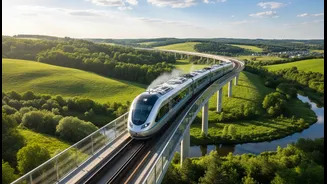
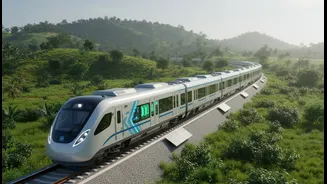
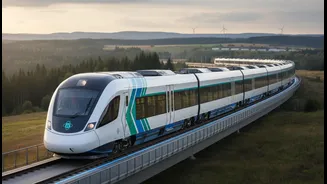
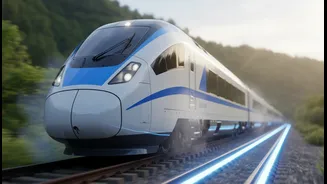
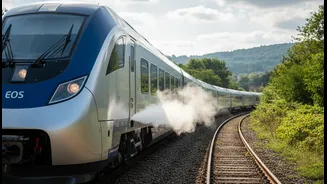
Indian Railways is preparing to launch the country's first hydrogen-powered passenger train on July 17, 2026. Prime Minister Narendra Modi is scheduled to flag off the inaugural service, which will operate on the approximately 90-kilometre Jind-Sonipat
route in Haryana. This 10-coach train, developed indigenously, represents a significant achievement under the 'Make in India' initiative and a pivotal step in the country's Green Transport Mission. After successful high-speed trials where the train reached 120 km/h, it is approved for commercial operation at a maximum speed of 75 km/h. The launch marks India's entry into a select group of nations exploring hydrogen rail technology, positioning it as a serious player in the future of sustainable mobility.
How Do Hydrogen Trains Work?
At its core, a hydrogen train is an electric train that carries its own power source. Instead of drawing electricity from overhead lines, it uses onboard hydrogen fuel cells. In these cells, stored hydrogen reacts with oxygen taken from the air in an electrochemical process. This reaction generates electricity, which powers the train's motors. The only byproducts of this process are heat and water vapour, making it a zero-emission mode of transport at the point of use. The electricity can also be stored in batteries to provide extra power when needed, making the system highly efficient. This technology allows trains to run on non-electrified routes without producing the harmful emissions associated with diesel engines.
The 'Hydrogen for Heritage' Vision
The Jind-Sonipat pilot is just the beginning. The government's broader strategy is encapsulated in the 'Hydrogen for Heritage' initiative. This plan involves deploying 35 hydrogen-powered trains on India's iconic heritage and hill routes, such as the Kalka-Shimla line. Many of these scenic routes are narrow-gauge and pass through difficult terrain, making electrification challenging and costly. Using hydrogen trains on these UNESCO World Heritage sites serves a dual purpose: it preserves their unique charm, which could be compromised by overhead electric lines, while simultaneously eliminating diesel pollution in ecologically sensitive areas. It's a forward-thinking approach to modernise tourism and transport without sacrificing history.
The Clean and Green Advantage
The primary benefit of hydrogen trains is environmental. By emitting only water, they drastically reduce air pollution and greenhouse gas emissions compared to diesel locomotives. This aligns perfectly with India's long-term goal of achieving net-zero emissions. Beyond cleaner air, these trains offer a quieter ride, reducing noise pollution along railway lines. On a strategic level, transitioning to green hydrogen—produced using renewable energy—reduces India's dependence on imported diesel fuel, contributing to energy security and saving on foreign exchange. The successful operation of these trains can create a positive feedback loop, encouraging further investment in the country's green hydrogen production ecosystem under the National Green Hydrogen Mission.
Challenges on the Track Ahead
Despite the promise, the path to a hydrogen-powered rail network is not without its obstacles. The most significant hurdle is cost. A single hydrogen trainset is estimated to cost around ₹80 crore, with significant additional investment required for ground infrastructure like hydrogen production and refueling stations. Currently, the cost of green hydrogen remains much higher than diesel or electricity, making the economic viability a key concern. For the technology to be adopted widely, the cost of green hydrogen must decrease substantially, which is a key goal of the National Green Hydrogen Mission. Furthermore, establishing a widespread and safe network for hydrogen storage and distribution is a major logistical challenge that will require substantial public and private investment.