





Understanding Monsoon Dampness
The primary culprit behind that damp feeling is not just the rain outside, but the high humidity it brings. Humidity is the measure of moisture content in the air. During the monsoon, the air is saturated with water vapour. When this warm, moist air enters
your cooler home, it comes into contact with surfaces like walls, floors, and windows. This causes the water vapour to condense into liquid, leaving everything feeling wet to the touch. Porous materials like brick, plaster, and wood are particularly good at absorbing this moisture, leading to persistent dampness and a musty smell that can linger for weeks.
Where Moisture Hides in Your Home
Beyond the general humidity, specific issues can worsen the problem significantly. Inadequate ventilation is a major factor; without a way for moist air to escape, it remains trapped inside. Look for common entry points for water, such as minor leaks in the roof, cracks in the walls, or poorly sealed window frames. Everyday activities also contribute more moisture than you might think. Cooking, boiling water, taking hot showers, and even drying clothes indoors all release significant amounts of steam and humidity into your living space, compounding the effects of the weather outside.
The First Line of Defence: Ventilation
Before you spend a single rupee, your first step should be to improve air circulation. Trapped, stagnant air is damp air. Make it a habit to open windows and doors on opposite sides of the house for at least 15-30 minutes a day, especially during dry spells or when the rain stops. This practice, known as cross-ventilation, pushes the humid air out and brings fresher, drier air in. Additionally, make regular use of exhaust fans in your kitchen and bathrooms. Run them during and after cooking or showering to expel moist air directly outside before it has a chance to spread through the house.
Natural and Low-Cost Solutions
You can effectively combat moisture using simple items you may already have. Rock salt and charcoal briquettes are excellent natural dehumidifiers. Place a bowl of either in damp corners, cupboards, or rooms to absorb excess moisture from the air; you'll need to replace them as they become saturated. Camphor is another great option, as it not only absorbs moisture but also leaves a pleasant fragrance that helps combat musty odours. For wardrobes and closed spaces, small cloth pouches filled with neem leaves can help prevent the growth of fungus and mildew, thanks to their natural anti-fungal properties.
Adopt Anti-Damp Habits
Small changes to your daily routine can make a big impact. Keep furniture a few inches away from walls to allow air to circulate and prevent moisture from getting trapped. Wipe down condensed water from windows and other smooth surfaces every morning. Avoid drying laundry indoors whenever possible. If you must, hang it in a single, well-ventilated room with a window open or a fan running. When cleaning, use a dry mop for floors instead of a wet one to avoid adding more moisture to the environment. These consistent habits reduce the overall moisture load in your home.
Long-Term Fixes and When to Get Help
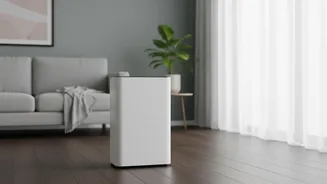
For persistent dampness, you may need to consider more robust solutions. An electric dehumidifier is a highly effective appliance that actively pulls moisture from the air, making a noticeable difference in a room's comfort level. It is also crucial to inspect your home for structural issues. Check for and repair any leaks in the plumbing, roof, or exterior walls, as these are direct sources of water. Applying a coat of waterproof paint or sealant on affected walls can create a barrier against moisture seepage. If you notice significant mould growth, which can pose health risks like allergies and respiratory problems, it is best to consult a professional for safe removal and remediation.