



The Ancient Superfood in Your Kitchen
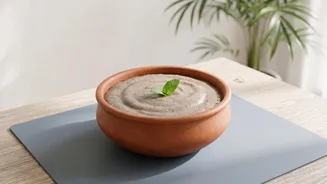
At its heart, pazhanthanji—also known as neeragaram or pazhaya soru—is a testament to culinary wisdom and zero-waste principles. It is simply leftover cooked rice soaked in water, often in an earthen pot, and left to ferment overnight at room temperature.
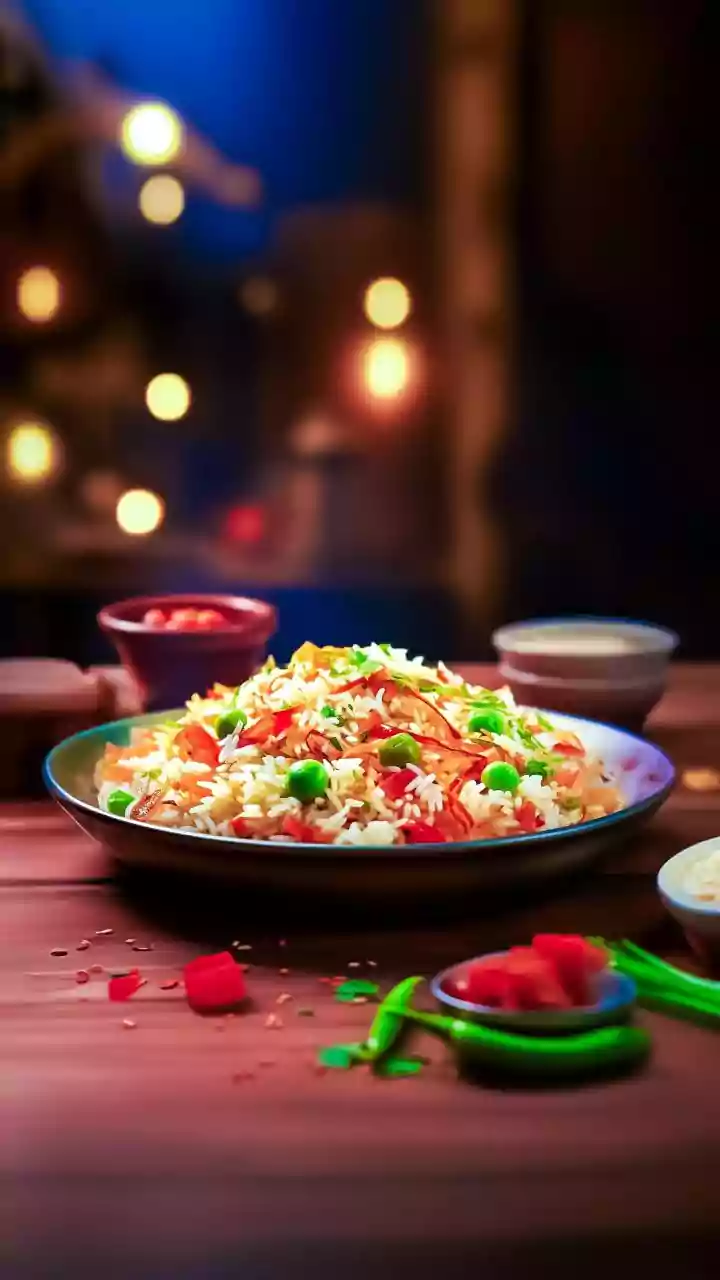
What was once a practical way for farmers to preserve food and get sustained energy for a day of hard labour is now being rediscovered for its profound health benefits. By morning, this simple dish transforms. The fermentation process creates a slightly tangy, cooling porridge that is traditionally mixed with salt, buttermilk, chopped shallots, or green chillies, creating a refreshingly savory breakfast.
A Natural Probiotic Powerhouse
The magic of pazhanthanji lies in its fermentation. This natural process fosters the growth of beneficial lactic acid bacteria, turning the rice into a powerful, natural probiotic. While many people turn to expensive yogurts and kombuchas for gut health, this traditional dish offers a potent alternative. These probiotics are crucial for maintaining a healthy gut microbiome, which can lead to improved digestion, reduced inflammation, and a stronger immune system. Furthermore, fermentation makes the nutrients within the rice more bioavailable. It breaks down anti-nutrients like phytic acid, allowing your body to more easily absorb minerals such as iron, calcium, and magnesium. Some reports even suggest the levels of B vitamins, especially B6 and B12, are enhanced during the process.
Pazhanthanji vs. The Breakfast Smoothie
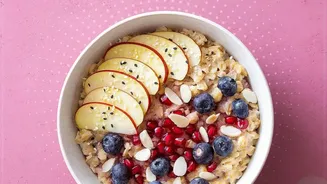
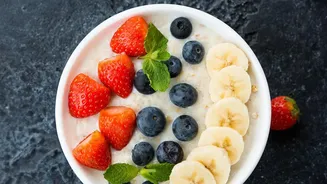
The modern breakfast smoothie has long been the symbol of a healthy start to the day. Often packed with exotic fruits, powders, and nut butters, they promise a quick nutritional hit. However, smoothies can also be high in sugar, lack sufficient fiber if not made correctly, and can be quite expensive. Store-bought versions, in particular, can contain surprisingly high calorie and sugar counts. Pazhanthanji offers a stark contrast. It is incredibly cost-effective, using leftovers that might otherwise be discarded. It is naturally low in sugar and provides easily digestible carbohydrates for sustained energy without the spike and crash associated with sugary drinks. While a smoothie blends ingredients, pazhanthanji transforms them through fermentation, creating a living food that actively supports digestive wellness from the ground up.
More Than a Trend: A Return to Roots
The rising interest in pazhanthanji isn't just about probiotics; it reflects a larger cultural shift. As the global wellness industry becomes more commercialized, many are looking for authenticity and sustainability. There is a growing appreciation for traditional food systems and the time-tested wisdom they hold. In India, this has translated into a movement of going back to the basics—to the kind of food our grandparents ate. This dish connects people to their heritage and offers a more grounded, intuitive approach to health. It stands in opposition to fleeting diet fads, representing a sustainable, accessible, and culturally rich path to wellness that has existed for centuries.
Bringing Pazhanthanji Home
Making pazhanthanji is incredibly simple. Take a portion of cooked rice (brown rice works well) and place it in a clay or glass bowl. Cover it with enough water to submerge it completely. Loosely cover the bowl with a cloth and let it sit on your kitchen counter for 8 to 12 hours. In the morning, the water will be cloudy. Mash the rice lightly with a spoon or your hand. To serve, mix in a pinch of salt and accompaniments of your choice. Finely chopped shallots and green chillies are classic additions, as is a spoonful of curd or buttermilk for extra creaminess and flavour. It's a cooling, hydrating, and deeply nourishing way to begin your day.