






The Great Monsoon Misconception
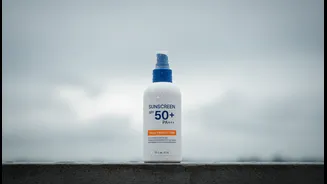
It’s one of the most persistent myths in Indian skincare: if you can’t see the sun, you don’t need sun protection. Every year, as the rains provide relief from the scorching heat, tubes of sunscreen get pushed to the back of the cabinet. People assume
that the thick cloud cover acts as a natural shield, making SPF unnecessary. This is a costly mistake. The cool, damp weather might feel gentle on the skin, but it creates a false sense of security. Up to 80% of the sun’s harmful ultraviolet (UV) radiation can penetrate through clouds, haze, and fog, reaching your skin and causing damage. This exposure contributes to long-term issues like tanning, hyperpigmentation, and premature ageing that don't pause for the rainy season.
Not All Rays Are Created Equal
To understand the risk, you need to know the difference between the two main types of UV rays that reach us: UVA and UVB. Think of UVB as the 'burning' rays; they are more intense in summer, cause immediate sunburn, and are a primary factor in skin cancer. Clouds are fairly effective at blocking a good portion of these UVB rays, which is why you’re less likely to get a painful sunburn on an overcast day. Now, think of UVA as the 'ageing' rays. These have a longer wavelength, allowing them to penetrate deeper into the skin. Crucially, UVA rays can pass through clouds and even glass with ease. They are present with relatively consistent intensity all year round, rain or shine. It is this persistent, silent exposure to UVA that breaks down collagen, leading to wrinkles, and triggers the overproduction of melanin, which results in dark spots and uneven skin tone.
What Your Sunscreen Still Can't Do
This brings us to the core of the issue. While applying a broad-spectrum sunscreen is non-negotiable, it's not an invincible shield. The 'proof' of its effectiveness is complex. Firstly, no sunscreen can block 100% of UV rays. An SPF of 30 blocks about 97% of UVB rays, but the protection level only increases marginally with higher SPFs. Secondly, sunscreen's effectiveness is highly dependent on human behaviour. Most people apply only 20-50% of the recommended amount, drastically reducing the stated SPF protection. Furthermore, sunscreen isn't 'waterproof'; it is only 'water-resistant' for 40 or 80 minutes, meaning sweat and rain during the monsoon require frequent reapplication, ideally every two hours. Finally, a sunscreen's SPF rating primarily measures protection against UVB rays (sunburn). While 'broad-spectrum' products also protect against UVA, the rating systems for UVA (like the PA+ system) are less universally understood. So, while you may not get a sunburn (a visible sign of UVB damage), it's harder to 'prove' the exact degree to which you've been shielded from the silent, long-term ageing effects of UVA rays on any given cloudy day.
A Smarter Monsoon Skincare Strategy
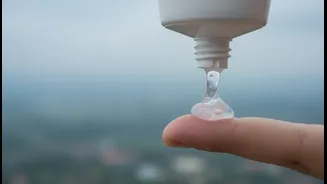
Given the humidity and unique challenges of the monsoon, your approach needs to be both consistent and intelligent. The key is protection and balance. For Indian weather, dermatologists recommend a lightweight, gel-based, or non-comedogenic broad-spectrum sunscreen with an SPF of at least 30. This ensures protection without clogging pores or feeling greasy in the humid air. Application is just as important as the product itself. Apply it generously 15-20 minutes before stepping out and be diligent about reapplying every two to three hours, especially if you've been in the rain or sweating. Sunscreen should be the final step in your morning skincare routine, after cleansing and moisturizing. It’s also wise to supplement sunscreen with other protective measures like using an umbrella or wearing a wide-brimmed hat, as these provide a physical barrier against UV rays.