








The Myth of Absolute Stillness
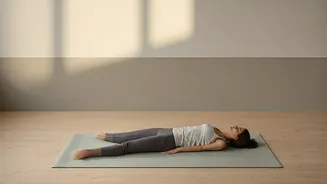
The primary goal of meditation isn't achieving a rigid, motionless posture; it's about cultivating awareness. The practice is designed to help you pay attention to the present moment without judgment. For people who are naturally restless or find it difficult
to quiet their minds in silence, the pressure to remain completely still can be a significant barrier. The good news is that meditation is a flexible practice. Active meditation, which involves movement, is a powerful alternative that allows you to anchor your mind while your body is in motion, providing many of the same benefits as traditional seated practice.
Find Your Focus with Walking Meditation
One of the most accessible forms of active meditation is walking meditation. This practice has roots in Buddhism and transforms a simple walk into an opportunity for mindfulness. Instead of focusing on getting to a destination, you focus on the act of walking itself. Pay attention to the sensation of your feet making contact with the ground, the rhythm of your breath, and the feeling of your muscles moving. You can do this anywhere—in a park, on a city street, or even in a hallway at home. Studies show that walking meditation can reduce anxiety, improve sleep quality, and increase physical activity.
Turn Daily Chores into Mindful Moments
You don't need to set aside extra time to meditate; you can integrate mindfulness into activities you already do. Routine tasks like washing dishes, folding laundry, or preparing a meal can become meditative practices. The key is to engage your senses fully. While washing dishes, for instance, notice the temperature of the water on your hands, the texture of the sponge, and the sound of the running water. By bringing your full attention to these simple, repetitive actions, you pull your mind away from distracting thoughts and anchor it in the present. It's about transforming autopilot activities into moments of focused awareness.
Embrace Mindful Movement and Exercise
If you enjoy more structured physical activity, practices like yoga, tai chi, or qigong are inherently meditative because they link breath with movement. But you can bring mindfulness to almost any form of exercise. Instead of putting in headphones and zoning out during a jog or bike ride, try tuning into your body. Notice your heart rate, the rhythm of your breathing, and the sensation of your muscles working. This approach is not about pushing for performance but about cultivating a deeper connection between your mind and body. Even simple, gentle stretching at your desk can become a form of mindful movement.
Engage Your Creativity and Find Flow
Activities that induce a state of "flow"—where you are fully immersed and energized by a task—can be deeply meditative. Creative pursuits like drawing, painting, playing a musical instrument, or even gardening can help quiet the constant chatter of your mind. When you are lost in a creative process, your focus narrows, and your sense of time can fade. This state of deep engagement is a form of mindfulness. It allows you to be fully present without the pressure of formal meditation, making it a joyful and effective way to find mental clarity and peace.