





Beyond Just Visa-Free Travel
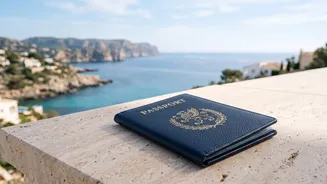
A powerful passport has long been seen as the ultimate key to global mobility. Traditional rankings have reinforced this by creating a simple league table: the more countries a passport holder can enter without a visa, the stronger it is. However, a new
report, the Happy Passports Index 2026, is challenging this narrow definition. Released by advisory firm Global Citizen Solutions, this index suggests that a passport's true value lies not just in travel freedom, but in the quality of life it affords its citizens. By factoring in metrics like life satisfaction, civil liberties, and economic prosperity, the ranking provides a more holistic view of what makes a passport 'powerful'. The result is a list where Nordic countries shine, proving that what happens within a country's borders is just as important as the borders it allows you to cross.
Measuring What Truly Matters
The Happy Passports Index assesses 50 countries based on four equally weighted pillars. The first is 'Wellbeing', which uses data from the World Happiness Report to gauge how residents evaluate their own lives. The second, 'Freedom at Home', measures personal and civil liberties, including freedom of expression and movement. The third pillar is 'Mobility', which functions closer to traditional rankings by assessing the international travel access a passport provides. The final category, 'Prosperity, Health, and Safety', looks at tangible factors like income per person, healthy life expectancy, and levels of peace. By combining these elements, the index creates a comprehensive score that paints a fuller picture of a nation's appeal, arguing that true passport power is a balance of domestic happiness and global access.
Why Finland And The Nordics Excel
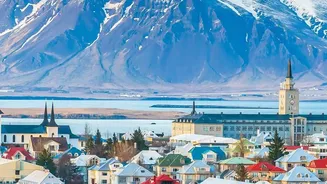
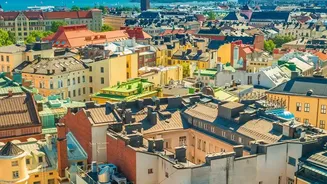
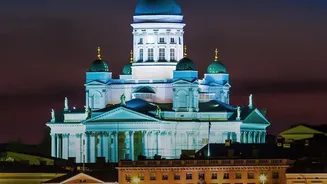
Finland's top position in the 2026 index, with a score of 93.2 out of 100, is no surprise to those familiar with global quality of life surveys. The nation scored exceptionally high on wellbeing and personal freedom, reflecting the high life satisfaction and civil liberties its citizens enjoy. It was followed closely by Iceland, Denmark, and Norway, with European nations dominating the top ten. The success of these Nordic countries underscores the index's core argument: a strong passport is valuable, but its power is magnified when combined with a safe, free, and prosperous society at home. For example, while countries like Portugal and Greece have strong passports in terms of mobility, their residents report lower levels of happiness, which pulls down their overall ranking in this new system. This shows that travel freedom alone does not guarantee a high quality of life.
A New Perspective for Global Citizens
Interestingly, some nations with incredibly powerful passports don't reach the highest ranks of the Happy Passports Index. Singapore, for instance, has one of the strongest passports for mobility and ranks first for prosperity and health. However, its lower scores for wellbeing and freedom at home place it tenth overall, demonstrating that wealth and travel access are only part of the equation. This new perspective is particularly relevant for a global-minded Indian audience. While India was not one of the 50 countries included in this year's index, the framework itself offers a valuable lesson. It suggests that the aspiration for a 'stronger' passport should perhaps evolve. Instead of focusing solely on visa-free destinations, the true goal may be a passport that represents a society offering security, freedom, and a high standard of living—a benchmark for both individuals and the governments that serve them.