



The Classic: Sabudana Khichdi
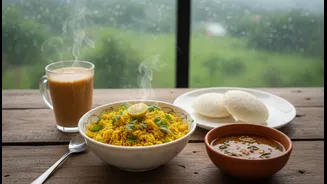
A quintessential fasting dish, Sabudana Khichdi is a light yet filling way to start your day. Made from soaked tapioca pearls, this dish is packed with carbohydrates that provide sustained energy. To prepare, simply sauté soaked sabudana with boiled and
cubed potatoes, roasted peanuts, green chillies, and cumin seeds. A final squeeze of lemon juice adds a refreshing tang. Remember to use sendha namak (rock salt) instead of regular salt to adhere to fasting norms. The key to a non-sticky khichdi lies in soaking the sabudana properly and draining it completely before cooking.
Savoury Pancakes: Kuttu Ka Cheela
For those who prefer a savoury start, Kuttu Ka Cheela, or buckwheat pancake, is an excellent choice. Buckwheat is a 'vrat-friendly' flour and is naturally gluten-free. The batter is simple to make by mixing kuttu ka atta with water, sendha namak, and finely chopped green chillies. You can also add grated potatoes or paneer to the batter for extra texture and nutrition. Cook the cheelas on a non-stick pan with a little ghee until golden brown and serve hot with a side of mint chutney or plain curd.
A Comforting Sweet: Makhana Kheer
If you have a sweet tooth, Makhana Kheer is a comforting and nutritious breakfast option. Makhana, or fox nuts, are low in calories but high in nutrients. To make this kheer, roast the makhana in ghee until they are crisp, then simmer them in milk until they soften. Part of the roasted makhana can be ground to a powder to help thicken the kheer. Sweeten with sugar and flavour it with cardamom powder and saffron for a truly divine breakfast. Garnishing with sliced almonds and pistachios adds a delightful crunch.
Light and Fluffy: Sama Ki Idli
A South Indian favourite gets a fasting-friendly makeover with Sama Ki Idli. Made from sama ke chawal (barnyard millet), these steamed cakes are incredibly light and easy to digest. The millet is soaked and ground, sometimes with a little sabudana, to form a batter. This batter can be fermented or made instantly with the addition of fruit salt. Steamed until fluffy, these idlis are a healthy breakfast that pairs wonderfully with coconut chutney or a simple potato curry made for fasting.
Hearty and Wholesome: Aloo Jeera
Aloo Jeera is a simple, versatile, and satisfying dish that can be enjoyed for breakfast. During Shravan, it's made without onions or garlic. The recipe involves sautéing boiled and cubed potatoes in ghee with a generous amount of cumin seeds (jeera), green chillies, and fresh coriander. It’s a quick-to-make dish that provides comfort and energy. Pair it with Rajgira (amaranth flour) pooris or Kuttu ki poori for a complete and hearty morning meal.
Quick and Refreshing: Fruit Chaat
When you are short on time, nothing beats a refreshing bowl of fruit chaat. It’s the easiest and healthiest breakfast you can assemble. Simply chop up a variety of seasonal fruits like apples, bananas, and pomegranates. Add a sprinkle of sendha namak, a pinch of black pepper, and a squeeze of lemon juice to elevate the flavours. This breakfast is hydrating and packed with vitamins and minerals, ensuring you start your day on a light and energetic note.
Sweet & Tangy: Shakarkandi Ki Chaat
Sweet potato, or shakarkandi, is another excellent food for fasting. A chaat made from it is both delicious and filling. Boil or roast the sweet potatoes until tender, then peel and cut them into cubes. To this, add sendha namak, roasted cumin powder, chaat masala (if your tradition allows), and lemon juice. Garnish with fresh coriander leaves. This simple chaat offers a wonderful balance of sweet and tangy flavours and is a great source of complex carbohydrates to keep you full for longer.