


From Farm-to-Table to Hyper-Local
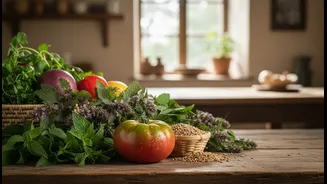
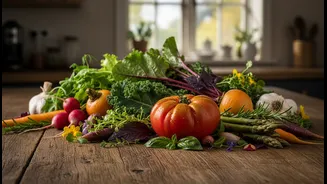
The farm-to-table movement, with its emphasis on fresh, seasonal produce, is a familiar concept. But a deeper, more specific trend is now taking root across India's restaurant scene. It’s a move beyond just 'local' into the realm of 'hyper-local'. This
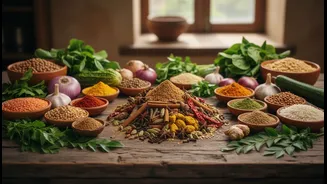
isn't just about sourcing from a nearby farm; it's about celebrating ingredients from a particular village, a specific river basin, or a unique microclimate. Think Mizo chilli, not just any chilli; or Gobindobhog rice from West Bengal, not just any aromatic rice. This movement, dubbed the 'micro-cuisine' wave, is about acknowledging the incredible diversity that changes every few hundred kilometres in India. Chefs are becoming culinary geographers, understanding that the soil, climate, and traditional practices of a specific location—its terroir—lend an ingredient a unique and irreplaceable flavour.
The Power of a GI Tag
At the heart of this trend is the Geographical Indication (GI) tag. A GI tag is a form of intellectual property that certifies a product as originating from a specific geographical location, possessing qualities or a reputation attributable to that origin. Darjeeling Tea was the first Indian product to receive this status, and since then, hundreds of products from Kashmiri Saffron to Bikaneri Bhujia have been recognised. For chefs, a GI tag is a guarantee of authenticity and quality. It provides a direct link to a place and its heritage. When a menu features 'Malihabadi' mangoes or 'Naga' king chilli, it’s not just a descriptor; it’s a promise of a specific taste profile and a story of that region's unique agricultural legacy. This focus helps preserve traditional farming practices and safeguards India's rich culinary heritage from being lost.
Chefs as Curators and Storytellers
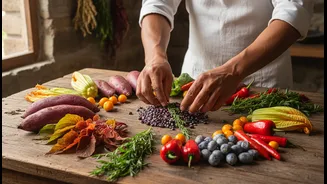
Across the country, pioneering chefs are championing this pin-coded approach. They are moving beyond standardised menus to create dishes that tell a story of a place. By building direct relationships with farmers and producers, they can access unique and high-quality ingredients that were previously confined to local homes and markets. This not only ensures unmatched freshness but also allows them to experiment with heirloom varieties and lesser-known produce. Chefs like Thomas Zacharias, through his platform 'The Locavore', and others are putting a spotlight on indigenous food traditions and making diners more curious about the origins of their food. The menu becomes a map, and every dish is a journey, offering a taste of a specific geography, whether it's a chutney made from red ants from Odisha or dishes using unique Goan chillies.
Technology and Transparency
While tradition is the soul of this movement, modern technology is its backbone. For this hyper-local approach to work, especially in a fine-dining context, traceability is key. Diners are increasingly conscious about where their food comes from, and restaurants are responding. Technologies like blockchain are being explored to provide an immutable record of an ingredient's journey from farm to plate, ensuring authenticity and safety. By scanning a simple code, a diner could theoretically learn about the farmer who grew the turmeric in their curry, the date it was harvested, and its official certifications. This level of transparency builds enormous trust and connects the consumer to the producer in a way that was previously impossible, bridging the gap between urban diners and rural agricultural communities.
A More Conscious Palate
This trend is more than just a novelty; it represents a fundamental shift in how we think about and consume food. By highlighting ingredients from specific pin codes, restaurants are not just offering a meal; they are offering an experience rooted in culture and geography. It fosters a deeper appreciation for the work of farmers and artisans, supports local economies, and promotes biodiversity by creating a market for unique, regional crops. For the diner, it transforms the act of eating into an act of discovery. It encourages a more conscious palate, one that can distinguish the smoky heat of a Naga chilli from the vibrant red of a Goan Khola chilli and appreciate the stories they carry.