



The Allure of 'Natural' Brown
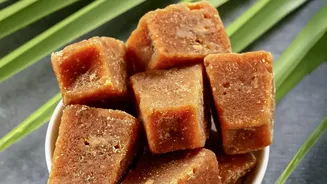
In many Indian households, switching from white sugar to jaggery feels like a clear health upgrade. The logic seems simple: jaggery, or 'gur', is dark and unrefined, while white sugar is bleached and processed. One feels traditional and wholesome; the
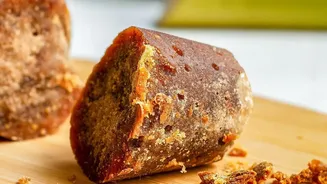
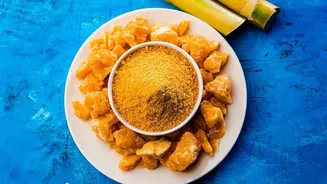
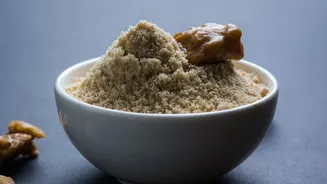
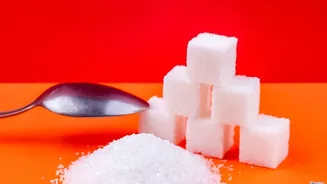
other feels industrial. This perception is rooted in how they are made. Jaggery is produced by simply boiling raw sugarcane juice until it solidifies, a minimal process that retains the natural molasses. White sugar, on the other hand, undergoes extensive refining to remove that molasses, leaving behind pure, white sucrose crystals. The rich, brown colour of jaggery is a direct result of the molasses left in, which is also the source of its purported health benefits.
A Nutritional Showdown
Because jaggery is less processed, it does retain some nutrients that are stripped from white sugar. It contains trace amounts of minerals like iron, potassium, magnesium, and calcium. White sugar is essentially ’empty calories’, offering energy with virtually no other nutritional value. On paper, this makes jaggery look like the clear winner. However, the key question is whether the amount of these minerals is significant. In the typical serving sizes people consume—a teaspoon in tea or a small piece after a meal (around 10-15 grams)—the mineral contribution is quite small. For example, a 10-gram serving of jaggery provides only about 1.1 mg of iron, a fraction of an adult's daily requirement. You would have to eat a very large amount of jaggery, and therefore a lot of sugar, to get a meaningful mineral boost.
The Calorie and Blood Sugar Question
Here is where the health halo around jaggery begins to fade significantly. Calorie-wise, there is almost no difference. 100 grams of jaggery has about 383 calories, while the same amount of white sugar has about 387 calories. Swapping one for the other will not impact weight loss. The biggest surprise for most people is the effect on blood sugar. The Glycemic Index (GI), which measures how quickly a food raises blood glucose, reveals a startling fact. While white sugar has a GI of around 65, the GI of common sugarcane jaggery is often higher, around 84. This means jaggery can cause a faster and sharper spike in blood sugar than white sugar. For this reason, it is not a safe alternative for people with diabetes.
Jaggery's Role in Winter Wellness
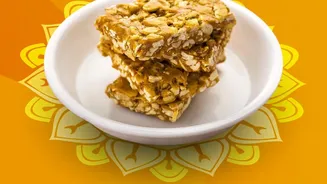
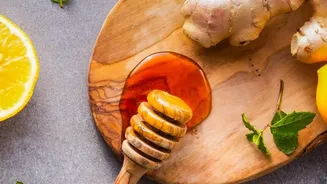
So, why is jaggery so strongly associated with winter health? Ayurveda and traditional wisdom value jaggery for its 'warming' properties ('Ushna Virya'), making it a popular food during colder months to help raise body temperature. It's a staple in winter remedies for coughs and colds, often mixed with ginger or black pepper, as it's believed to help clear the respiratory tract. It's also traditionally eaten after meals to aid digestion by stimulating digestive enzymes. These cultural and Ayurvedic roles are a core part of jaggery's identity. They exist separately from its nutritional profile as a sweetener, and it's important to distinguish between its traditional use as a remedy and its modern use as a sugar substitute.
The Final Verdict
When it comes to your daily sugar intake, the difference between jaggery and white sugar is marginal. Jaggery offers a more complex flavour, with notes of caramel and molasses, and contains trace minerals that white sugar lacks. However, its calorie content is virtually identical, and its impact on blood sugar can be even more severe. The belief that its darker colour makes it a significantly healthier choice is largely a myth. The health advantage is not established by its colour but should be judged by its composition. At its core, jaggery is still a form of sugar. Both are high in sucrose and should be consumed in moderation as part of a balanced diet. The choice between them should ultimately come down to flavour preference and culinary use, not the expectation of a major health benefit.