
A Modern-Day Treasure Hunt
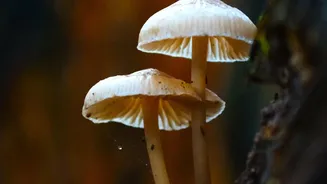
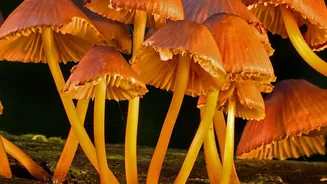
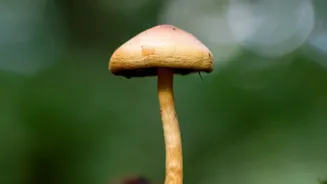
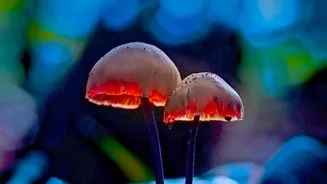
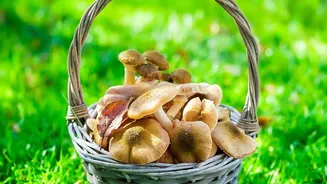
Foraging for mushrooms is more than just a walk in the woods; it’s an immersive treasure hunt. With the onset of the rains, forests in regions like the Western Ghats, Himachal Pradesh, and the Northeast come alive with fungi. Urbanites, in particular,
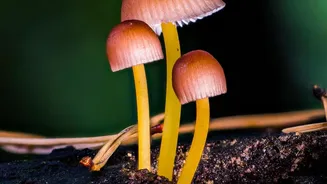
are drawn to this activity as a way to disconnect from their daily routines and engage with the natural world on a primal level. The thrill lies in the search itself—scanning the forest floor, peering under leaves, and finally spotting a cluster of wild mushrooms. It’s an exercise in mindfulness and patience, where the reward is a tangible, edible prize. This search is not random; it is guided by a deep, often ancient, knowledge of the local ecosystem, a skill that has been passed down through generations in indigenous communities.
The Rise of Guided Foraging
While traditionally the domain of tribal communities and rural households, mushroom foraging is now more accessible than ever to beginners. A burgeoning industry of guided walks and workshops has emerged across the country, from city parks in Delhi to the dense forests of Goa and the Parvati Valley. Experts and trained mycologists lead these excursions, teaching participants how to identify different species, understand their habitats, and distinguish edible varieties from their poisonous cousins. These tours not only make the activity safer but also foster a sense of community among enthusiasts. Organisations and eco-tourism companies now offer everything from short, three-hour walks to multi-day trips, blending mushroom identification with a memorable outdoor experience.
A Culinary Adventure
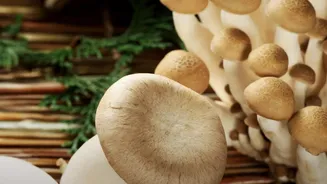
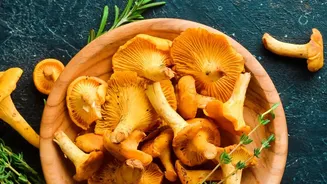
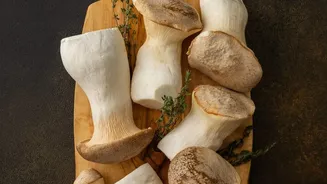
The ultimate allure for many foragers is culinary. Wild mushrooms offer a complexity of flavour and a meaty texture that cultivated varieties like button or oyster mushrooms often lack. During the monsoon, local markets see the arrival of prized catches like the ‘olmi’ of Goa, which grows on termite mounds and cannot be commercially grown, or the ‘rugda’ of Jharkhand, often called ‘vegetarian mutton’. In the Himalayas, the prized Gucchi, or morel mushroom, commands incredibly high prices for its unique, savoury taste. Chefs and a new generation of food lovers are embracing these hyper-local ingredients, incorporating them into tasting menus and rediscovering traditional recipes, from rich coconut-based curries to simple stir-fries that let the mushrooms’ earthy flavour shine.
Foraging with Responsibility and Caution
The growing interest in foraging comes with a critical need for caution. Misidentification is a serious risk, as many edible mushrooms have toxic look-alikes. Some of the deadliest species in the world, like the Death Cap (Amanita phalloides), are found in India and can cause fatal poisoning. Experts and experienced foragers share a common rule: “When in doubt, throw it out.” It is essential never to consume a wild mushroom without 100% positive identification. Even some edible species can cause digestive issues if not cooked properly. The rise in popularity also brings concerns about over-harvesting, which can damage local ecosystems. Responsible foraging means taking only what you need and preserving the environment for future growth.