




Gourds for Easy Digestion
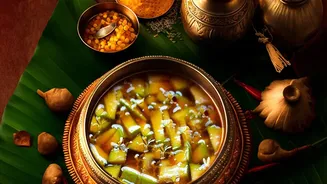
During the monsoon, our digestive fire, or 'agni' as it's known in Ayurveda, tends to weaken. This makes it harder to process heavy foods. Gourds like lauki (bottle gourd), tinda (apple gourd), and parwal (pointed gourd) are your best friends this season.
They are light, packed with water, and easy on the stomach. Rich in dietary fibre, they prevent constipation and bloating, which are common complaints during the rains. Because they are easy to cook and absorb spices well, they can be turned into delicious, simple sabzis or added to dal for a nourishing meal. Always cook them thoroughly to avoid any risk of contamination.
Jamun to Boost Immunity
The Indian blackberry, or jamun, is a classic monsoon fruit for a reason. It is loaded with Vitamin C and powerful antioxidants that help strengthen the body's natural defences against common seasonal infections. Jamun is also beneficial for digestive health, making it an excellent choice for this time of year. Its availability is limited to the season, so it’s a perfect example of nature providing what we need, when we need it. Enjoy it as a whole fruit, but avoid pre-cut versions sold by street vendors to minimise infection risks.
Pomegranate for Vital Nutrients
Another jewel-toned fruit that shines in August is the pomegranate. It is an excellent source of essential vitamins like C and K. More importantly, it is packed with antioxidants that have anti-inflammatory properties, helping to support your immune system when it's most vulnerable. Pomegranates are recommended as a safe and nutritious choice during the monsoon, even during pregnancy, due to their rich nutrient profile. Add the arils to a bowl of curd or simply eat them as a snack.
Ginger and Turmeric: The Power Duo
These humble kitchen spices become superstars during the monsoon. Ginger is a potent anti-inflammatory agent that significantly aids digestion, fights nausea, and helps combat colds and flu. Turmeric contains curcumin, a compound celebrated for its powerful immune-boosting and antiseptic properties. Starting your day with a warm glass of ginger-infused water or ending it with traditional haldi doodh (turmeric milk) can soothe your throat, warm your body, and keep infections at bay. Adding freshly grated ginger and a pinch of turmeric to your daily cooking is one of the simplest steps towards a healthier monsoon.
Corn (Bhutta) for Fibre and Fun
The sight of a bhutta stall is synonymous with the Indian monsoon, and this pairing makes perfect nutritional sense. Corn is a good source of fibre, which aids in maintaining a healthy gut—a cornerstone of strong immunity. It also provides B vitamins and antioxidants. Opting for a roasted or boiled bhutta is a much healthier snack choice compared to deep-fried alternatives like pakoras, which can be heavy on the digestive system. It’s a comforting, enjoyable, and nutritious way to embrace the seasonal spirit.
Moong Dal for Light Protein
Heavy proteins can be difficult for a sluggish monsoon digestive system to handle. Moong dal is the perfect solution. It is one of the most easily digestible lentils, providing essential protein without overburdening your gut. A warm bowl of moong dal soup or a simple khichdi is considered a quintessential comfort food during the rains for this very reason. It is nourishing, light, and provides sustained energy, helping you feel active instead of lethargic on gloomy, rainy days.