






What Exactly Is Zone-2 Cardio?
Forget the 'no pain, no gain' mantra for a moment. Zone-2 cardio is defined by its moderate, steady intensity. It's the level of effort where your heart rate is elevated to roughly 60-70% of its maximum, but you can still hold a conversation without gasping
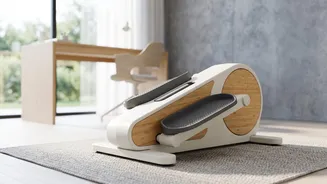
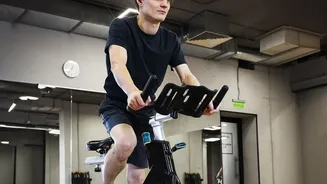
for air. This is often called the 'conversational pace'. If you can speak in full sentences but can't quite belt out a song, you're likely in the sweet spot. Think of a brisk walk where you feel your breathing deepen, a light jog, or a steady pace on a stationary bike or elliptical machine. The key is that the effort feels sustainable and repeatable, not punishing.
The 'Low and Slow' Science of Better Fitness
While it might feel easy, Zone-2 training prompts powerful changes in your body. This intensity level primarily uses fat for fuel, which improves your body's metabolic efficiency. More importantly, it builds your aerobic base. This involves strengthening the heart muscle, improving how your muscles use oxygen, and even increasing the density of mitochondria—the tiny powerhouses inside your cells that produce energy. A strong aerobic base means you have more stamina not just for workouts, but for life in general. It allows your body to handle stress better and recover more quickly from any type of exertion.
The Perfect Antidote to a Sedentary Job
For office workers, the benefits are particularly pronounced. Hours of sitting can lead to stiff joints, poor circulation, and mental fatigue. High-intensity workouts can sometimes add more stress to an already taxed system. Zone-2 cardio, however, is low-impact and gentle on the joints, making it an ideal way to counteract the effects of being sedentary without risking injury. It improves blood flow, which can help reduce muscle soreness and stiffness. Furthermore, because it's not mentally draining, a moderate session can serve as a form of active recovery, helping to clear your head and reduce work-related stress, rather than adding to it.
Why This Habit Is Easier to Stick With
The biggest hurdle for many isn't starting a fitness plan, but sticking with it. This is where Zone-2's psychological advantage shines. Because the workouts feel manageable and even enjoyable, you are less likely to dread them. This lowers the mental barrier to getting started each day. Studies have shown that people generally prefer moderate, continuous exercise over high-intensity intervals. Since the physical demand is lower, recovery is faster and the risk of burnout or overuse injuries is significantly reduced, allowing for greater consistency. Consistency, more than intensity, is the true foundation of a lifelong fitness habit.
How to Get Started Today
Getting into Zone 2 is straightforward. First, you can estimate your maximum heart rate (MHR) with the simple formula: 220 minus your age. Your Zone-2 range will be 60% to 70% of that number. For example, a 40-year-old would have an estimated MHR of 180, making their Zone-2 heart rate between 108 and 126 beats per minute. But you don't need a heart rate monitor to begin; simply use the 'talk test'. Choose an activity like brisk walking, cycling, or swimming, and find a pace where you can comfortably chat. Aim for two to three sessions of 30-45 minutes per week to start, building from there.