



The Arrival of a Purple Rain
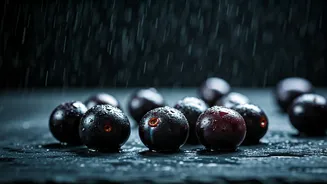
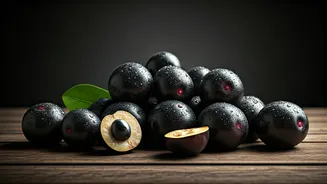
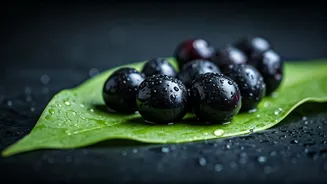
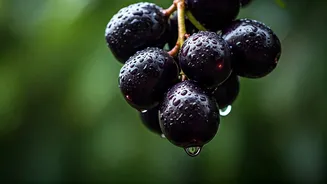
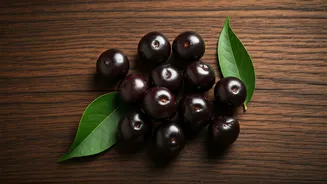
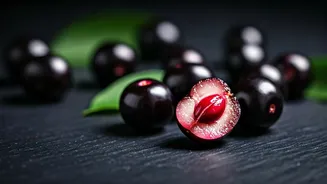
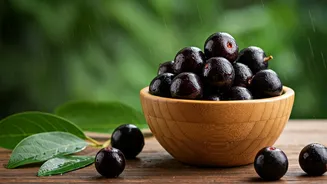
There's an unmistakable poetry to the jamun's arrival. Just as the scorching summer heat gives way to the grey, pregnant clouds of the monsoon, these small, dark jewels begin to populate fruit stalls and vendors' carts. Known scientifically as Syzygium
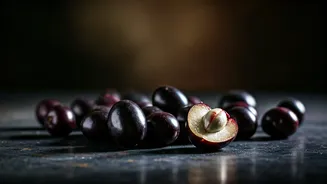
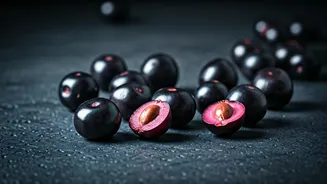
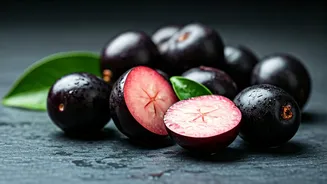
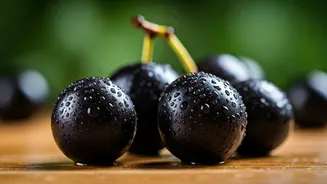
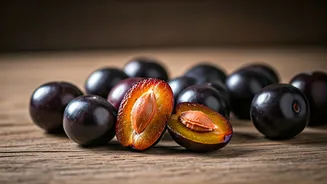
cumini and also called black plum or java plum, the jamun is intrinsically linked to the Indian rainy season. Its deep, almost-black skin and vibrant purple flesh are a stark, beautiful contrast to the lush green landscape that emerges with the rains. For millions, the first taste of jamun—a complex burst of sweet, sour, and astringent notes—is the official flavour of the monsoon's arrival. It’s a fleeting pleasure, a reminder from nature to savour the present moment, as the fruit's season is as short as it is sweet.
A Legacy of Wellness
Long before modern science began analysing fruits for their nutritional content, traditional Indian medicine, particularly Ayurveda, held the jamun in high esteem. Every part of the jamun tree—the fruit, the seeds, the bark, and the leaves—was utilized for its therapeutic properties. The fruit and its seeds are most famously associated with managing blood sugar levels. Traditional wisdom suggests that jamun can help improve insulin sensitivity. The powder of its dried seeds has been a staple in Ayurvedic preparations for diabetes for centuries. Beyond this, jamun is considered a natural coolant, making it perfect for the humid, sticky weather of the monsoon. It's also lauded for its digestive properties, believed to alleviate stomach issues and promote gut health, and its astringent quality is thought to be beneficial for oral hygiene, strengthening teeth and gums.
The Nutritional Powerhouse
Modern nutrition science has validated many of the traditional beliefs surrounding jamun. This small fruit packs a significant nutritional punch. It is an excellent source of antioxidants, particularly anthocyanins, the pigments that give the fruit its deep purple colour. These antioxidants help fight free radicals in the body, reducing oxidative stress and lowering the risk of chronic diseases. Jamun is also rich in Vitamin C, which is crucial for a robust immune system—a welcome benefit during a season known for colds and infections. Furthermore, it is a good source of iron, which helps in the formation of haemoglobin, making it beneficial for people with anaemia. With a high water content and a decent amount of fibre, it aids in hydration and digestion while being relatively low in calories, making it a guilt-free indulgence.
More Than Just a Fruit
The appeal of jamun transcends its health benefits; it is woven into the fabric of Indian culture and nostalgia. It is the taste of childhood for many—of school holidays spent with fingers and tongues stained a tell-tale purple, a badge of honour proudly displayed. It’s the memory of buying a small paper cone of jamun, sprinkled with black salt, from a street vendor after a downpour. This shared experience connects generations. The act of eating jamun is communal and rustic. There's no delicate way to eat it; you embrace the mess, the purple juice that runs down your chin, and the satisfying feeling of a simple, unadulterated pleasure. It is a fruit that has resisted complete commercialisation, retaining its charm as a wild, foraged, and seasonal delicacy.
Savouring the Monsoon Flavour
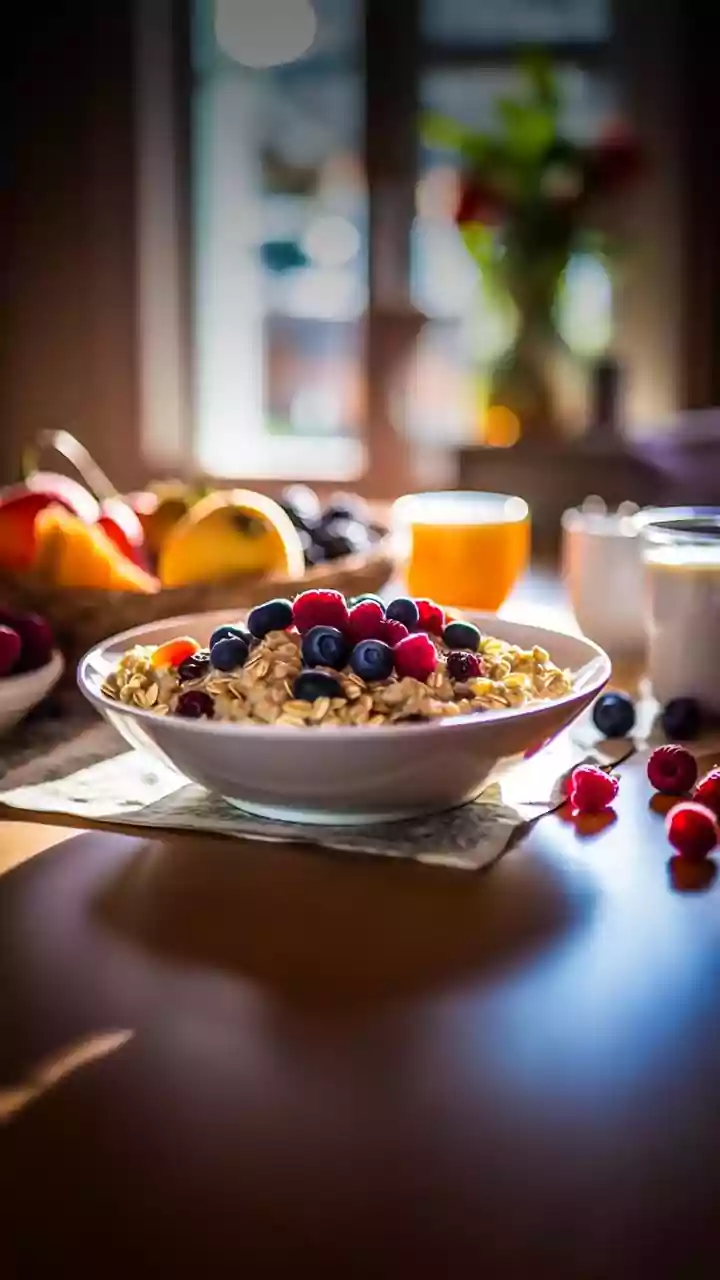
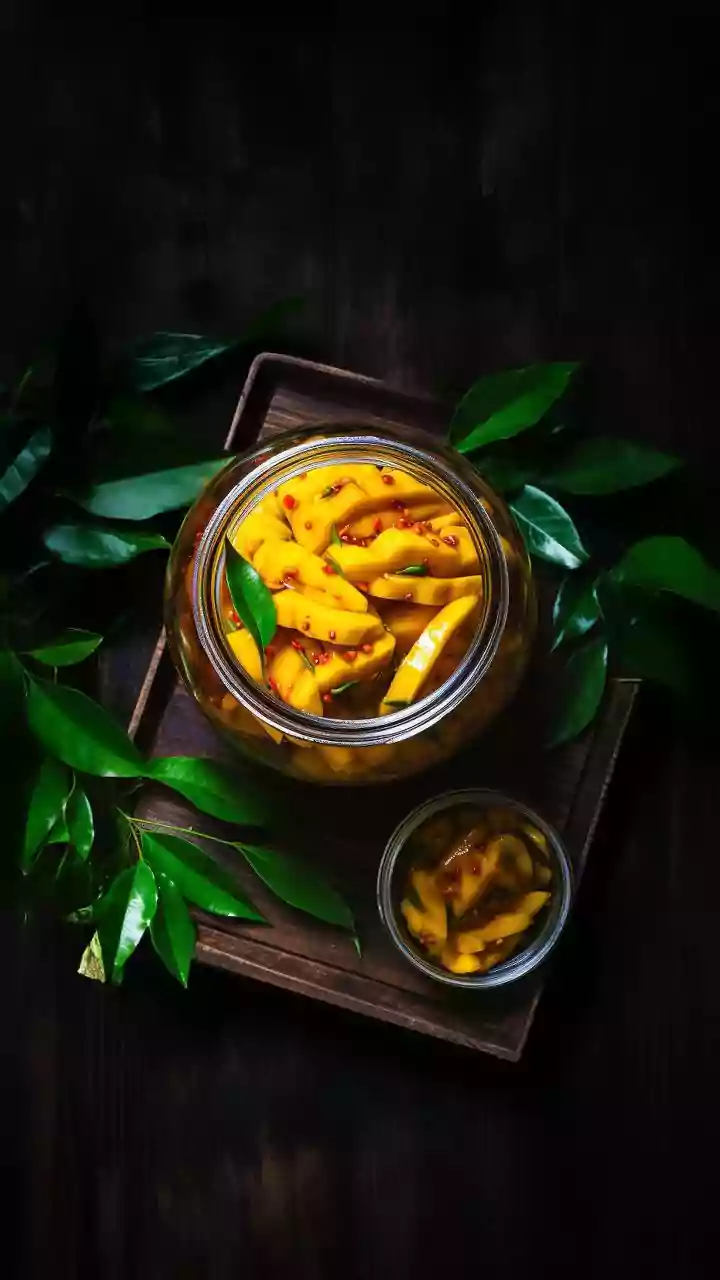
While eating jamun fresh, perhaps with a pinch of rock salt, is the classic way to enjoy it, its unique flavour lends itself to a variety of culinary experiments. You can de-seed and blend the pulp into a refreshing juice or a smoothie. For a cool treat, churn the pulp into a vibrant sorbet or a kulfi. The tartness of the fruit also works beautifully in savoury contexts. A jamun salsa, with chopped onions, coriander, and a hint of chilli, can be a fantastic accompaniment to grilled snacks. Some even make a 'jamun ka sirka' (jamun vinegar) at home, which is prized for its digestive benefits. Experimenting with jamun is a wonderful way to extend its short season and incorporate its unique flavour profile into your monsoon kitchen.