





Plan Ahead, Leave Early
The single most effective strategy for a stress-free monsoon commute is to anticipate delays. Before you even step out, check weather forecasts and traffic updates. Heavy rain can lead to waterlogging and diversions, especially in major cities. Services
like local trains and buses often face disruptions. Leaving 20-30 minutes earlier than usual provides a crucial buffer, reducing the pressure to rush through hazardous conditions. If possible, plan your journey during daylight hours as poor visibility and hidden potholes make night travel riskier. A flexible schedule can be your greatest asset when the weather is unpredictable.
Gear Up: Your Personal Monsoon Kit
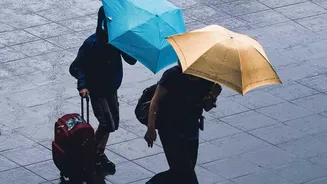
Your everyday bag needs a monsoon upgrade. A sturdy, compact umbrella and a lightweight raincoat or poncho are non-negotiable for protection against downpours. To safeguard your electronics, a waterproof backpack is ideal, but a simple rain cover or even large zip-lock bags for your phone, laptop, and wallet can be lifesavers. Pack a small microfibre towel, which dries quickly and can be used to wipe down yourself or your belongings. It’s also wise to include a power bank, as longer travel times can drain your phone battery, and a hand sanitiser to maintain hygiene after navigating crowded public transport.
Dress for the Drench
Your choice of clothing and footwear is critical for comfort and safety. Opt for quick-drying synthetic fabrics like polyester and nylon over cotton, which stays wet for hours. Keeping an extra shirt and a pair of dry socks at your workplace can make a huge difference to your comfort for the rest of the day. Footwear is paramount; wet platforms and roads are incredibly slippery. Choose shoes or sandals with a good rubber grip to prevent falls. Avoid wearing flip-flops, which offer poor traction, or closed leather shoes that can be ruined by water and take forever to dry.
For Two-Wheeler Warriors
Riding a motorcycle or scooter in the rain requires extra caution. Before the season starts, ensure your vehicle is monsoon-ready. Check that your tyres have sufficient tread depth for better grip on wet roads. Inspect your brakes, as stopping distances nearly double in the rain. Ensure all your lights—headlights, taillights, and indicators—are working for maximum visibility. When on the road, slow down significantly, avoid sudden acceleration or braking, and maintain a much larger following distance from the vehicle ahead. Be extremely wary of potholes, which are often hidden under waterlogged patches.
For Those Behind the Wheel
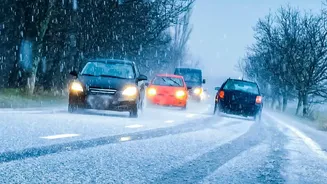
Driving a car in a downpour brings its own set of challenges. Replace worn-out wiper blades before the monsoon begins. Good tyres are crucial to avoid hydroplaning, where a layer of water builds up between the tyres and the road surface, causing a loss of control. Always use your low-beam headlights for visibility, as high beams can reflect off raindrops and worsen your view. Reduce your speed by at least 25-30% and double your usual following distance. Never drive through waterlogged roads if you cannot judge the depth; it may conceal open manholes or stall your vehicle. If your engine does stall in water, do not attempt to restart it, as this can lead to severe and permanent engine damage known as hydrostatic lock.
Stay Healthy on the Go
The monsoon also brings an increased risk of waterborne and fungal infections. Maintaining hygiene is key. Always wash your hands with soap after your commute, and carry a sanitiser for when that's not possible. It’s best to avoid street food, especially items that are uncooked or have been exposed to the elements. Carry your own bottle of boiled or filtered water to stay hydrated and avoid the risk of contaminated drinks. If you get drenched, change out of wet clothes as soon as you can to prevent fungal infections and catching a cold.